
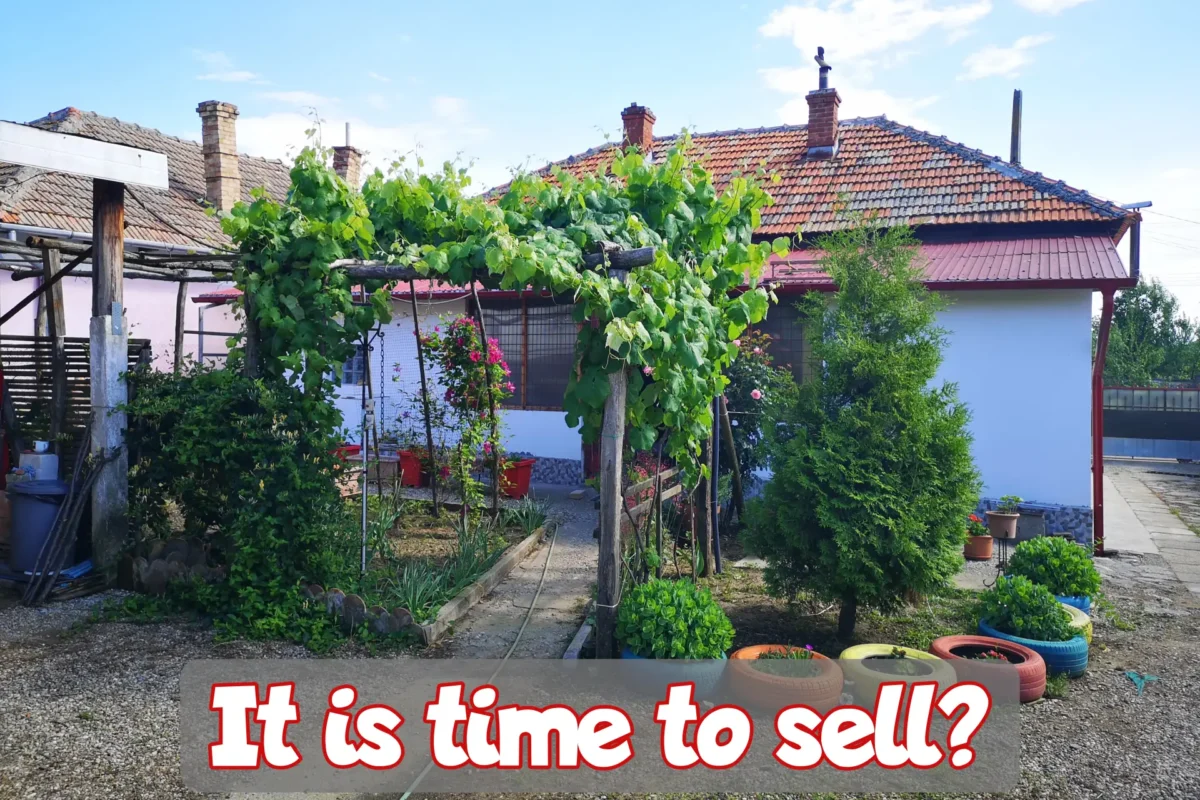
Today, I am writing something personal, perhaps even vulnerable that isn’t strictly about life in Romania, but about life itself. While the main reason for writing this – something I’ve been planning to do for weeks – is to get it all out of my system, I hope reading it might offer something to you as well.
This piece isn’t for everyone. It veers away from the usual topics covered here on the Romania Experience website. It is a long read, and it comes from the heart, not a keyword planner (those don’t work anymore, anyway).
Here is what I will cover, so you can decide if you want to stick around:
- A quick recap and overview of the situation
- The reality of owning a village house as a non-permanent residence
- The budget challenges (and potential wins from selling the house)
- The main reason why I decided not to sell it (for now)
- Other reasons why I’m not selling (with plenty of photos)
A quick recap and overview of the situation
We bought this village house in rural Oltenia back in June 2020. While an idyllic, slow-paced life in the country always attracted me, what actually pushed me to sign the papers was the pandemic.
My family and I had spent months locked in our small apartment in Drobeta Turnu Severin, feeling like we were suffocating, almost losing our minds. The freedom offered by a private backyard, where you could smell fresh air and simply move, felt infinite.
We were fortunate to buy a house that had been lived in and loved. The previous owner took great care of it, and we inherited her hard work: crops already planted and chickens already laying eggs. We lived there full-time from mid-June to late October, and honestly? It was PERFECT.
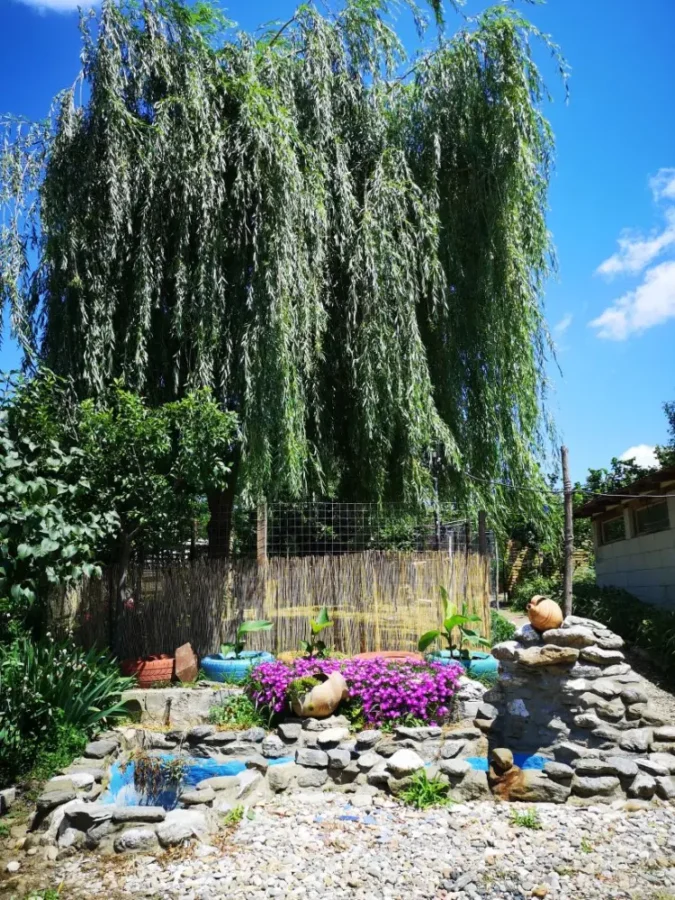
The following year, we started making some necessary improvements (I realize I still owe you an update on those!), but we didn’t spend much time there because we moved to Constanta.
Back then, we considered selling both the apartment and the village house to make our move to the seaside permanent. Fortunately (in hindsight now) we decided to wait one more year to see how we like the city.
And it’s not that we didn’t like it – we LOVED it. Just like the village house during the lockdown, Constanta healed me. I was in a very dark place mentally, and that city helped put me back together and also helped us bond as a family even more.
Unfortunately, we had to leave after just two years. I won’t get too deep into the details here, but the short version is that we were forced due to financial reasons caused by the major shifts in the online world, mainly due to the introduction of AI, which hit my exclusively online business model with drops up to 90% of the income.
Moving back to our apartment in Drobeta Turnu Severin was both a defeat and a life raft – not to mention a challenge. We no longer had rent to pay or expensive private school fees, which was the main reason why we moved (plus the lower cost of living). I also planned to use the village house to grow at least part of our own food and keep costs low.
Everything was going to be okay.
The reality of owning a village house as a non-permanent residence
I won’t lie – despite the hardships and the forced adaptation, everything was OK, overall. But the reality was far from what I expected or planned for.
Focusing entirely on the village house – because that’s the main topic today – reality proved us wrong, starting with a hit while we were already at rock bottom.
A massive storm tore through the village, destroying the area we used as our summer patio and parking spot, as well as the roof of an annex shed. Thankfully, the main house remained mostly intact.
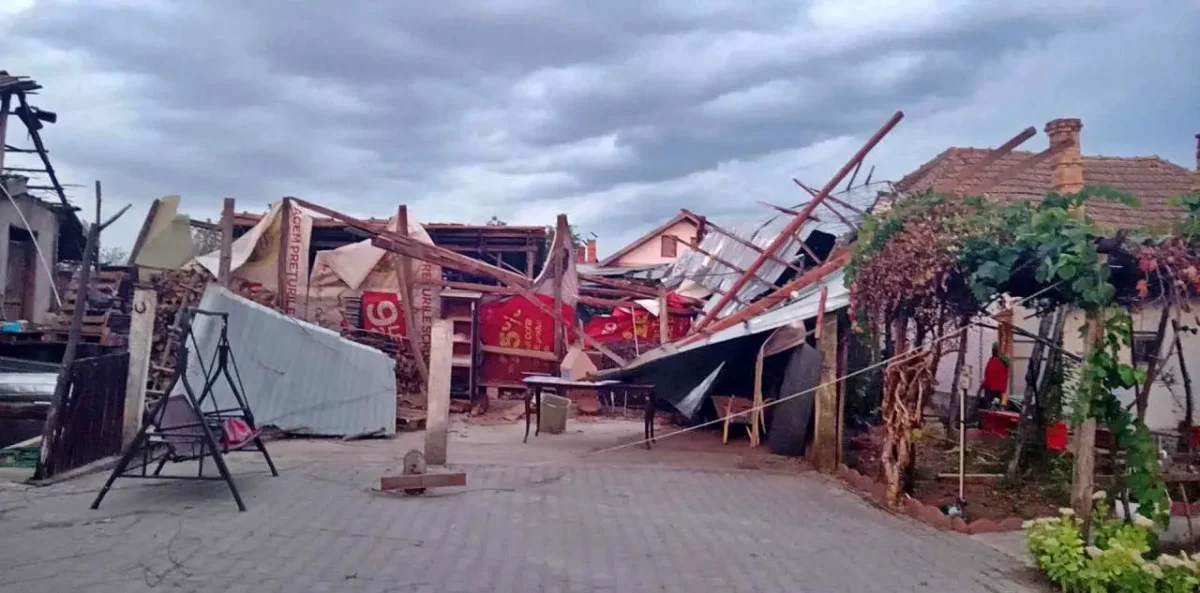
Due to technicalities, the expensive insurance policy I was paying for (specifically for situations like this) covered absolutely nothing. The policy listed the destroyed area as part of the house. In reality, because it was detached, it should have been listed as an annex (or something similar).
I can’t deny my own oversight, but I have to admit I blame the agent because I simply didn’t know the wording she chose was wrong. She had the house plans and she should have known the correct terminology since it was her job.
I don’t think she acted with ill intent, but ignorance proved to be expensive and there was nothing we could do about it.
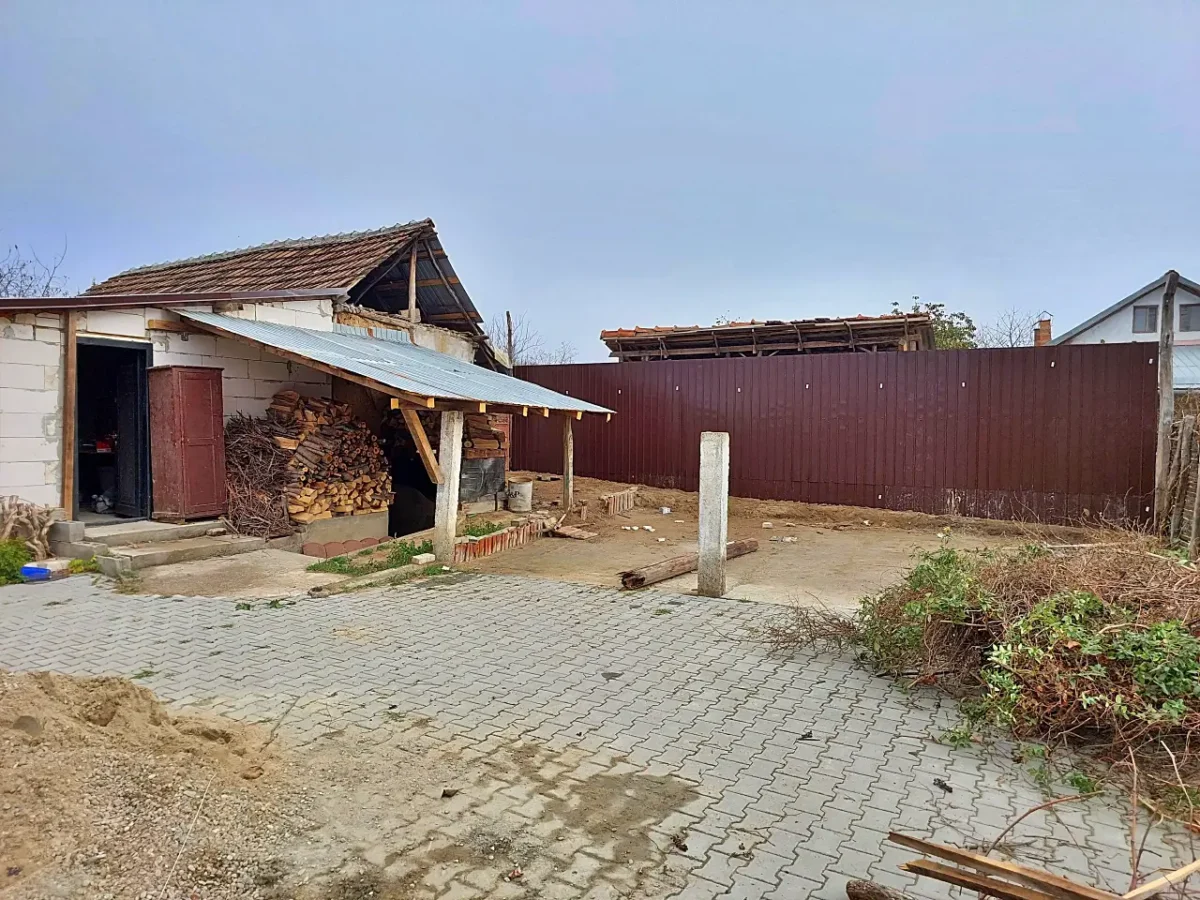
We had to pay for repairs out of pocket, and the costs were shocking. We couldn’t rebuild the patio as it was due to the high costs, but we managed to fix the roof, rebuild the fence between the neighbors and us, and create a small cover for the firewood, as you can see in my photo below:
The biggest problem, however, was inside. The storm tore apart the electrical wiring which was connected to the main house and we were left with just one room that somehow still had power.
Fortunately, it was the kitchen – the room where it was most needed – and we ran extension cords from there to keep things running in the living areas.
To fix this properly, we have to redo the wiring for the entire house. It is a massive expense we knew was coming eventually as the original work was poor, with plenty of additions made as the house evolved, but having it forced upon us made living there a challenge, especially at night, when we had to use flashlights to go to the bathroom. But things could’ve been a lot worse, so I won’t complain.
Apart from these unexpected expenses, which always seem to pop up exactly when you can’t afford them, owning a country house when you don’t live there full-time comes with additional problems – adding to the more general ones I shared in my previous article here:
1. The weather.
I worked like a mule during the spring. I dug, repaired, planted, and hoped for a great harvest. Then, a terrible hailstorm destroyed almost everything.
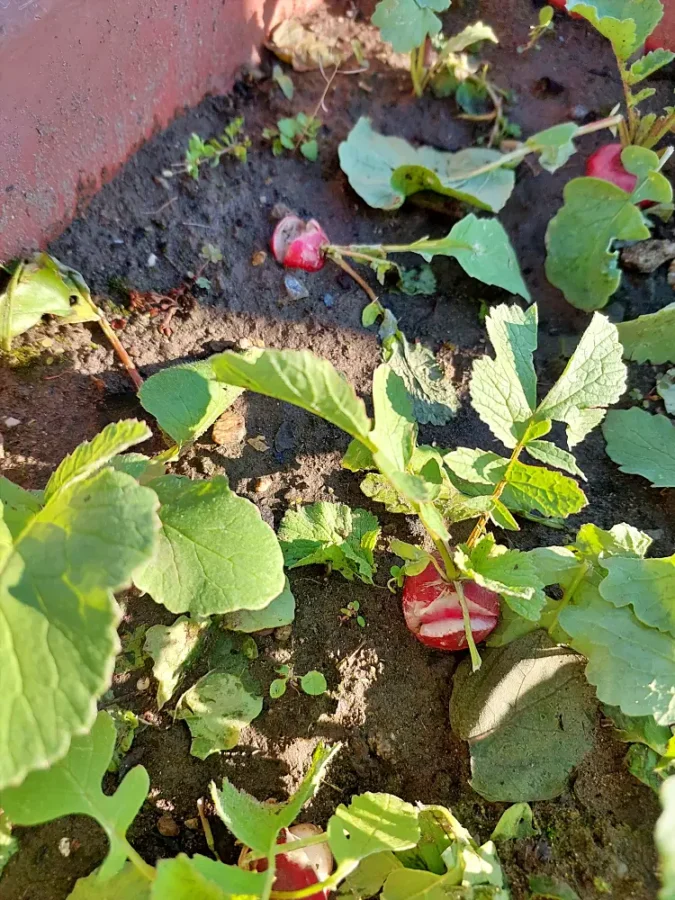
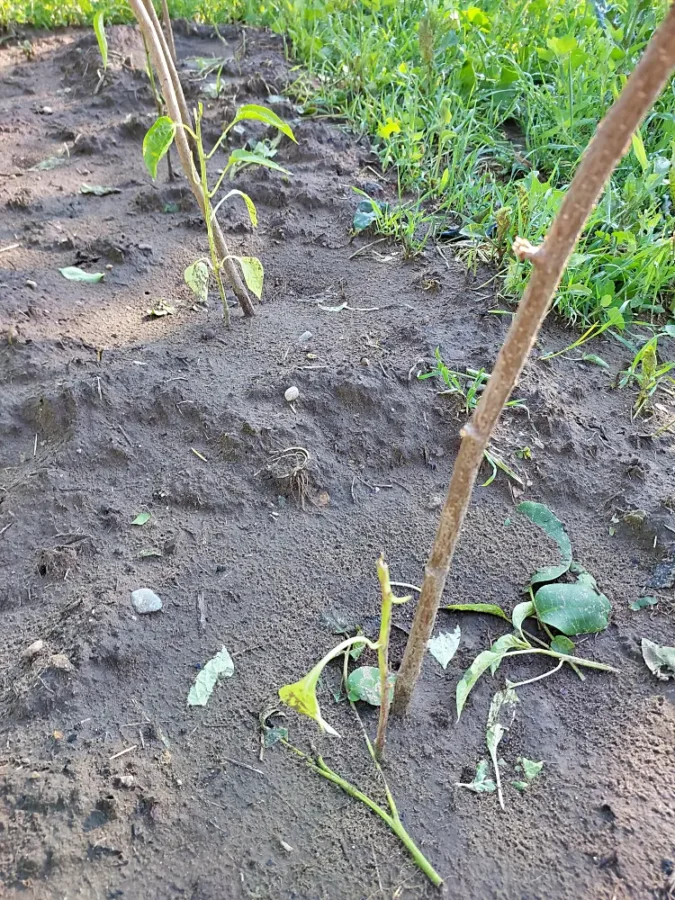
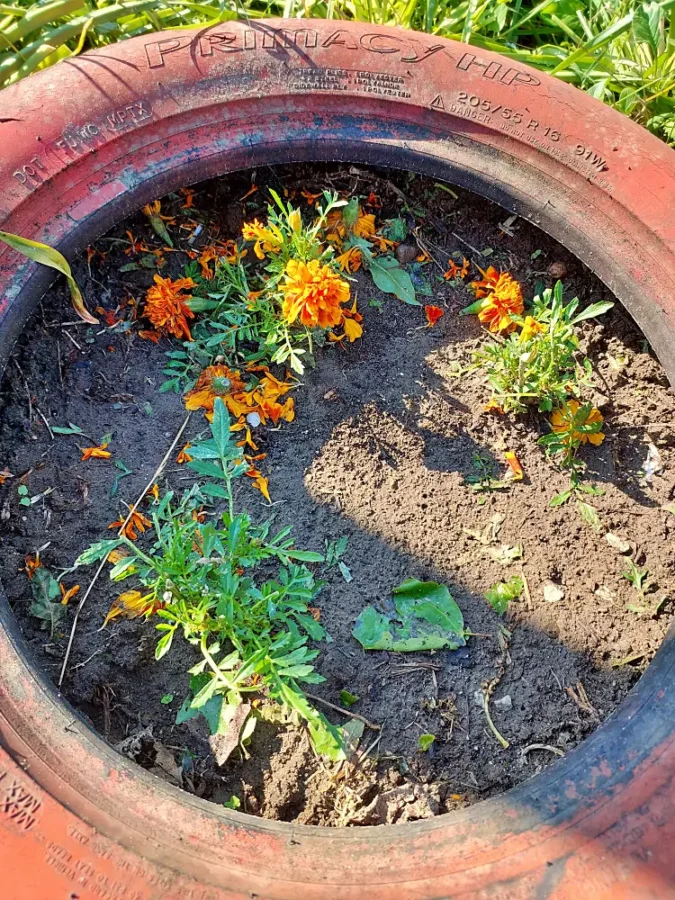
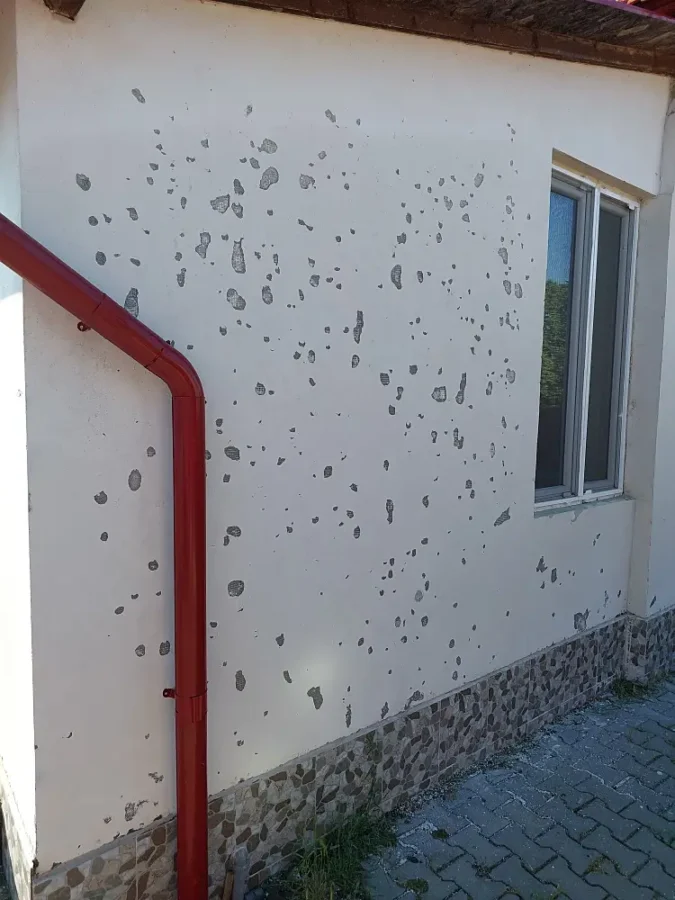
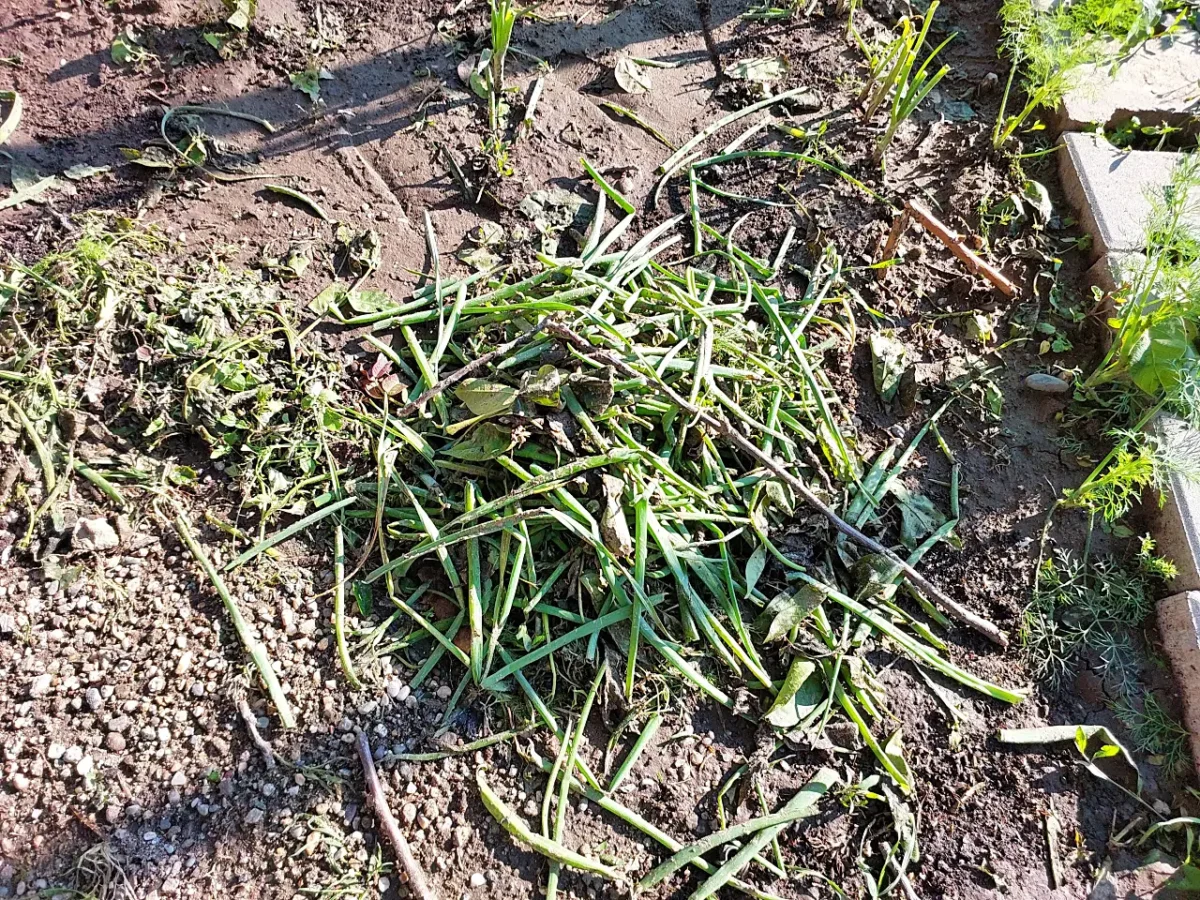
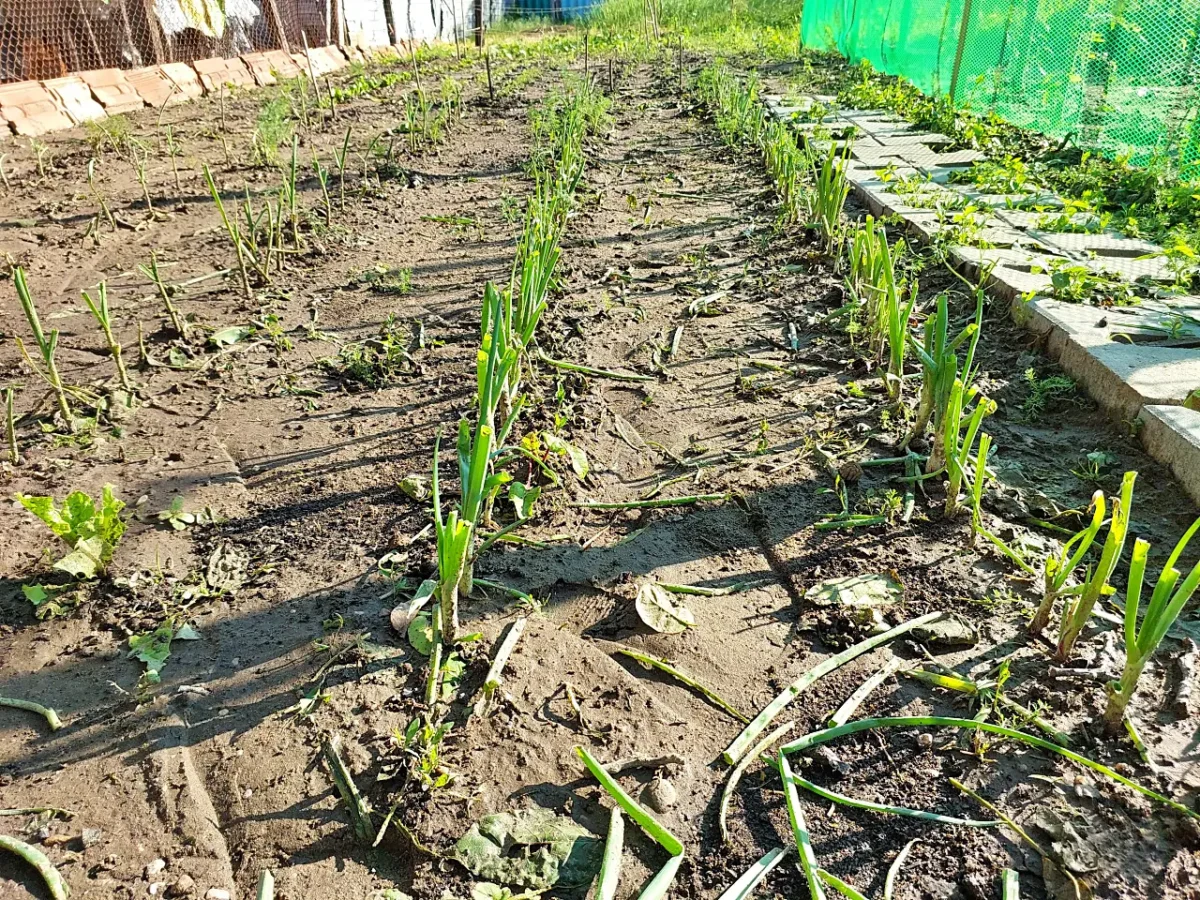
When I arrived and saw the devastation, I wanted to scream. Months of sweat, work, and expectation were wiped out overnight.
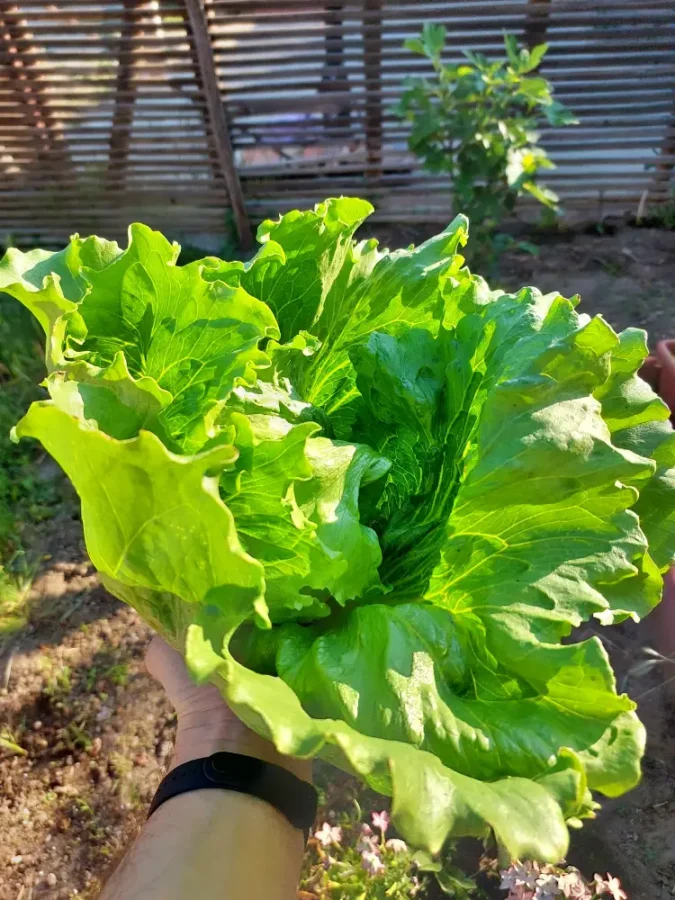
Some crops recovered – the lettuce and onions did the best – but most never reached their potential, if they survived at all.
I know now that there are nets and systems to protect against this, but installing them costs money I am not ready to spend (for some of the reasons I will list below).
2. The water
Or the lack of it. 2025 was an extremely dry year. Plants need water to survive, let alone thrive.
I have a good relationship with our next-door neighbor, and she promised to water our garden when we weren’t there. But she didn’t do it often enough.
The plants barely held on. Not only was this arrangement expensive (I suspect she used our water for her own crops, though I can’t prove it), it was pointless.
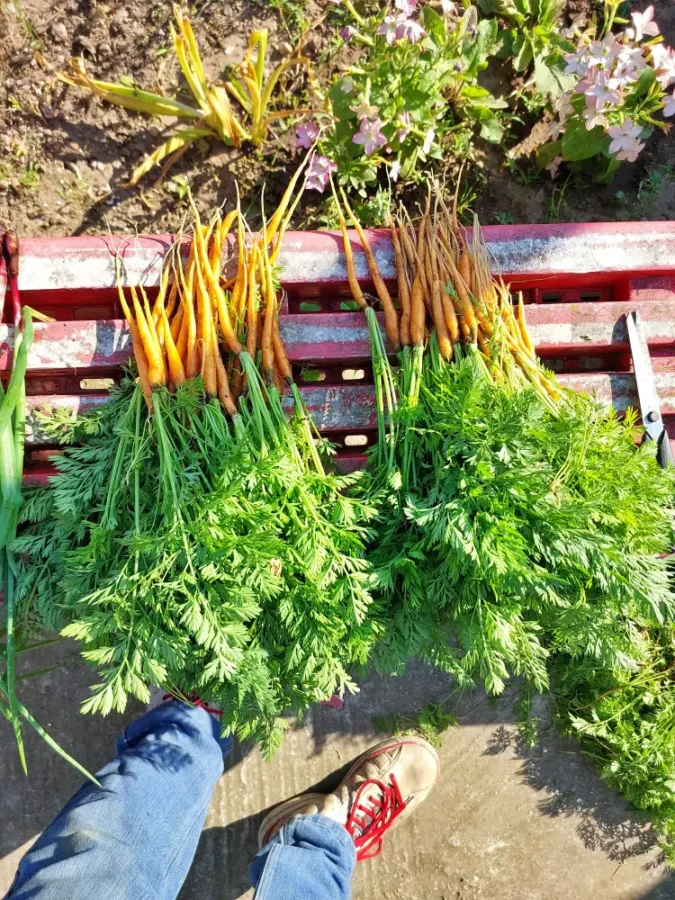
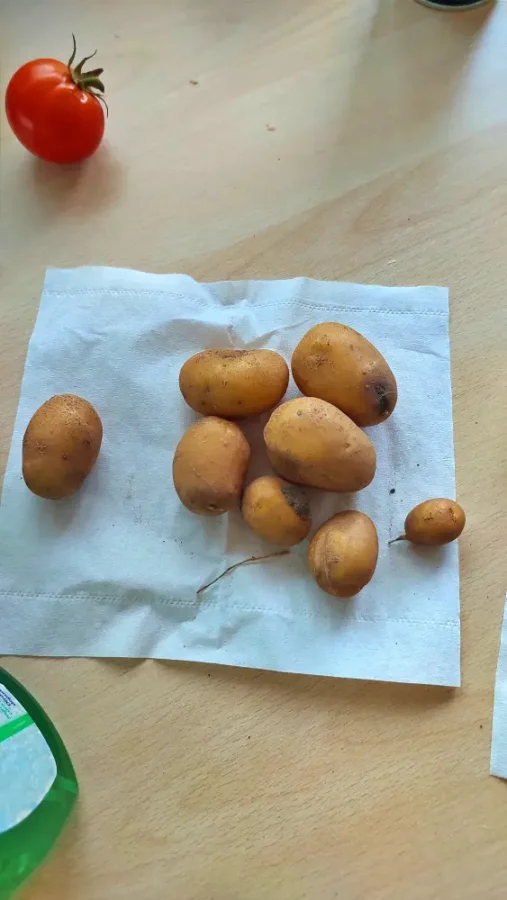
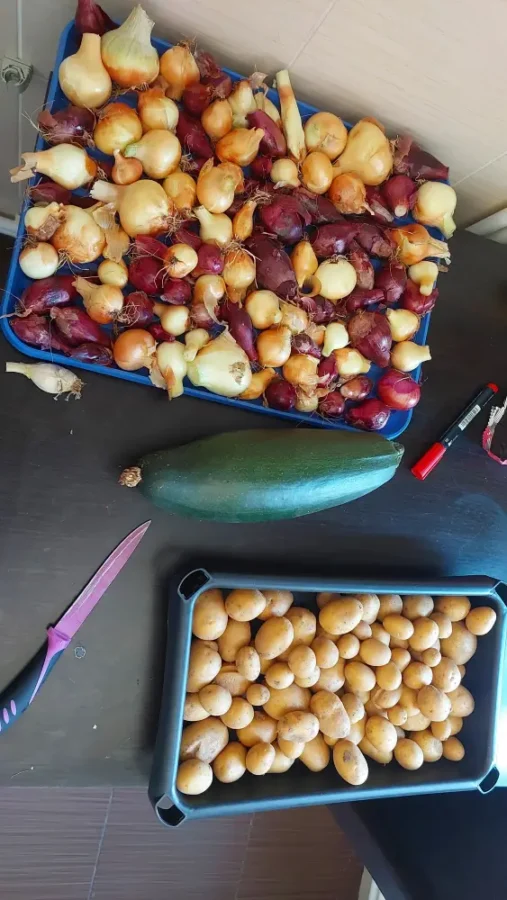
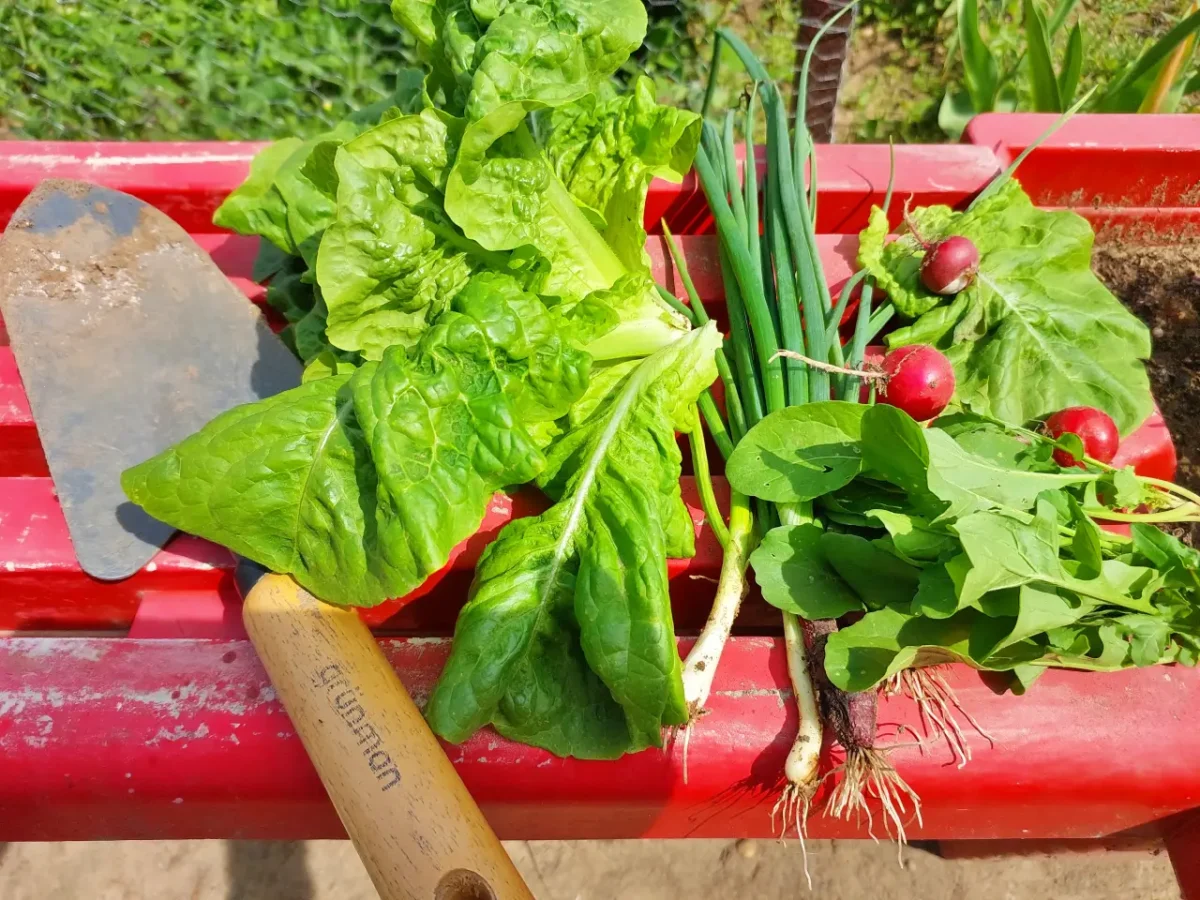
There was almost nothing to harvest – apart from onions, radishes, spinach, arugula and lettuce that was harvested earlier in the year (when there was a bit of rain), we only harvested two tiny tomatoes, one cucumber, a few bunches of tiny carrots that looked like caricatures, 1 zucchini and 3-4 strawberries. Our peppers, eggplants, and everything else we planted produced nothing. It was terrible.
I know that a drip-irrigation system is the answer. But again, that is a heavy expense I cannot justify right now – especially since it should be done AFTER installing protection from future hail storms.
3. The chicken
Late last year, I made a deal with my neighbor. I would let her use half my yard (which sat empty anyway, costing me money to mow twice a year) if she would care for ten hens I would “own.” I’d pay for their food; she would give me ten eggs a week. A simple, win-win deal.
This did not go to plan.
First, she rushed to buy 20 chickens from a local villager rather than the vet I trusted, paying a higher price than agreed (with no receipt, naturally). Out of the 20 she bought, I had the bad luck of eight being roosters.
We pivoted. We decided to raise them, she would slaughter all the roosters but one for meat when they were big enough, and we’d keep the hens.
But then, the unexpected happened again. Just as the birds reached maturity, a fox allegedly attacked the coop. Strangely, the fox was only attracted by the roosters and ate four of them.
Even stranger is that just a few weeks later, two more roosters apparently died over night, although they were well the day before. The neighbor quickly threw them away, so they don’t make the other chicken sick.
As for the hens? They simply refused to lay eggs (although they were the egg-laying variety, not the ones grown for meat). Out of the ten weekly eggs I was promised, I received maybe 60 eggs over the entire year.
Of course, I have doubts that everything truly happened as I was told. While it could’ve been just as described, I have my doubts that this was indeed the reality. I never saw the dead roosters, the fox tracks, or the evidence. It makes me doubt the story.
Even more so when the hen decided to lay eggs exactly when I was spending more days at the village house – it’s easy to know as they like to make a fuss about it.
On the other hand, the neighbor was thrilled with the arrangement. She even proposed that next year I pay for a pig she would raise for me. I politely declined. I have a feeling that pig would succumb to a mysterious illness just before Christmas sausages are made… not a risk I am willing to take.
4. You have to be there
The conclusion is obvious: to make a village house work (at least how I was hoping it would), you have to live there. There is no other way.
My twice-a-week trips were not enough. And while I would love to live there, reality prevents it.
My son’s school schedule is the main reason why, right now: my wife doesn’t drive, so I have to handle the school runs and his city-based activities which simply make living there full-time impossible – for now, at least. And that brings us to the money.
The budget challenges (and potential wins from selling the house)
I ran the numbers, because in our situation, math matters and it always tells the truth.
Yes, I get immense pleasure from working the land. I cannot express the joy I feel when eating something that grew in my garden, from my labor. But I also need that labor to make sense financially. We are in a tight spot, and I don’t have the luxury of expensive hobbies.
And the math showed that my farming experiment was a failure.
When I added up the cost of gas to drive there, the value of my time, the water bill, the seeds, the seedlings, the chicken feed, and the endless miscellaneous expenses, the result was grim: growing my own food would cost more than buying it from the supermarket (even with a full, regular yield, not the joke I had this year).
Beyond the garden, there are the fixed costs. Taxes (fortunately low) and maintenance add up. Even if a house sits empty, things break.
Even more so, to make the place truly livable, we still face that massive electrical rewiring project. We also need to install the new water heater we bought to replace the old one that is not working properly and consumes electricity like there’s no tomorrow.
Just like any property you don’t rent out, this house is basically a liability. It eats money, not generate it.
On the other hand, selling the village house seems to make a lot of sense from a financial standpoint:
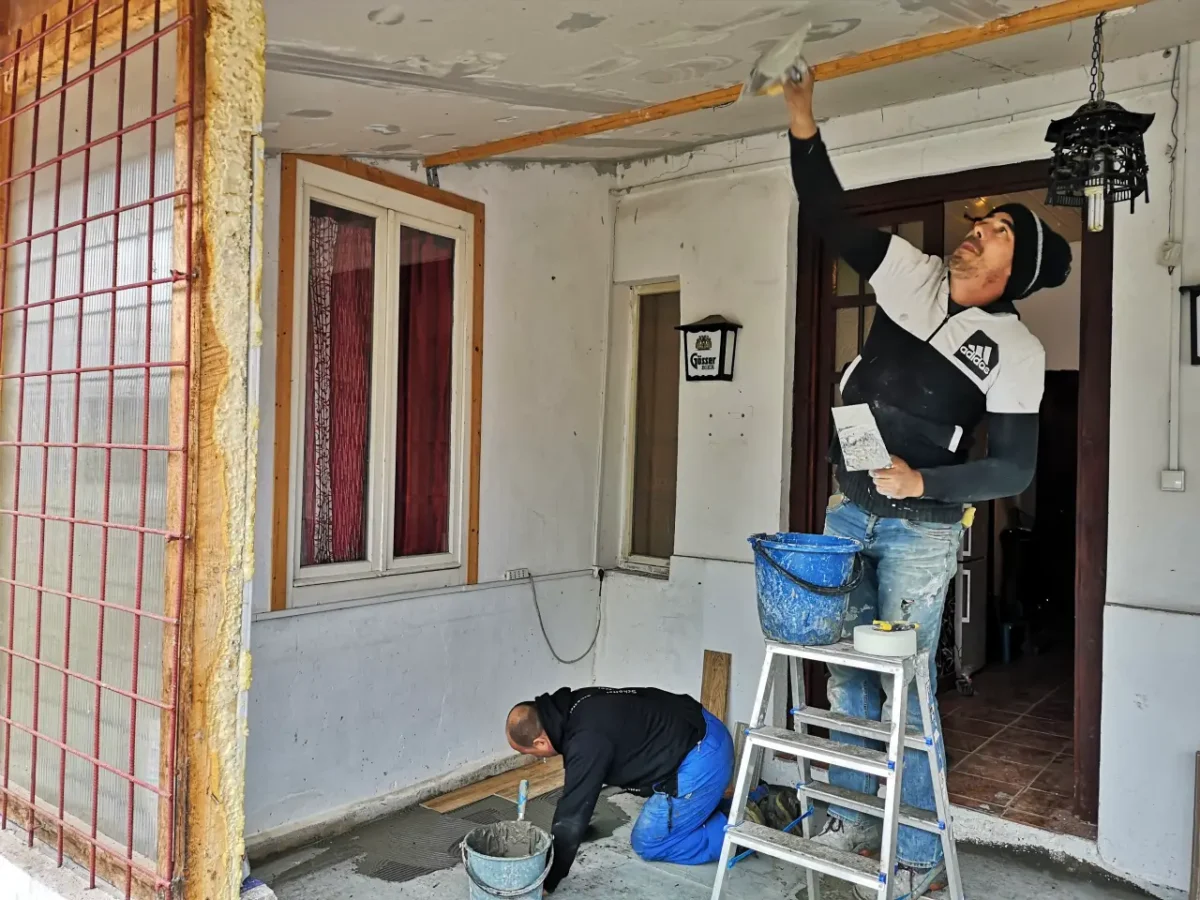
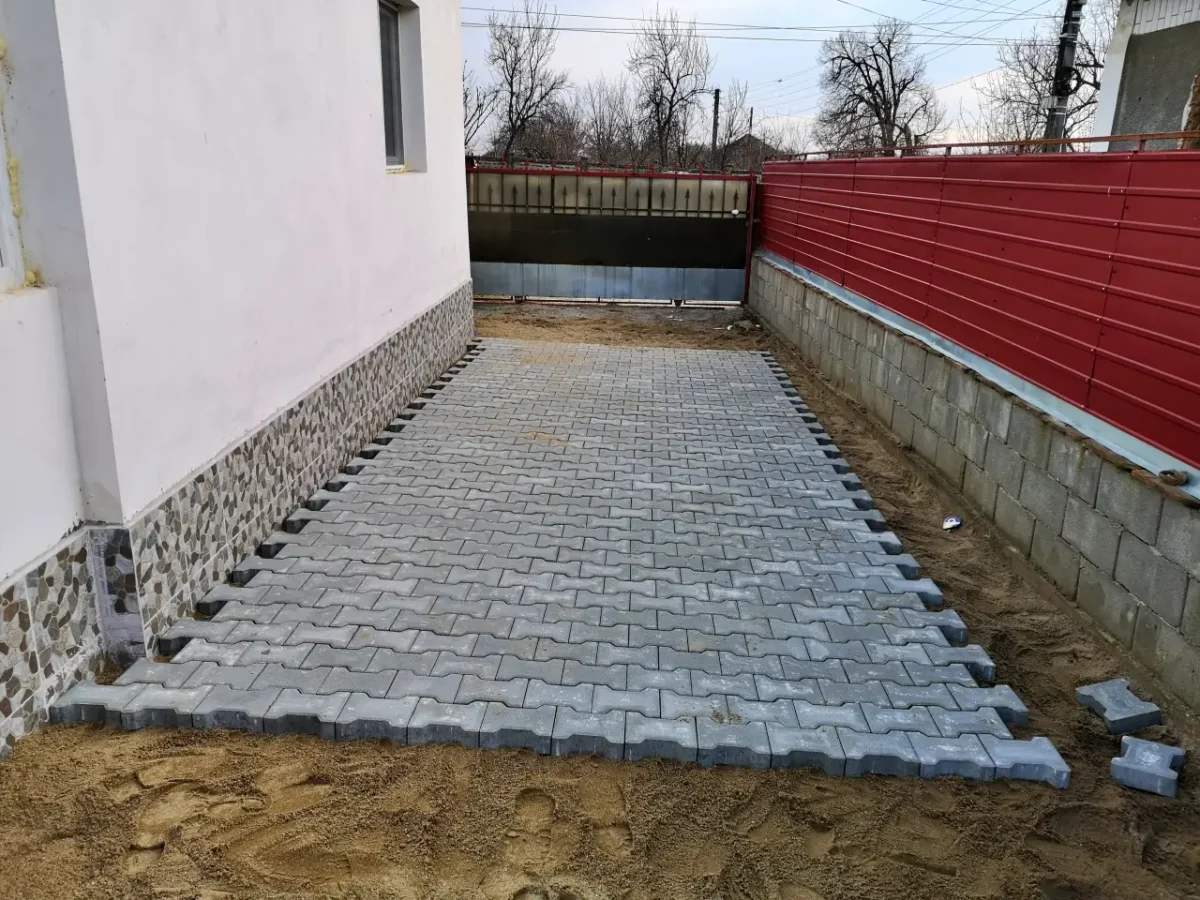
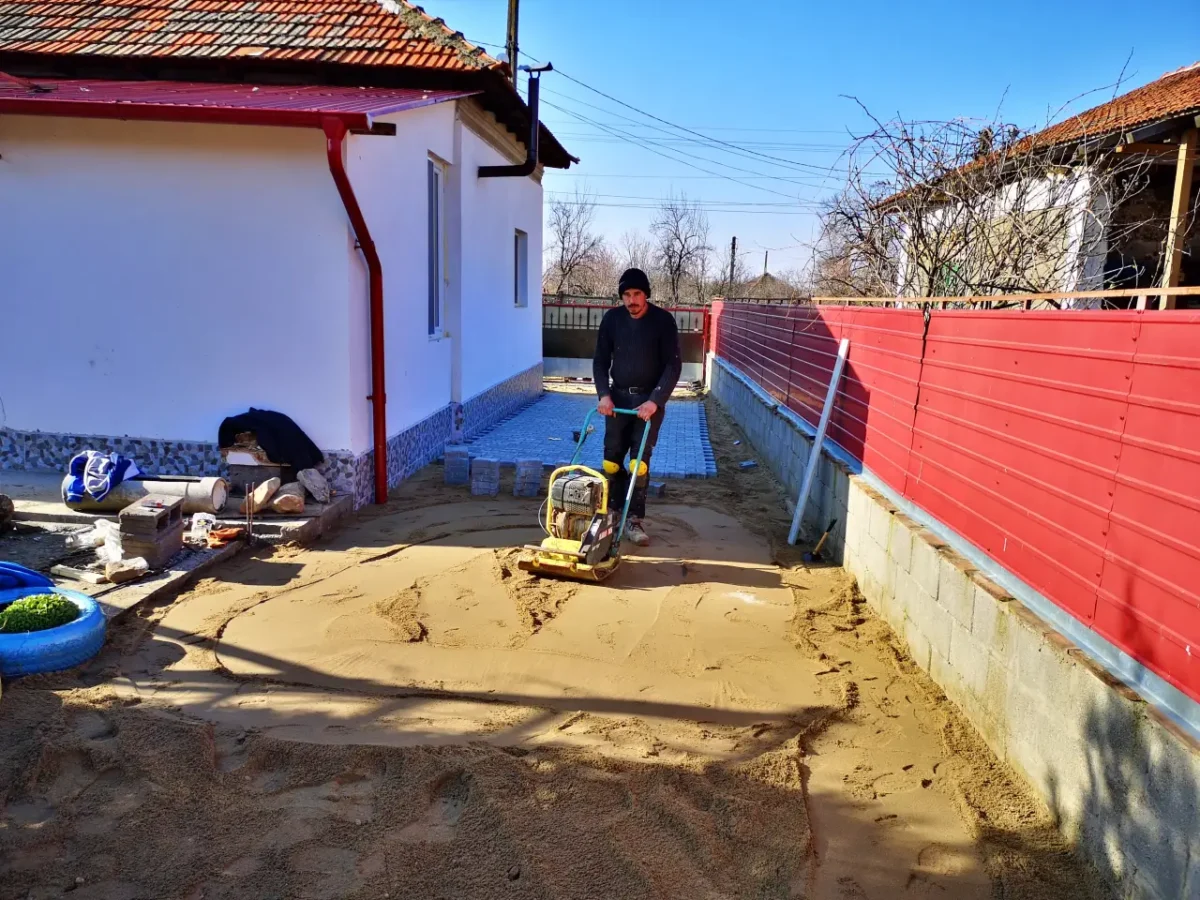
I estimate I could sell it for around 40,000 Euros if I am conservative. We bought it for 30,000, but made plenty of improvements (fully rebuilt the living room, replaced all windows with high-quality double-pane ones, and paved the yard), so even 45,000 wouldn’t be completely out of the question.
Invested in safe bonds, that capital would generate 100 to 150 Euros a month. In our current situation, that isn’t pocket money – is a big help. Not to mention that the lump sum alone would cover our living expenses for around two years.
The downside is liquidity. Selling a village house in Romania – especially in a quiet, less popular area like ours – is a slow process unless you get lucky. The previous owner had it listed for two years before we showed up. Even with our improvements, we might be waiting a long time for a buyer.
Logically, this means the sooner we list it, the better. The math is never wrong. But is math the only thing that counts?
The main reason why I decided not to sell it (for now)
Despite all the calculations I made, all the juggling with our current finances and monthly income and everything – all telling me that it would make sense, financially, to sell the house – I still decided not to.
The reason is deeply personal. It is something that costs a fortune to buy, repair, or regain once lost.
It is my state of mind.
I really can’t put in words the specific, physical wave of relaxation that hits me the moment I open the heavy gates and step into my yard. Despite the hardships, despite the storms, despite the fact that I am essentially living decades in the past with fewer comforts than my apartment, I feel at peace there. I feel amazing.
Even though I don’t live there permanently, the ability this place has to recharge my batteries is priceless. And right now (and probably ever), my state of mind is not just a personal thing – it’s something that my family benefits from.
I haven’t spoken much about this because it isn’t the focus of this website, but I went through a very dark period a few years ago. I suffered from terrible burnout and heaps of anxiety that I am still recovering from.
I won’t go into the gritty details, but it was bad – debilitating, actually, and resulting in a few months lost focusing on my recovery (while being physically and probably mentally unable to do any work).
While the worst is behind me, having that sanctuary – a retreat I know I can escape to when the noise gets too loud, but also to just make everything feel better even when things are OK – is probably priceless too.
I truly believe that selling the house would put me in a worse mental state for the long term and the cost of fixing those potential mental health problems would likely be far higher than the cost of maintaining an old village house.
Other reasons why I’m not selling
Most of the other reasons why I am not selling (and hope I will never be forced to) are related to the joy of living in a house and having your own yard. Probably, the latter is difficult to understand by somebody who hasn’t lived in an apartment, but it’s true.
Also, I know that many people hate gardening, but for me, it’s like therapy. But beyond the flowers and the tomatoes, there are practical reasons too:
1. A retreat if everything goes wrong
My agricultural experiment this year failed, but I learned from it and I know that in the future, I’d be much better prepared. And considering the fragile state of the world right now, this house is our safety net.
I don’t think the darkest doomsday predictions will come true, but in the event of a larger war or something similarly bad, knowing that I can take my family there and grow part of our food, keeping our living costs at a minimum, offers some peace of mind.
The same goes if all our efforts to turn things around don’t work. If we need to truly cut costs to a minimum, it’s easier done there than in the city.
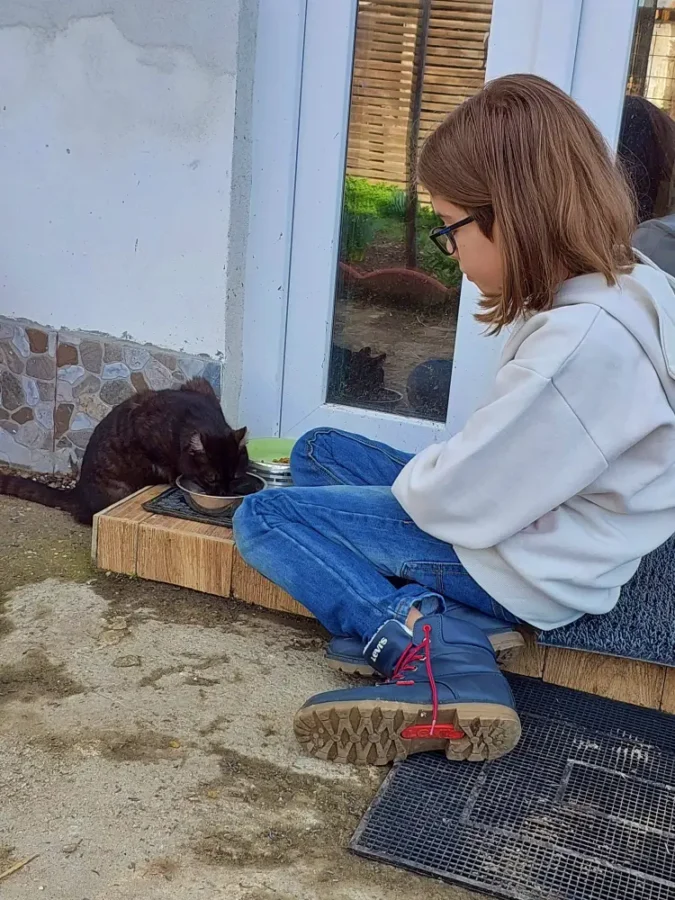
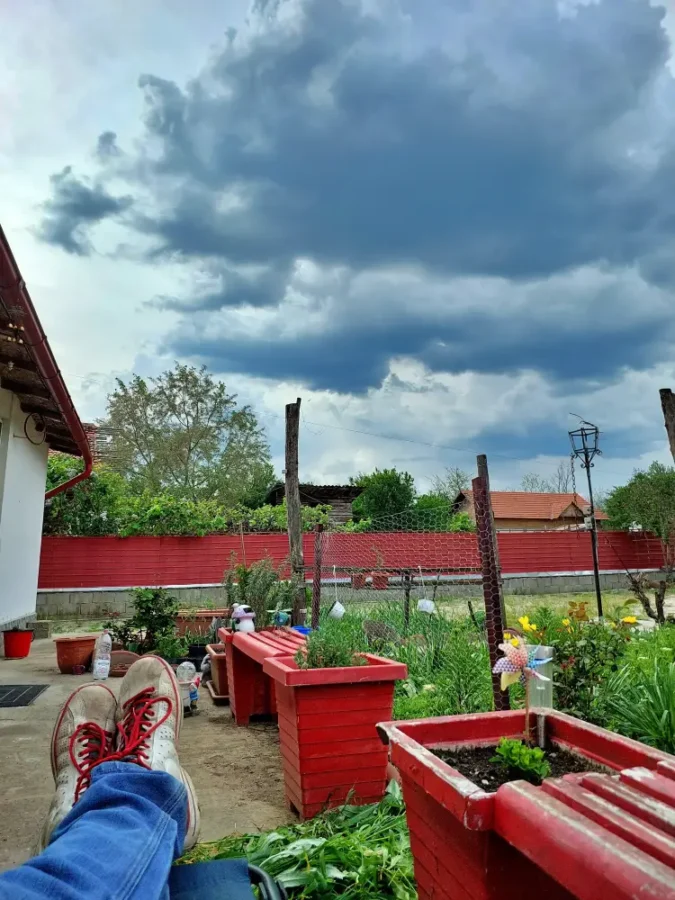
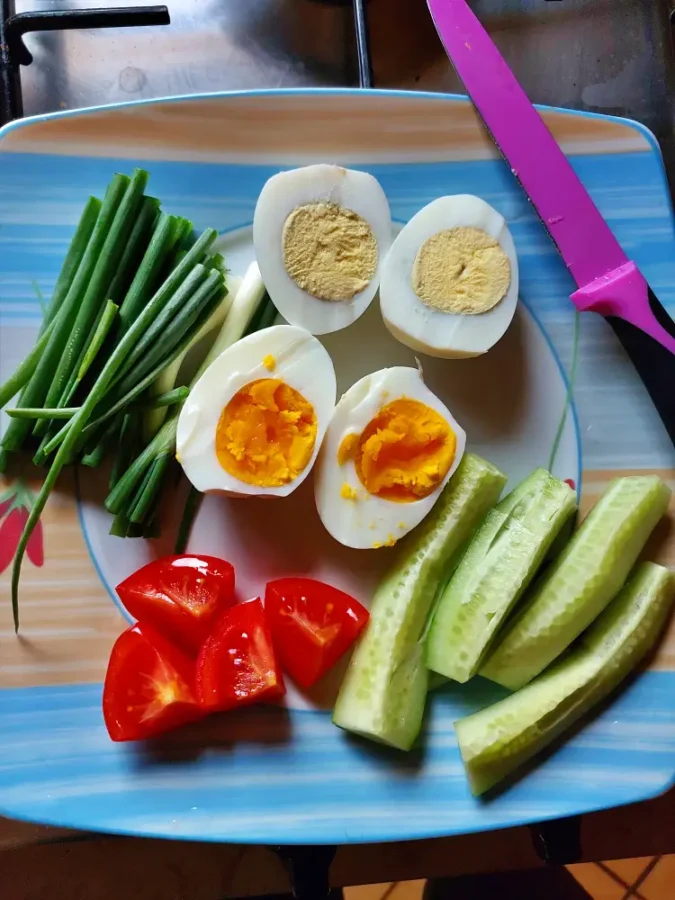
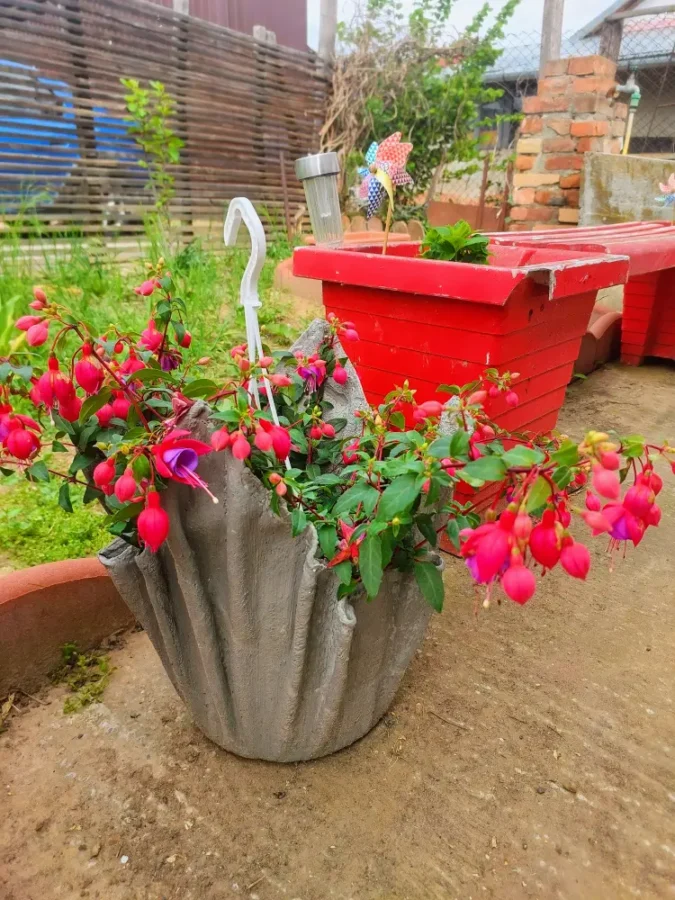
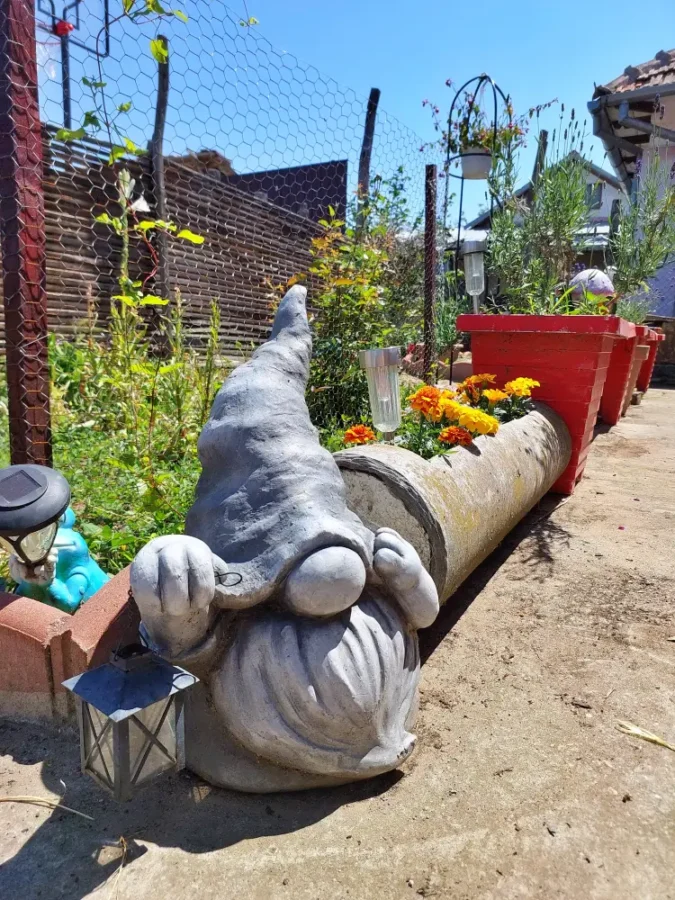
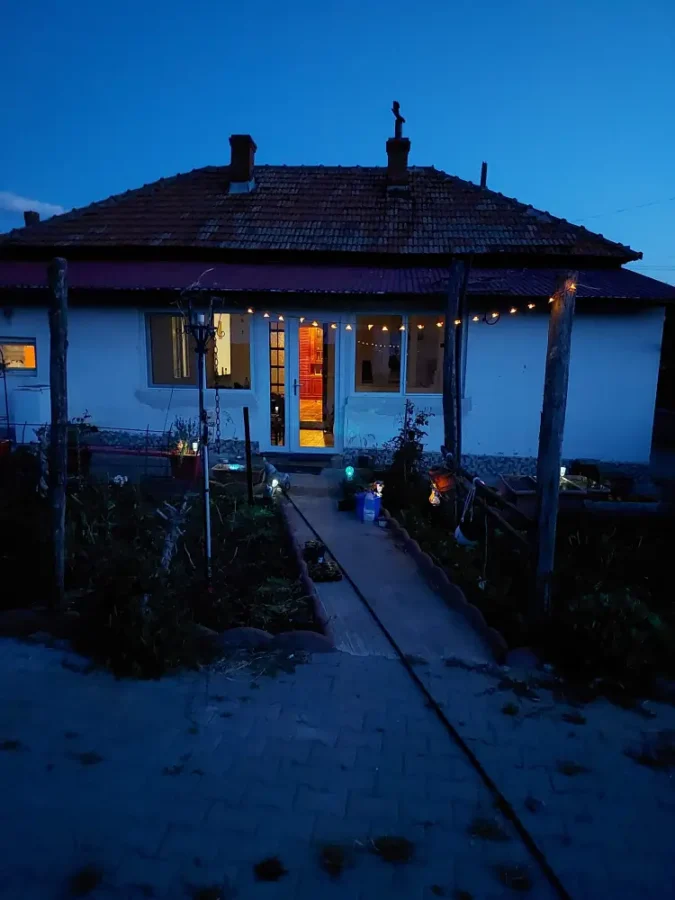
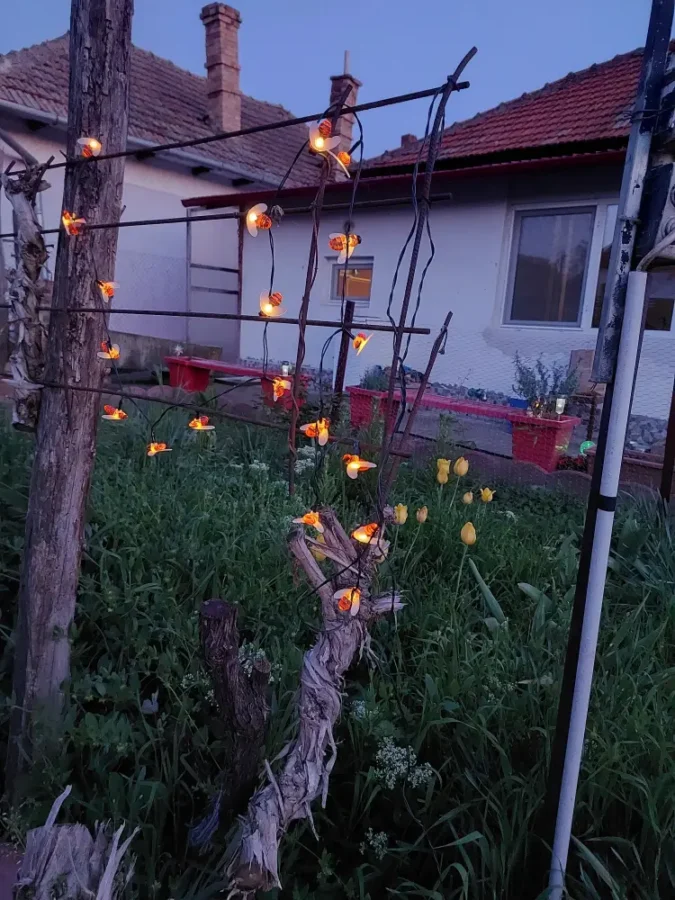
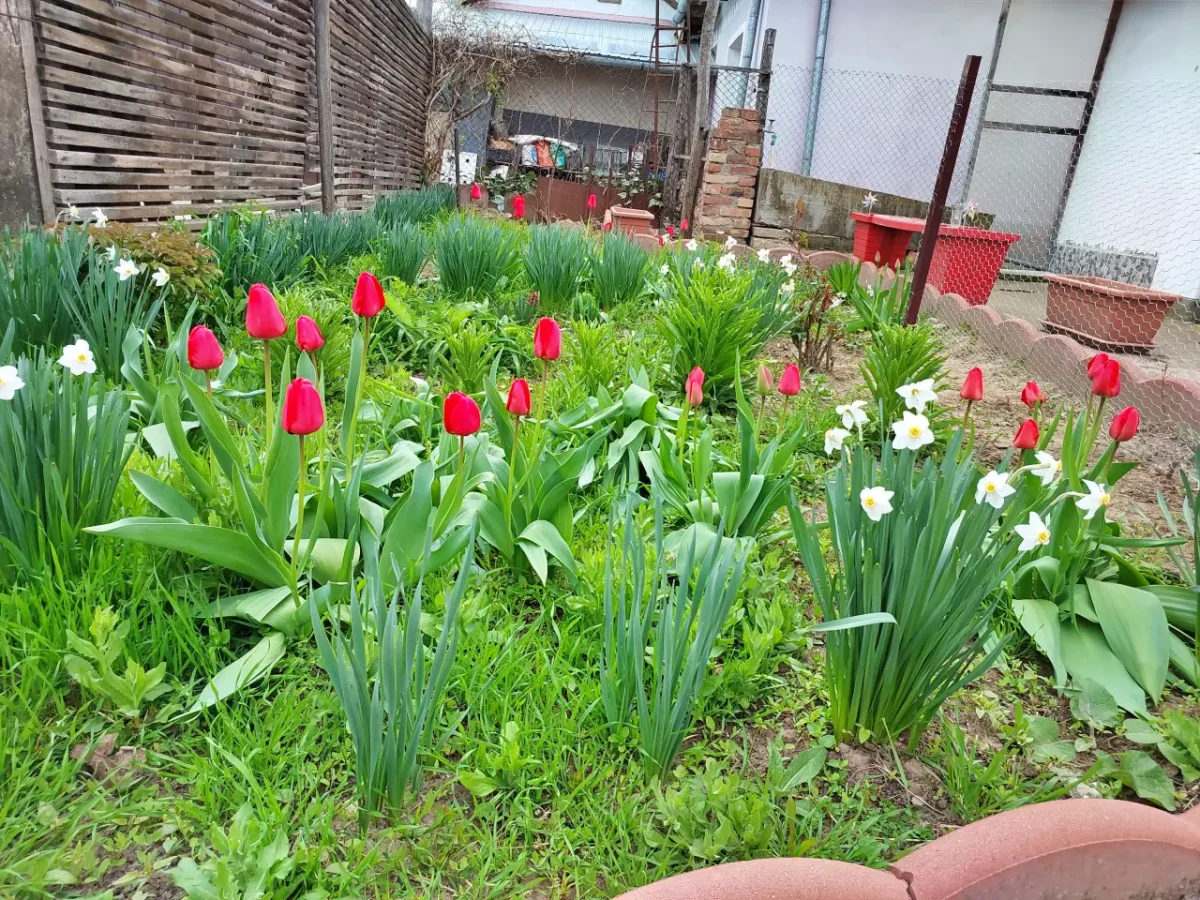
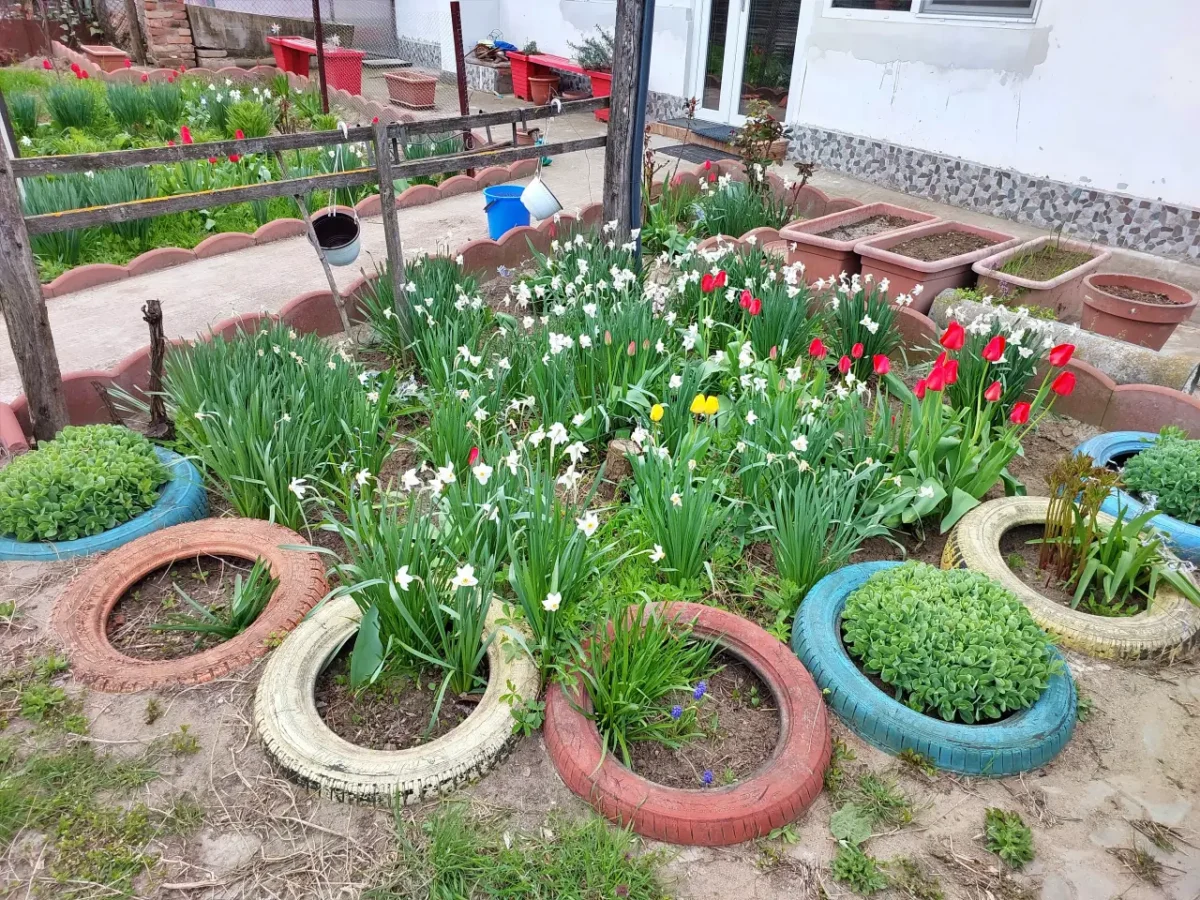
Here are some photos to prove a point – all taken in our imperfect little heaven, proving that free things can still be priceless
2. The long-term plan
I have to be honest: my wife isn’t as attracted by living in a village as I am, but she has told me she wouldn’t mind living there as long as we have all the modern amenities.
We’re not quite there yet, but it’s something that can be done and most of the things are in place, even if they need minor upgrades or major fixing. We have running water and electricity, we have a wood stove with radiators to heat the rooms, things are already in a decent shape.
I do hope to be able to eventually afford installing solar panels and even dig a well for an independent water source (our old well dried up last year). But there is no rush on those, though fixing the electricity is a must for next year.
Our son is 12. Soon, he will be chasing his own dreams. If that involves us having to follow him as well, I will gladly do it. There is no dream of mine more important than his well-being.
But more likely, when he turns 18 and leaves for university, we could pack our bags and retire to the village.
Ironically, our social life might actually improve there. Most of our friends have already left the city, and our solitary work-from-home jobs keep us isolated. In the village, we talk to neighbors over the fence, we have them over, or visit them; there is a community there that we simply don’t have in the apartment block.
So if all goes well, this dream will become reality. But even if it doesn’t, right now, the healing this house provides is worth the expense, in my opinion. Because – at least in theory – we can always decide to sell later.
Maybe I am just stubborn. Maybe I am refusing to admit defeat or truly see the bad decision. Others might feel that I’m just emotionally attached to a building or a place. But is it really a problem?
I can only hope I made the right decision. And sometimes, I believe that the right decision isn’t made with a calculator, but with your heart.

I am a journalist and local expert who has been documenting life in Romania since 2013. Based in Constanta (after living in Bucharest and Drobeta Turnu Severin), I provide up-to-date, on-the-ground advice for expats and travelers. My articles are based on real life experiences and plenty of research – from paying Romanian bills to exploring the wild “Rawmania” countryside.
You made the right choices.
Happy to hear you agree with me, Steven!
The whole village home was just a matter of one bad thing happening after another. Some of those things you can’t control, such as the weather and the drought of water. I personally feel your neighbor is lying to you and has actually sabotaged your chickens and possibly killed the roosters. A fox that ONLY kills roosters? Sure. But I wanted to address your main reason for not selling the house. I understand that you feel a sense of peace there and the emotional attachment. But at the end of the day, emotions are not going to pay your bills or give you stability. Sometimes the hardest decisions you will ever make will bring the greatest rewards. But those rewards will come much later since it is these decisions that take the longest to foster.
Take a look at what you can control. If you have a source of possible income that will help you right now, then take it. All the other stuff can be rebuilt later. You already stated that it has taken a huge mental and physical toll on you. Eventually, it will affect your health and will be hard to recover from. Sometimes, some people never recover.
My advice, for what it’s worth, is to sell. Once you get the income, you will be in a better position to make some other decisions. Once you are stable again, you will be able to get back to the things you love. And in the future, I’m sure you will be able to get another village home. And that one, will be even better!
Good luck Calin. I’ll still be here reading your articles.
Brian
These are some valid points and exactly the train of thought I had for the “we should sell” part. I will give it this year also – I will no longer focus on the garden, and keep it only as my “sanity sanctuary” and see if we do manage to turn things around completely so it still makes sense. But you are correct – emotions will not pay the bills, and more often than not, the decision your brain makes are better than the one your heart makes 🙂
I’m so sorry to hear about your many trials and tribulations right now. You have proven in the past that you can make the hard decisions you need to. You have also shown foresight in not taking hasty action at times in the past. I think you have thought out your situation pretty well. I understand the need to list the property sooner rather than later, given the amount of time that it may take to sell. You could list it now and if offers come in sooner than you want, you could change your mind, couldn’t you? Tell them you got a better offer from a rich German. Or would you be selling it through a real estate broker who wouldn’t go along with that? I am in a strange situation myself. My last effort to send money from the USA to Japan resulted in the money being sent back to the USA, minus a $50 fee, of course. I couldn’t get any explanation from the US or Japanese side. I think I have identified the problem on my own (my Japanese bank for whatever reason decided to change its Swift number by one digit). Fixing it entailed driving 7 hours through a snowstorm to a US Consulate to witness my signature on a document. I hope everything is fixed but I won’t know until they change the wiring instructions and I can try sending the money again. Needless to say, a feeling of panic is slowly increasing inside me. Your neighbor’s shenanigans remind me of so many experiences I had in the Romanian countryside, some of which I have told in some articles you were so kind as to print on this very website. Countryfolk ripping off cityslickers seems to be a common aspect of village life. But good relations with neighbors are a must in a village.
Hello, Stuart. You are correct – and this is, strangely, one option I haven’t considered. Just list it and see if the right offer comes in. I can list it personally on all the important websites and decide what to do if the offer comes in. We might have to go visit the place with the interested buyers and many are just curious… but this is definitely a solid idea!
I am sorry to hear about the problems you went through with sending the money – and especially losing so much because of the bank. Have you considered neobanks (which now have full bank licenses) like Wise? They offer multi-currency accounts with great exchange rates and with funds available instantly from one account to another. They have no monthly fees, so opening an account might work and save you some future headaches and probably more in terms of exchange fees and rates.
Back to the village house – it is saddening to see that’s still happening, but it does. We help those neighbors whenever we can bringing them food and clothes… but it’s probably just their nature and the “normal” way to be.
I know this is a serious article but you had me cracking up at the two tomatoes and caricature carrots😜. You know l appreciate your thoughts on our discussions and you talked me off the ledge when I was thinking about a second home and you sided with Fede. Perhaps you could list it a higher price and see if there are any bites? You don’t have to sell it, but at least you can consider it then. Yeah… l’m with Alina on this one. I wouldn’t want to live there full time. Your neighbor is full of it! Of course she wants a pig next. I’m sure she not only keeps the eggs, it sells them too and pockets the money.
Looking back, I can laugh at the “harvest” too. It’s not very clear in the photos, but the potatoes were tiny, too – many were smaller than the onions, which were already small heheh.
It’s interesting that you mention the house and me offering arguments against it… arguments based on my personal experience on the matter. “Practice what you preach” comes to mind.
As for the neighbor, unfortunately, that is the most likely case. The shocking part for me is the fact that we did help her and her granddaughter as much as we could, bringing them food, clothes, and sometimes even giving money for the help around the yard. What these people don’t realize is that once they do something like that, felling sorry for them and helping won’t come as easy.