
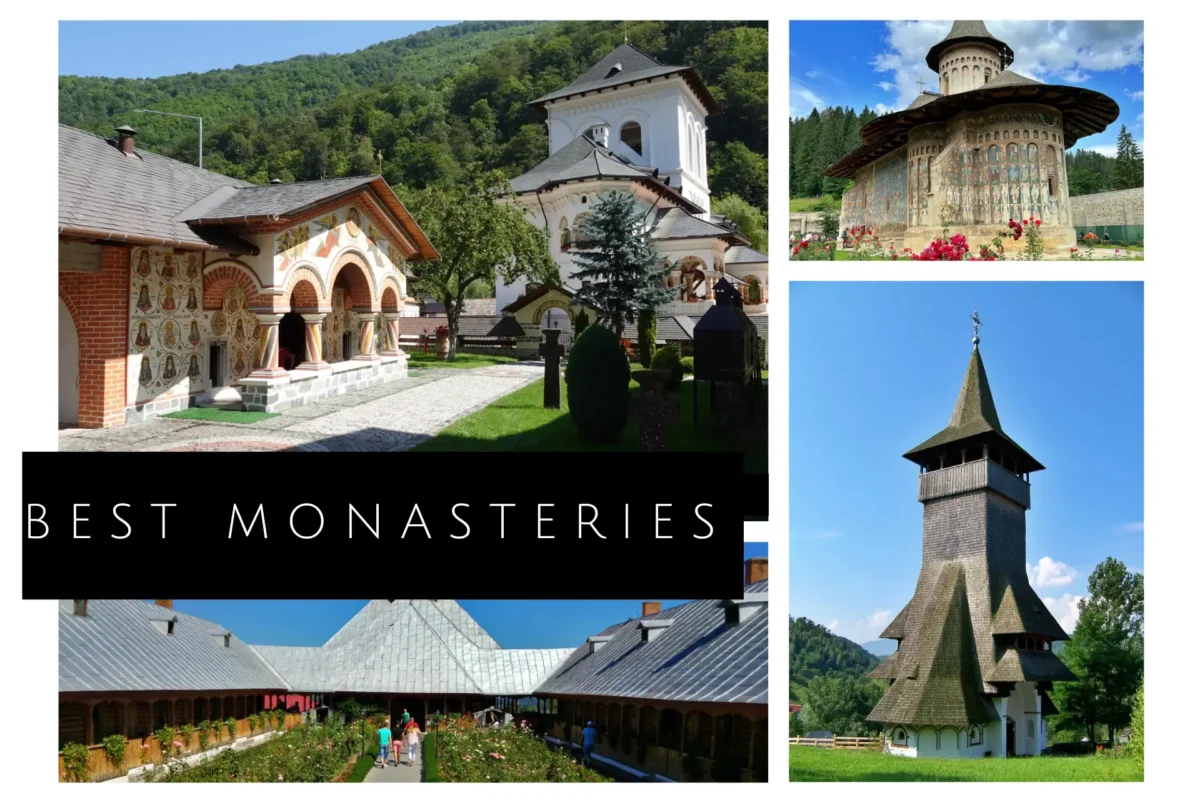
Romania has such beautiful monasteries that you can easily forget about Dracula and vampires. The North-Eastern side of the country has most of them (Moldova and Bucovina regions), but there are plenty amazing ones scattered throughout the country.
Today, I will share ten of the most beautiful, must-visit monasteries in Romania: they flawlessly mix history, legend, beauty, and are truly special. They’re also located in various regions, so you can see at least a few no matter where your home base is.
For most of these monasteries, taking a guided tour is the best option. Here are a few recommendations, but you can find more on the website based on your starting city:
With these in mind, let’s jump right in and see which are the best, most beautiful monasteries in the country!
1. Voronet Monastery

This is probably the most famous monastery in the country. So if your time is tight and you can only visit one, make it this one!
Known as the Sistine Chapel of the East, Voronet has a unique shade of blue known as “Voronet Blue,” and is famous for its vivid frescoes. It was built in 1488 by Moldavia’s ruler back then, Stefan cel Mare (Stephen the Great), in a record time: less than four months!
Despite the record-breaking build times, it is stunning! The frescoes tell biblical stories in pictures, meant for a mostly illiterate population of the time. Six centuries later, they’re still impressive.
Location: 36 km from Suceava, Bucovina region. (Marked here on Google Maps)
2. Sucevita Monastery
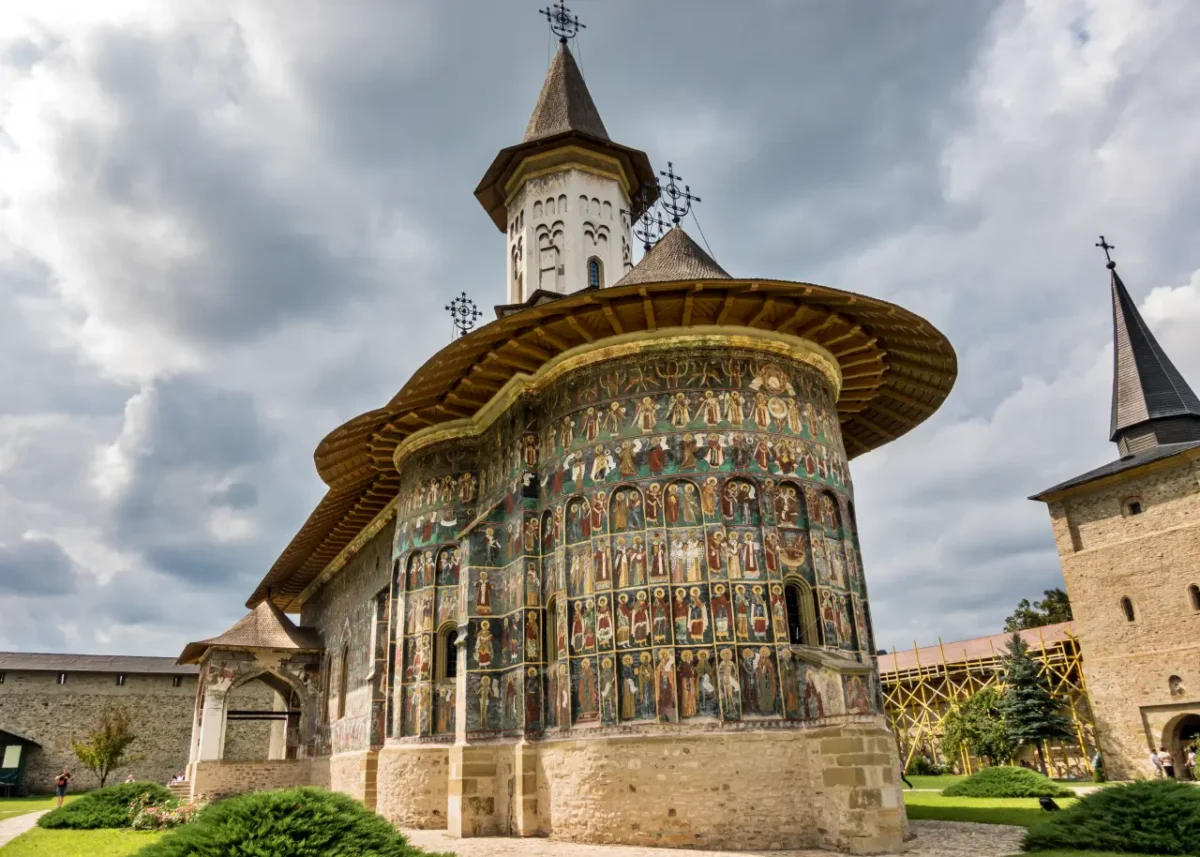
No, you’re not seeing double! Sucevita looks a lot like Voronet, probably intentionally, since it was built in 1582, almost 100 years after the original.
Legend says a woman carried the stones needed for its construction, one by one, over 30 years to have her sins forgiven. Now that’s dedication! Whether true or not, Sucevita’s fortified walls and Gothic-Byzantine architecture make it unforgettable.
The monastery is surrounded by thick, tall walls that once protected not just the monks but also villagers from invading armies. The frescos here are among the best-preserved in Bucovina, including the famous “Ladder of Virtues” painting.
Location: Near Sucevița village, close to Suceava. (Marked here on Google Maps)
3. Cozia Monastery
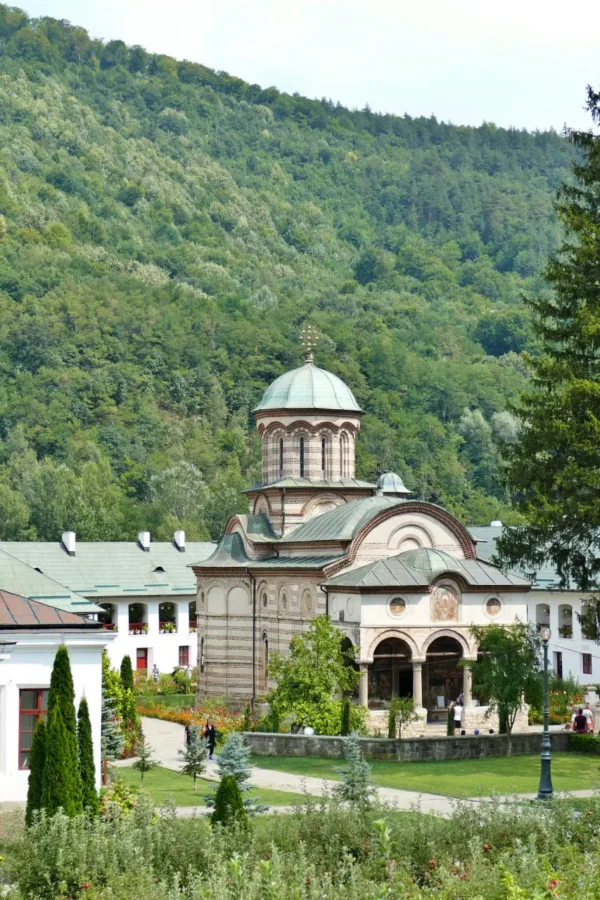
In the south, Cozia Monastery sits proudly on the banks of the Olt River. Built by one of our greatest leaders, Mircea cel Bătrân (Mircea the Elder) in the 14th century, it’s also his burial place.
It served as an incredible source of culture and education: the first study books in Tara Romaneasca (currently Oltenia region) were written here.
It also acted as a fortress during the Ottoman invasions: its location seems to have been chosen from a tactical standpoint as well, with the river protecting one of its sides.
For a short while, in the 1800s, it was turned into a prison, but the authorities realized the mistake and gave it back to the monks, remaining a monastery until present day.
Location: Near Râmnicu Vâlcea, Oltenia region. (Marked here on Google Maps)
4. Lainici Monastery
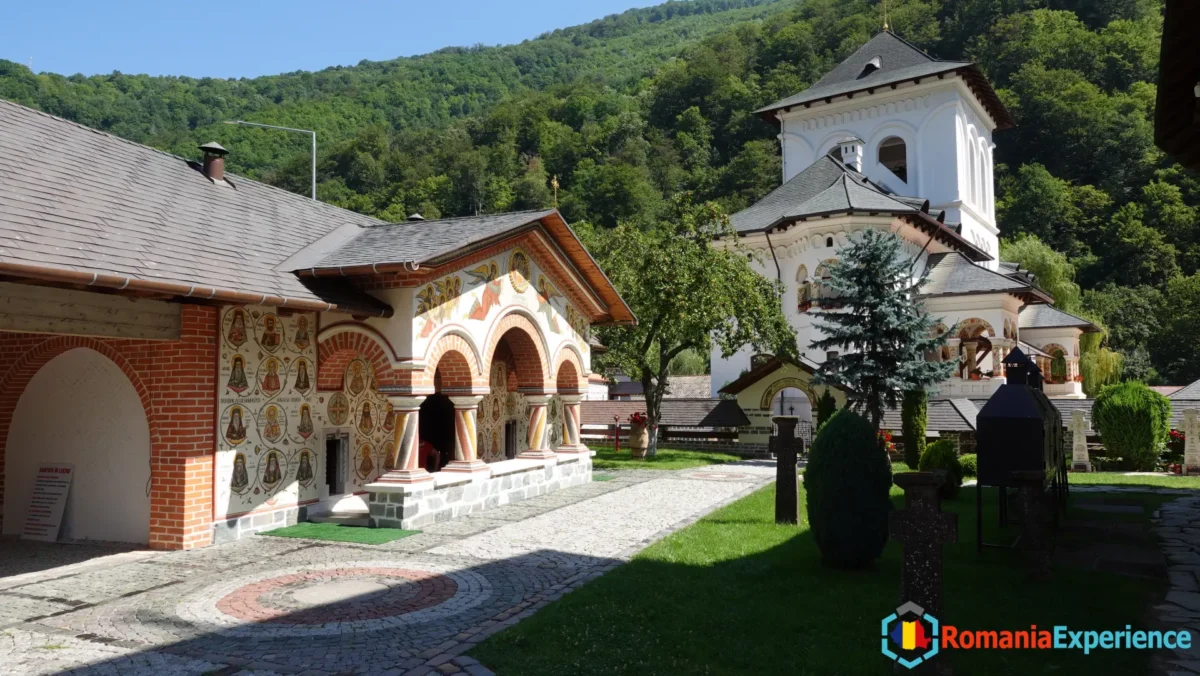
We revisited this place in 2025, and it’s better than ever. Renovated, kept in good shape by the monks, and absolutely stunning, it’s one of my favorite monasteries not only in Oltenia, but also the entire country.
Located deep in the Jiu Valley, surrounded by the Carpathian mountains, Lainici is both peaceful and powerful. It was founded in the 14th century but destroyed during Ottoman attacks and later rebuilt.
Location: Gorj County, halfway between Târgu Jiu and Petroșani. (Marked here on Google Maps)
5. Putna Monastery
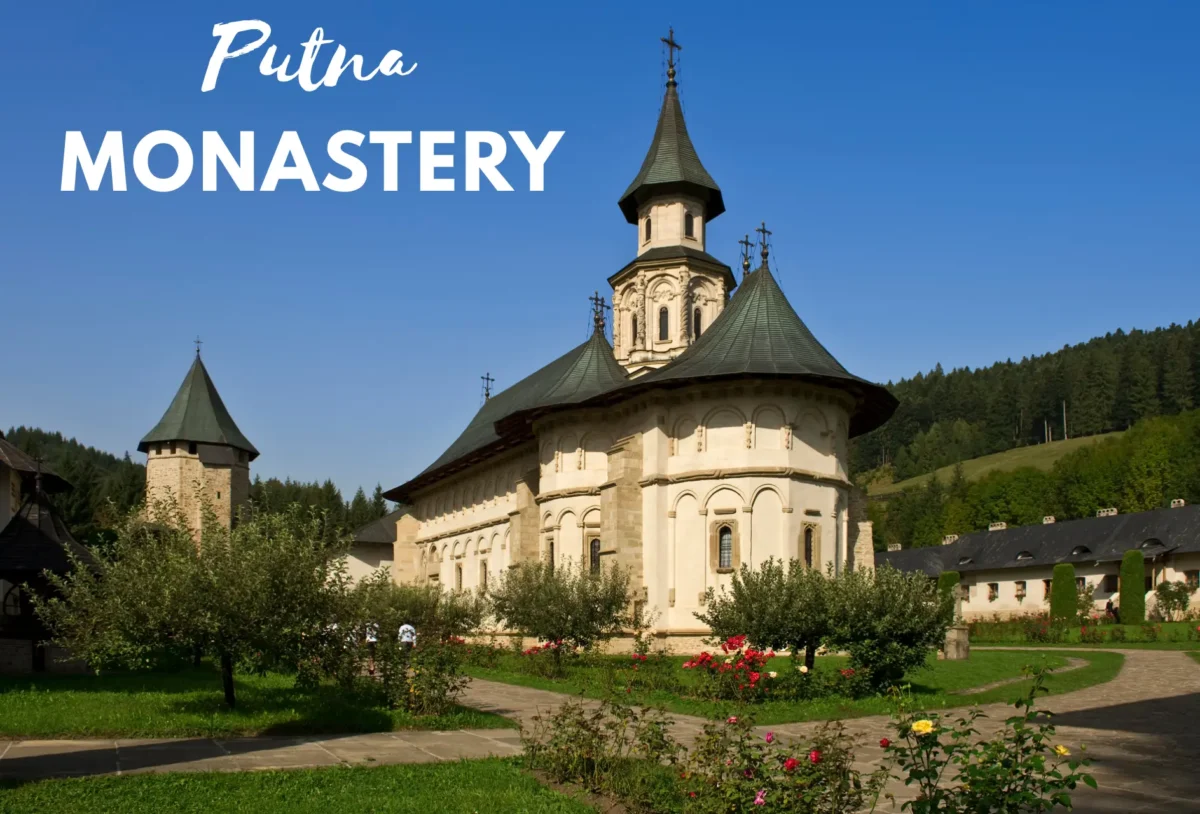
Named the “Jerusalem of the Romanian nation” by Romanian poet Mihai Eminescu, Putna was built between 1466 and 1469 and is the resting place of the great ruler Stefan cel Mare.
It is also the house of an impressive religious museum, with unique manuscripts and items from medieval times.
Location: Near Radauti, or 70km away from Suceava. (Marked here on Google Maps)
6. Saint Ana Monastery
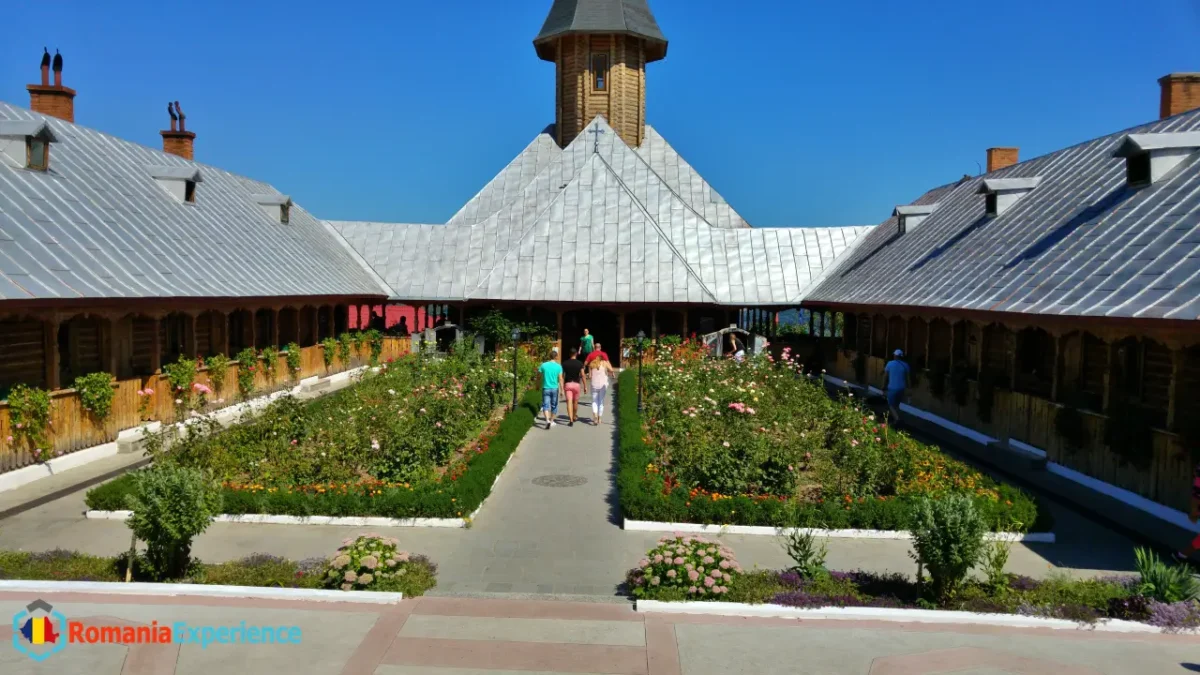
I may be a bit biased, as this one is close to my hometown of Drobeta Turnu Severin, in Orsova, overlooking the Danube. This young monastery (built in 1936) offers some of the best views in Romania.
It has a beautiful story, too: it was built by journalist and political activist Pamfil Seicaru, who survived an explosion in that area during the first World War – and promised to build a monastery as a “thank you, God” and in order for us all to remember those fallen during the war.
Initially, the church didn’t accept it as a monastery, since it wasn’t built on “holy ground”. It was desecrated and even turned into a restaurant and disco but fortunately, in the 1990s, it was restored to its true purpose. Today, it’s an active nuns’ monastery.
The fact that Seicaru and Romania’s then dictator, Nicolae Ceaușescu, were at odds didn’t help originally.
Location: In Orsova city, on the Danube. (Marked here on Google Maps)
And if you’re in the area, make sure not to miss the Decebal rock sculpture nearby: it’s equally impressive (if not more so!)
7. Prislop Monastery
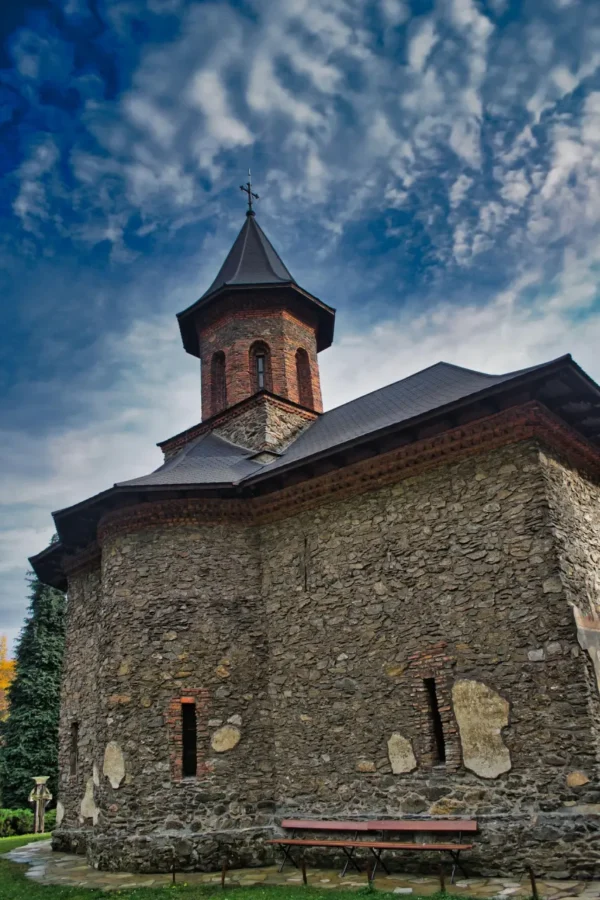
This tiny and apparently unimpressive monastery (at least if you look at it from a distance) has become one of great significance to Romanians in recent times, being the burial place of Father Arsenie Boca, one of the most influential Romanian priests of the 20th century.
He was canonized in February 2025.
Thousands of pilgrims visit daily, many believing in his miraculous powers. Whether or not you share their faith, it’s a fascinating glimpse into modern-day spirituality in Romania.
Location: Near Hațeg, Hunedoara County. (Marked here on Google Maps)
8. Barsana Monastery
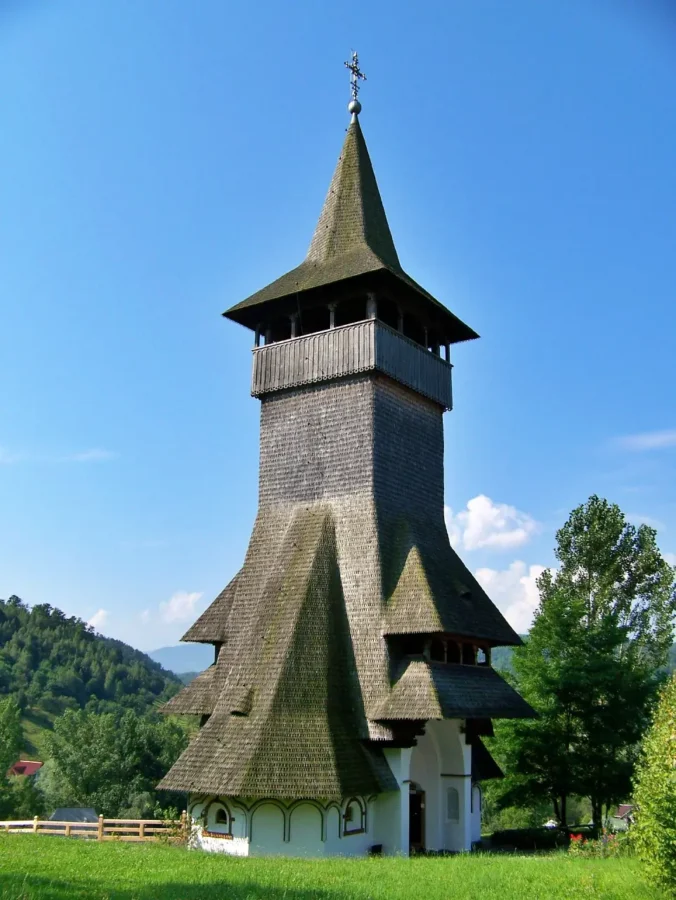
Maramureș is famous for its wooden churches, and Bârsana is the crown jewel. Originally built in the 18th century, its current wooden complex includes a towering church once considered the tallest wooden structure in Europe (57 meters).
The craftsmanship here is extraordinary – everything from gates to houses to crosses carved in wood, and this particular structure is the best preserved in the country.
Barsana is also part of the UNESCO World Heritage list of Wooden Churches of Maramureș. It’s way off the beaten path, but definitely worth visiting if you can.
Location: Near Sighetu Marmației, Maramureș region. (Marked here on Google Maps)
9. Neamt Monastery
Another impressive monastery that can be found in the Moldavia region, it was built in the 15th century during Stephan the Great’s reign. He was the Romanian leader who built the highest number of monasteries during his rule – 19 of them still standing today.
The legend has it that he built a church or monastery after each fight he won, in order to show his gratitude to God. Neamt is among the most significant of those creations. Its Byzantine architecture and centuries of survival make it a must-see for anyone traveling through Moldavia.
It was also an important place for education during those times, with many of the most important books of the time being written there.
Location: Near Piatra Neamț, Moldavia region. (Marked here on Google Maps)
10. Curtea de Arges Monastery
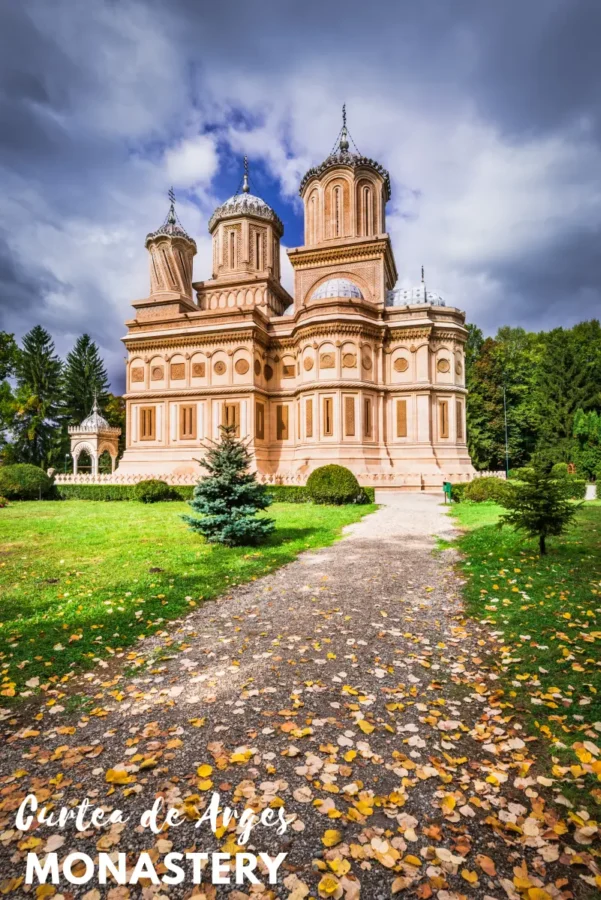
Few places in Romania combine beauty and legend like this monastery. Built in the early 16th century by ruler Neagoe Basarab, it is one of the country’s most important religious landmarks.
Blending Byzantine, Gothic, and local styles, with intricate stone carvings that make it look like lace carved in stone, it holds the tombs of Romanian kings and queens, including King Carol I and Queen Elisabeta, as well as King Ferdinand and Queen Maria.
Despite these, Curtea de Arges is best known for its haunting legend: the story of Master Manole, the chief architect.
The legend says that he was forced to sacrifice his wife Ana by entombing her in the monastery walls to ensure the building would stand. When you visit, you can see the marked wall where Ana was supposedly placed.
Location: Curtea de Argeș town, about 150 km northwest of Bucharest. (Marked here on Google Maps)
Things to Know Before Visiting
Dress code: Conservative clothing is expected. Men should avoid wearing shorts, and women should cover their shoulders and knees. Ideally, women should have their heads covered as well.
Most monasteries have a bin at the entrance offering, for free, veils that women can use to cover themselves if they come unprepared, but the reality is that you won’t be kicked out if you don’t have proper clothing.
Entry: Most monasteries don’t charge an entrance fee, but donations are welcome. Some museums/sections inside may have a small ticket price (usually under €3).
Photography: Outdoor photos are generally fine, but indoor photography is generally restricted. Always ask first.
Overnight stays: Many monasteries offer simple guest rooms. Don’t expect luxury – you may get a bed and basic food in exchange for a small donation, but the experience itself is unique and you must try it if you have the time.
Transport: You can’t reach these monasteries through public transport options. Driving your own car or joining a guided tour are the easiest options.
Conclusion
Moldova has the most beautiful monasteries in the country – and definitely the most to offer – but scattered monasteries throughout other regions can provide you with great value thanks to their minimalism, haunting legends, and especially natural setting.
I remember visiting, when I was a child, a monastery where the monks were sleeping in small cave-like structures dug in the mountains, with nothing but a bed and stand for candles – the perfect place for meditation…
I know that has marked me for years and I still remember the inspiring minimalism that they were encouraging, even before it was a thing.
I unfortunately don’t remember the name of that monastery, but all of them have impressive features like the one mentioned above.
So, no matter what your personal beliefs are, Romanian monasteries can provide great value in terms of Romanian history and eye candy.
Did you visit any of these monasteries? Or maybe you’ve seen others that impressed you? Let us all know by sharing your thoughts down below.

I am a journalist and local expert who has been documenting life in Romania since 2013. Based in Constanta (after living in Bucharest and Drobeta Turnu Severin), I provide up-to-date, on-the-ground advice for expats and travelers. My articles are based on real life experiences and plenty of research – from paying Romanian bills to exploring the wild “Rawmania” countryside.