
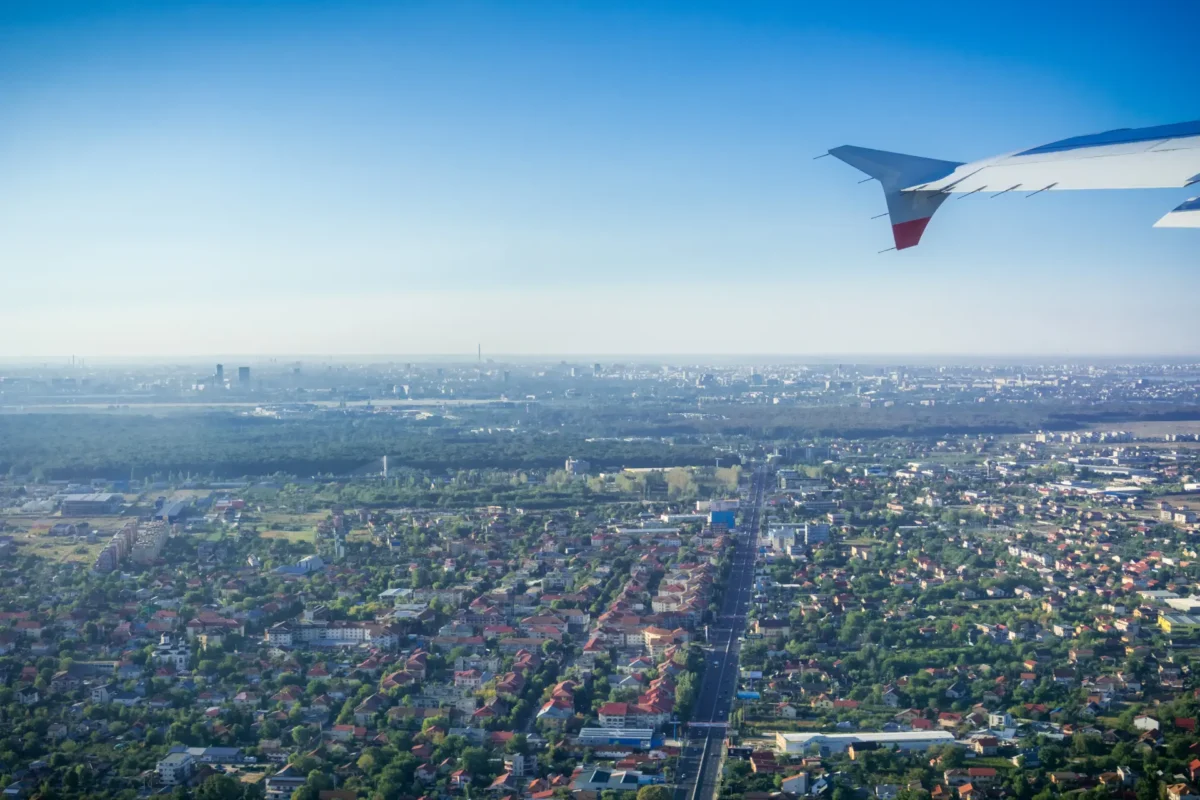

If you want to travel from Bucharest to Budapest, you have four main options: catching a quick flight, boarding a cross-country train, hopping on a long-distance bus, or driving yourself.
have made this trip multiple times, testing every available mode of transport to find the right balance between cost, speed, and comfort. Here is what I found and what you should choose.
At a Glance: Bucharest to Budapest Transport Options
If you don’t want to go through all the details of each means of transportation, here’s the quick summary:
| Transport Method | Average Time | Average Cost | Best For |
| Plane | 1h 45m (direct) | €25 to €60 | Speed |
| Train | ~16 hours | €29 to €90+ | Scenic views |
| Bus | 14 to 18 hours | €40 to €50 | Alternative option |
| Car | 10 to 12 hours | Varies (fuel and tolls) | Road trippers wanting flexibility |
Getting From Bucharest to Budapest by Train
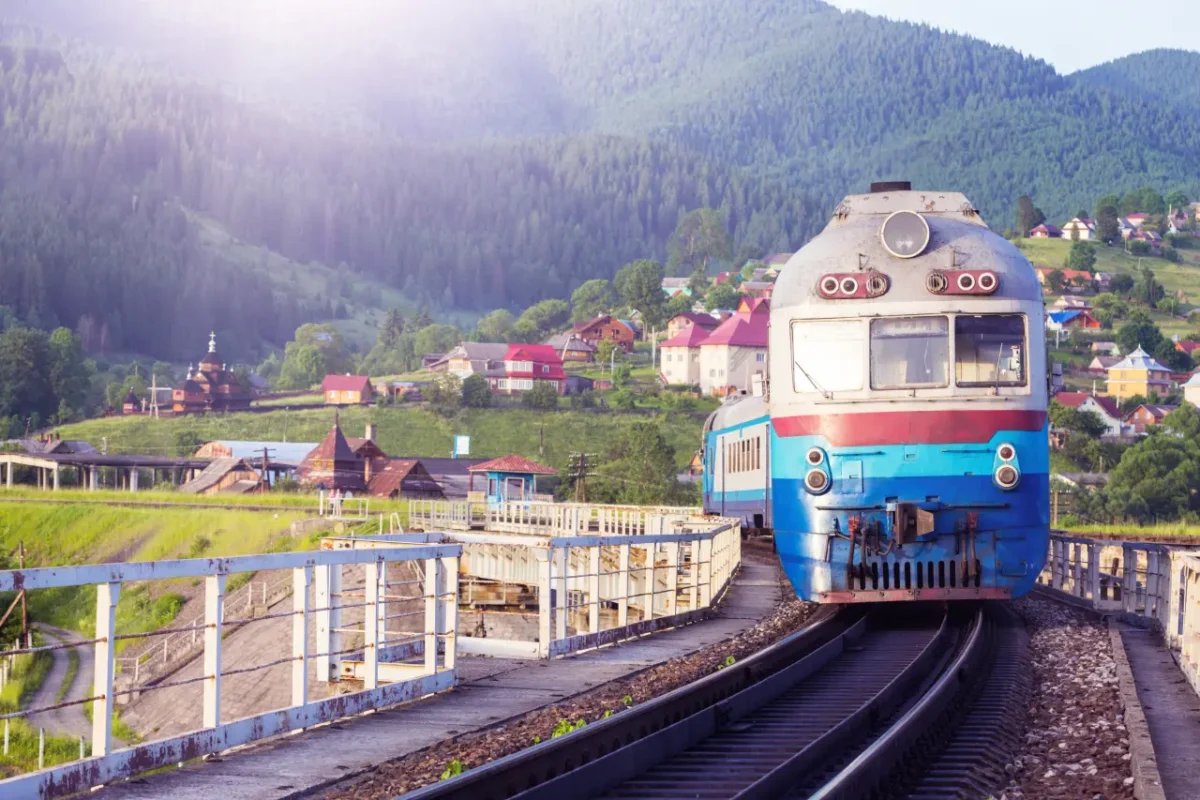
If you’re a regular reader of this blog, you know that I really love riding the train. But taking one from Bucharest to Budapest is really slow. Like around 16 hours slow.
Quick facts
Ticket price: ~€40 for one adult, one way, 2nd class
Duration: around 16 hours
You can buy tickets online
Sure, it’s a pleasant ride and you can even opt for a sleeper cart, but if you really want to get there faster, there are better options (and I am talking about them below).
Now, the good news when taking the train from Bucharest to Budapest is that you have a few options – and all are direct routes! We’re going to check the best ones below.
Option 1: Night Train
Since you have to spend so much time in the train, it makes sense to opt for a sleeper cart for your trip from Bucharest to Budapest.
You have two direct night trains and I am listing them below (make sure to double check departure times and details!)
1. Night train leaving the Bucharest Gara de Nord Train Station at 6:24 PM and arriving in the Budapest Keleti Station at 8:50 AM (the next day)
This train is the fastest option when it comes to all trains: just 15 hours and 25 minutes.
2. Night train leaving Bucharest at 4:00 PM and arriving at Koebanya-Kispest station at 6:00 AM (the next day)
Prices on these trains vary, from around €40 for a 2nd class ticket, to €55 – €143 for a sleeper cart (depending on the number of passengers in the cart, cheapest being the one with 6 beds and the most expensive – the single cart).
If you need to spend a night (or more in Bucharest), I recommend checking out my recommended hotels next to the train station.
Option 2: Day Trains
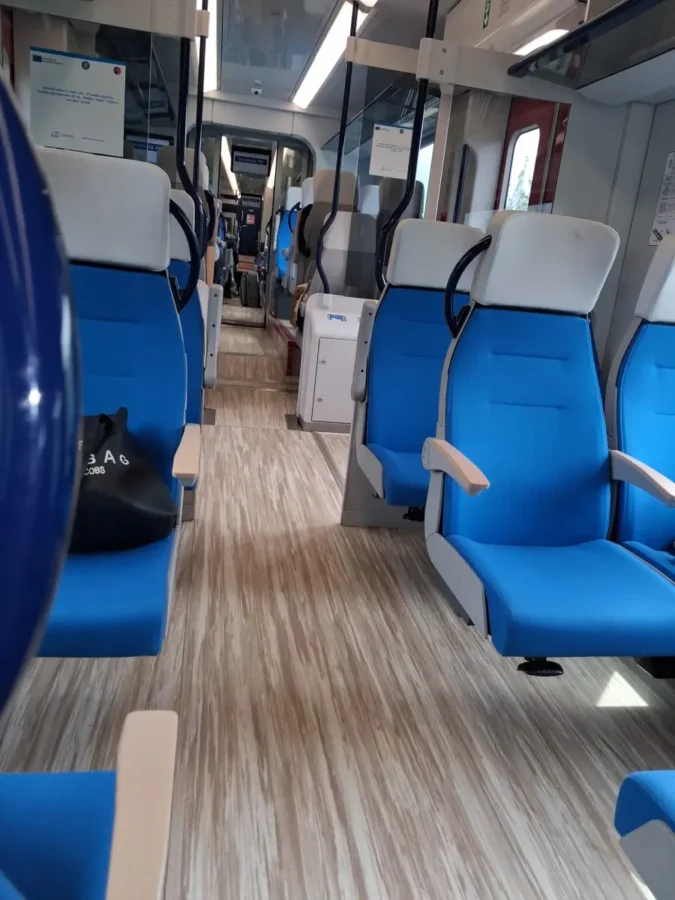
You have just one direct option here, with a train leaving at 5:29 AM from the Bucharest Gara de Nord station and arriving at Budapest-Keleti at 8:50 PM.
If you choose the day trains, I recommend getting from Bucharest to Timisoara first, spending a day or two there (read my impressions of Timisoara) and then move on to Budapest to reduce the total travel time.
You can check out this page where you can see the schedules, prices and even purchase your ticket online.
Getting From Bucharest to Budapest by Plane
Flying is by far the fastest way to travel between the two cities as direct flights take under two hours. Flying used to be the most expensive way to travel here, but that is no longer the case.
Low-cost carriers like Wizz Air now operate flights between the two cities and you will usually find fares between €25 and €40, if you book in advance.
The Romanian state airline Tarom also offers frequent flights, but their tickets usually start around €50 to €60.
Flights leave from Bucharest Otopeni Airport (OTP) and land at Budapest Ferenc Liszt International Airport (BUD). The actual time in the air is just 1 hour and 45 minutes.
Even more, you can choose one of these top hotels near the Budapest airport for accommodation. Or check out the best hotels near the Otopeni Airport.
Getting From Bucharest to Budapest by Bus
Taking a bus is my least favorite choice out of the available options. You do not have the comfort or the freedom to stand up and stretch your legs, which is a huge advantage of train travel.
You also do not get there fast enough for the cramped space to be ignored, and toilet breaks are generally on a schedule.
But you have plenty of options, with various departure times, out of which the best are from FlixBus (check out the offers here).
The travel times vary from under 14 hours to 18 hours, mostly depending on the time of departure, with prices also varying from €35 to €78.
Getting From Bucharest to Budapest by Car
If you prefer to drive, you have this option as well, but I don’t think it’s a good one unless you own the vehicle.
The most direct driving route takes you along the A1 highway via Sibiu, Deva, and Timisoara before crossing the border at Nadlac.
Keep in mind that you must purchase a Romanian Rovinieta and a Hungarian e-vignette, which have to be active for the duration of your trip. Both can be bought online or at gas stations near the border. You risk a heavy fine without them.
There are also ride-sharing options in Romania, with BlaBlaCar being the most popular (with drivers usually asking for a fee to take you with them).
You don’t have guarantees that you will find a car for your dates, though, nor the certainty that the driver will show up, so probably it’s best to try ride sharing only as a last resort option.
Conclusion
Fortunately, there are tons of options available if you want to get from Bucharest to Budapest.
Flying is undeniably the best option to reach your destination as fast as possible. It is quick and surprisingly affordable thanks to the abundance of budget airline routes.
The train is the second best option here, but be prepared for a really long ride which will usually get to the destination with some delay as well.
Buses can be a hit or miss: some are promising to get you there a bit faster than trains do, but you don’t have the comfort offered by trains where you can at least rise and stretch your legs a bit if you need to move.
But in the end, it’s up for you to decide which is the best option for you. And while you consider the Pros and Cons of all options, why not check out my article about Budapest vs Bucharest?

I am a journalist and local expert who has been documenting life in Romania since 2013. Based in Constanta (after living in Bucharest and Drobeta Turnu Severin), I provide up-to-date, on-the-ground advice for expats and travelers. My articles are based on real life experiences and plenty of research – from paying Romanian bills to exploring the wild “Rawmania” countryside.