
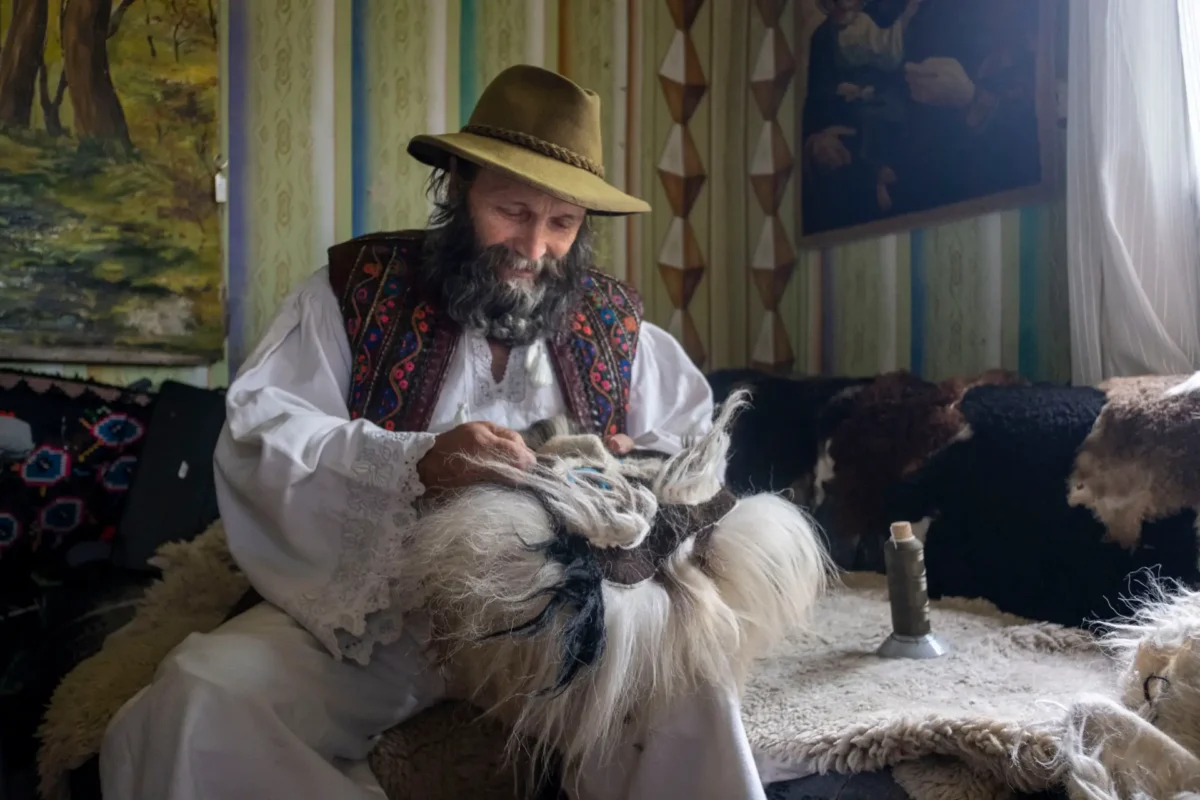
Traditions… They have been part of village life for centuries and have an archaic sound in their name, making us think of them as living customs once, but today, only memories.
And yet, many of these old Romanian traditions are still alive, despite the leveling assault of contemporary civilization. Modernization is felt here for sure, like everywhere in the world, but traditions endure in Romania.
Today I want to talk about some Romanian traditions, ranging from pretty strange ones (probably these are the most fun to learn about) to truly exceptional ones that you might experience when you visit the country.
The Romanian traditions that I will talk about include weird ones, unique customs like The Martisor, Sanzienele, Mos Nicolae, or Babele, but also Christmas traditions and everything in between. Let’s jump right in!
Weird Romanian Traditions
I will start with these, as I consider them the most fun to know about. These weird Romanian traditions sometimes intertwine with the superstitions I already wrote about, but they still have to be mentioned.
Romanians generally admit that they like to believe in all kinds of legends, and even feel a sense of comfort when they follow the unwritten laws of superstition.
From old beliefs that make no sense (to most people at least) to more recent ones like reading the horoscope regularly and guessing one’s future in a cup of coffee… everything is possible here.
The giving of the hen
For example, a pagan custom strictly observed in Romanian villages is the giving of the hen or rooster over the pit. This is usually given to a gravedigger and the purpose of doing this is to drive evil spirits away.
Funeral traditions
Among the first things Romanians do when someone dear to them dies is cover all the mirrors in the house with cloth. In popular tradition, it is said that the soul of the deceased will remain stuck in the uncovered mirror otherwise.
The superstitious are also convinced that those who look in the mirror in the deceased person’s house will be the next to perish – hence the need to cover them.
They also leave a glass of water for the deceased to “drink” from and many will still try to convince you that the one who passed really drinks from that water because the quantity diminishes every day (don’t try to explain the science of evaporation to them!).
Also, continuing with this macabre topic, it’s worth noting that in most cases, the first night after a person dies is followed by a “priveghi” (wake).
The family and friends of the deceased spend the entire night awake, in the vicinity of the deceased (which was, until very recently, almost always kept at home for a few days), telling tales and memories about the one who passed away.
In reality, this event of mourning turns into a night-long drinking marathon, with stories getting raunchier as the night goes by.
Other strange traditions in Romania
Probably some of the best known around the world are those about vampires or strigoi. While the former were turned into a “Romanian thing” by Western media, the Strigoi are as real as it gets in local folklore.
Therefore, once per year on the Day of the Dead (but in some cases, whenever there’s a full moon), people will hang garlic above their doors to scare these spirits away.
Apparently, the bad smell puts them on the run. And no, they can’t use windows to get inside! Ha!
And now, let’s continue with some unique Romanian traditions that you will probably find interesting!
The March brooch aka Martisor
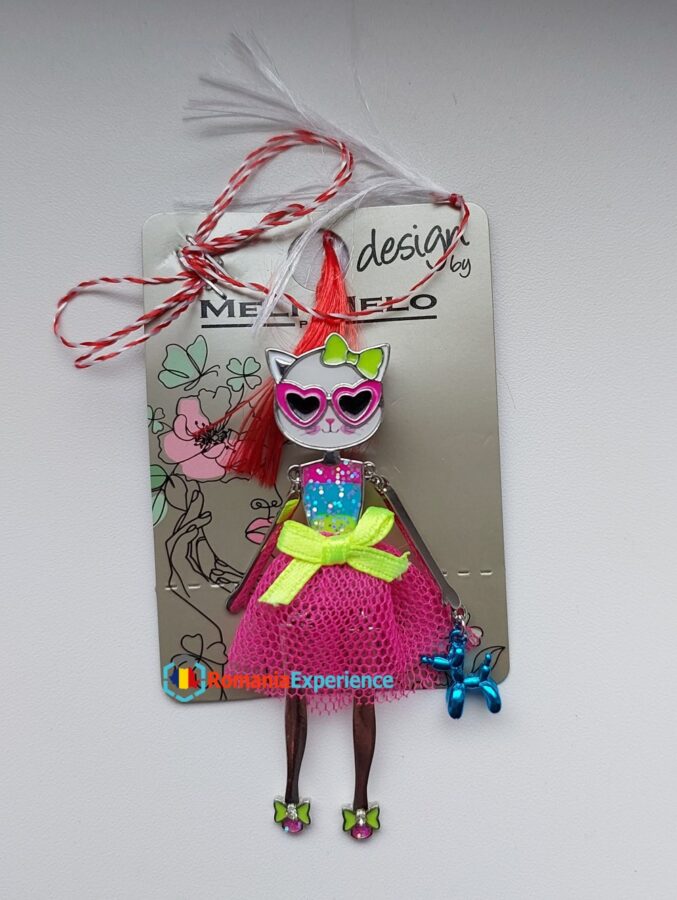
One of the most beautiful Romanian traditions (a unique one too!) is the celebration of the arrival of spring, called Martisor.
The “Mărţişor” is an ancient symbol, which marks the arrival of warm weather in the Romanian lands. It is always celebrated on March 1st.
In popular belief, this talisman has magical powers. The men offer these brooches to the women, and they wear them on their chests throughout the month of March.
Lately, they make them more as bracelets, but their original form is also kept.
The “Mărţişor” was designed as an amulet linked with a string weaved from two threads: one white (symbolizing divinity, health, soul purity, and satisfaction) and one red (as a symbol of love for the eternal beauties of life: friendship, fidelity, and honor).
According to popular tradition, the two colors (white and red) also signify the two primary seasons (winter and summer), whereas spring and autumn are just regarded passing seasons.
Sanzienele
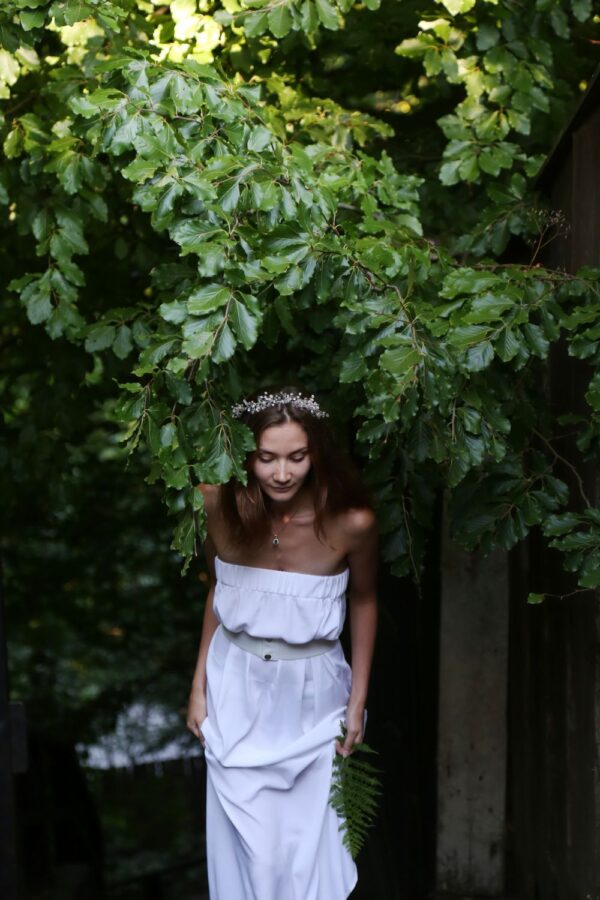
Another interesting Romanian tradition – and one unique to the country, as far as I know, is Sanzienele.
These are fairy-like creatures that visit the earth every year, during the night between the 23rd and 24th of June, when the “sky opens” and leaves all the supernatural creatures visit Earth.
Although there are many customs and traditions surrounding this night, the most important is the event in which young women become the representation of the Sanzienele by dressing in all-white clothes and dancing the night away, surrounded by huge camp fires.
These are said to drive the bad spirits away, but also bring good luck and ensure a rich harvesting season when fall comes.
It’s also the perfect time for single men to meet the single women (usually the ones dressed in white) and start a family.
Dragobetele
Dragobetele is the Romanian celebration of love, basically the local “Valentine’s Day.”
Romanians celebrate Dragobetele each year on February 24th, making this month the real month of love. I say that because Valentine’s Day is gaining a lot of popularity here and people nowadays celebrate both.
But, during the Dragobetele celebration, there are a few things you must do. For starters, if you are a boy, you must see the girl you like before the day’s end, otherwise you will be unlucky the whole year.
Also, for those in a relationship, the first one to step on their partner’s foot will be the ones in control of the said relationship for the next year.
So, if you’re in a relationship with a Romanian woman (or a man), don’t be surprised if they “accidentally” step on your foot during this time of the year. Ha!
Babele (aka “The Old Women”)
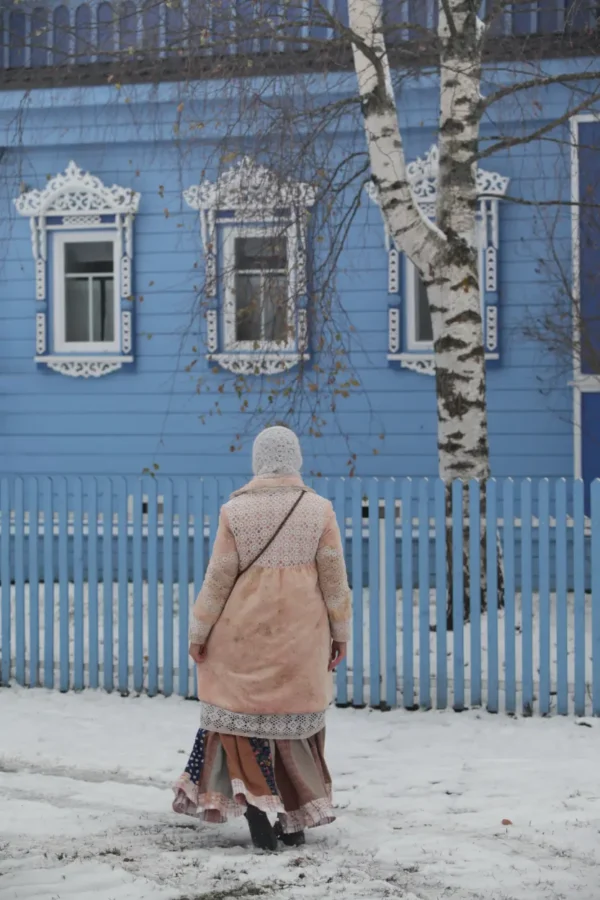
Another unique and interesting Romanian tradition is Babele (which is the Romanian word for “the old women” – but it’s not considered polite, so don’t start calling older women “baba”!)
Either way, this celebration takes place during 1-9 March and each day is important, as it foretells the future. Yes!
The tradition has it that Baba Dochia, who brought in the winter, starts taking off her 9 winter coats, one per day, starting March 1st, as the weather gets warmer.
Even more, you can choose any day during the celebrations to be your “Baba”. You can either choose this randomly, by selecting the date you were born (if it’s during the first 9 days of any month) or based on the day of the week you were born.
Either way, the weather during the day you choose to be your Baba will tell you how the coming year will be. If the weather is warm and sunny, you will have a good year ahead.
If it rains or snows, or if the weather is generally bad, you’ll have a bad year ahead.
Since there’s no mention about looking (or not looking) at weather forecasts on your mobile phone, you can modern-day cheat your way a bit for this tradition.
Winter Season traditions in Romania
There are various winter holidays and Christmas traditions in Romania that have been passed down from generation to generation and have been enriched from year to year.
While not all these are unique to the country, they have been at least adapted to fit the national values and, well… traditions.
Ignat (the Pig Slaughter)
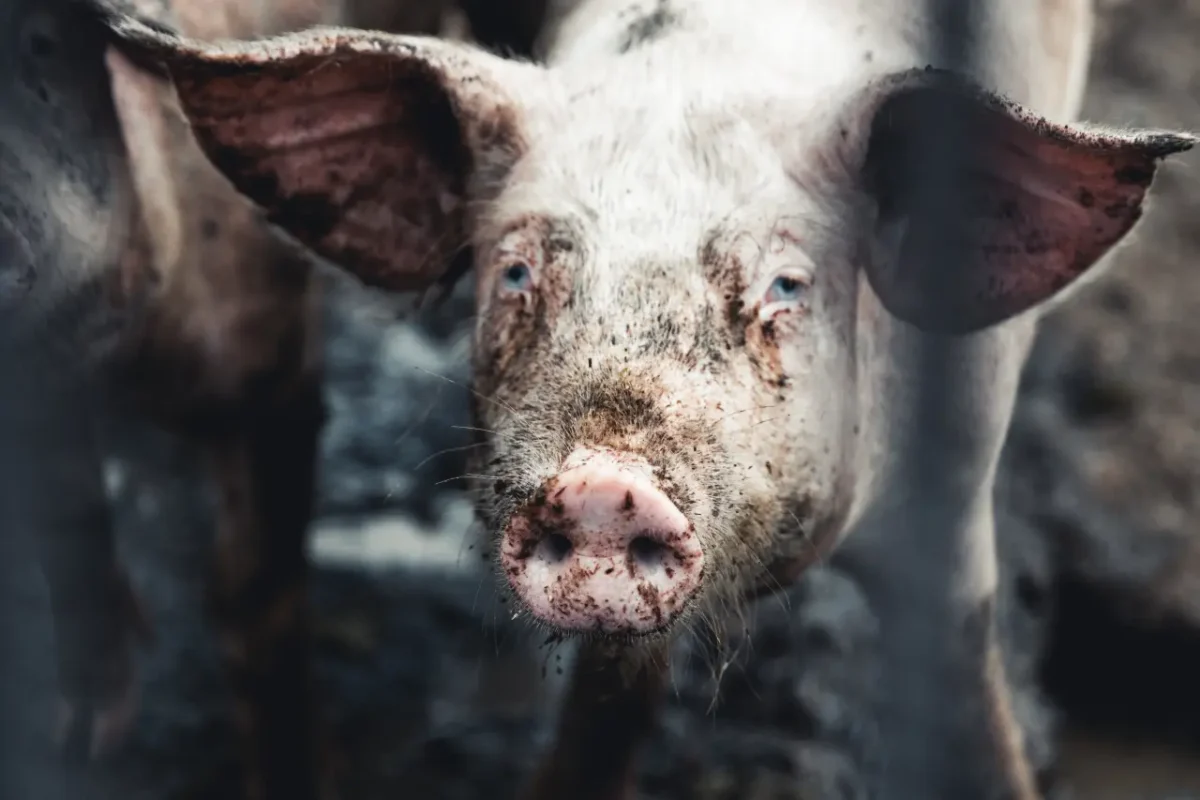
If you’re in Romania around Christmas, you might witness a tradition that’s a bit graphic, but highly authentic, usually happening in villages.
On December 20th, rural Romanians celebrate Ignat by traditionally slaughtering a pig for the holidays. And most still use the traditional ways of dealing with the poor animal (I won’t go into the details, but it’s pretty rough).
Ignat is a massive event that usually brings together the entire family and some friends who witness and take part in the slaughtering of the pig.
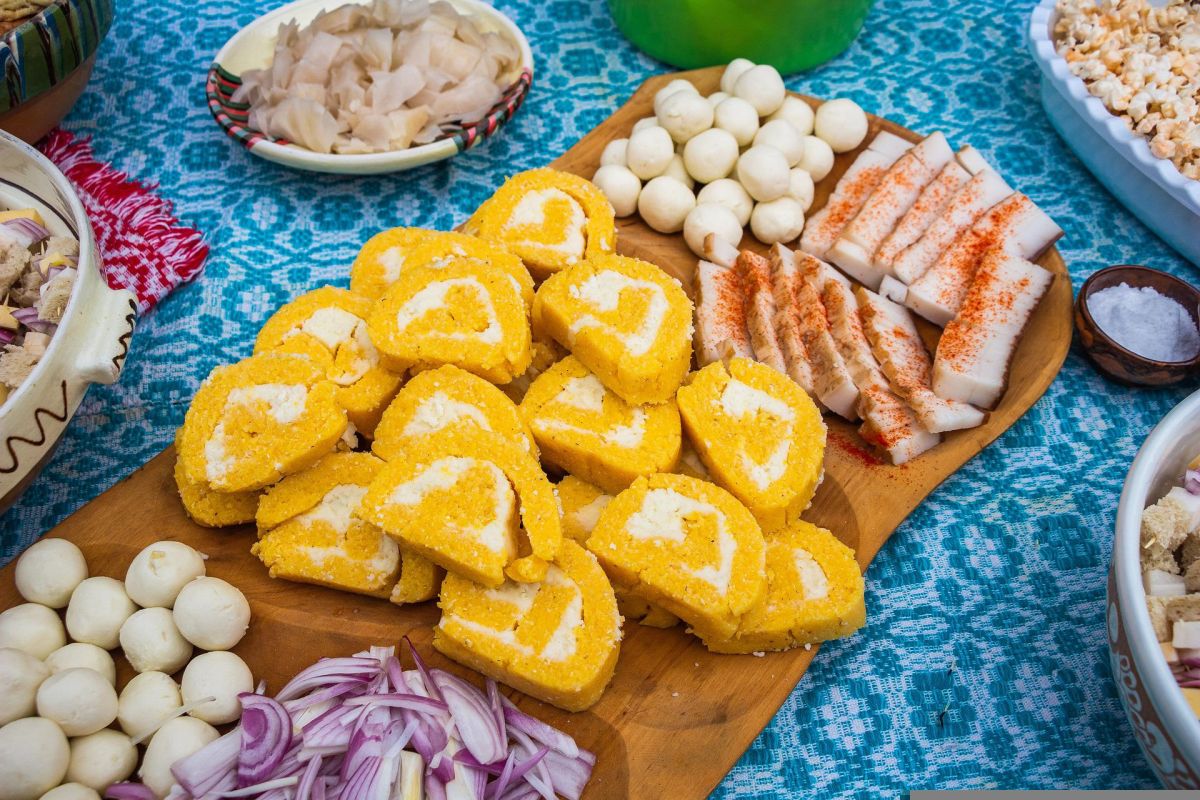
Immediately after, a feast follows, called “pomana porcului,” to thank the animal and celebrate the upcoming Christmas meals. Expect a huge meal with fresh meat quickly cooked and served with polenta.
Good ol’ Santa Claus
Every year, the little children, like in other nations, wait for old Santa Claus, who arrives with a quiver full of gifts for children who’ve been nice during the past year.
Back in the communist days, Santa’s Claus name was changed from Mos Craciun (translated as Old Man Christmas) to Mos Gerila (Old Man Frost), in the leaders’ quest to erase any religious connections to the celebrations.
Years after the fall of the communist regime, many people still called Santa “Mos Gerila” but I don’t think anybody still refers to him like that today.
Mos Nicolae (Saint Nicholas)
While this might seem a bit confusing, we also celebrate Saint Nicholas in Romania, every year on the 6th of December.
This is considered as a “lesser” Santa Claus, as it’s also a custom for kids to receive gifts during this time.
But, unlike Santa who usually brings toys and plenty of gifts, Mos Nicolae brings fruits and sweets, and leaves then in your shoes.
Therefore, the night before the 6th of December, everybody has to clean their shoes in order to leave a good impression and hope for more and better gifts from Mos Nicolae.
Christmas carols and winter dances
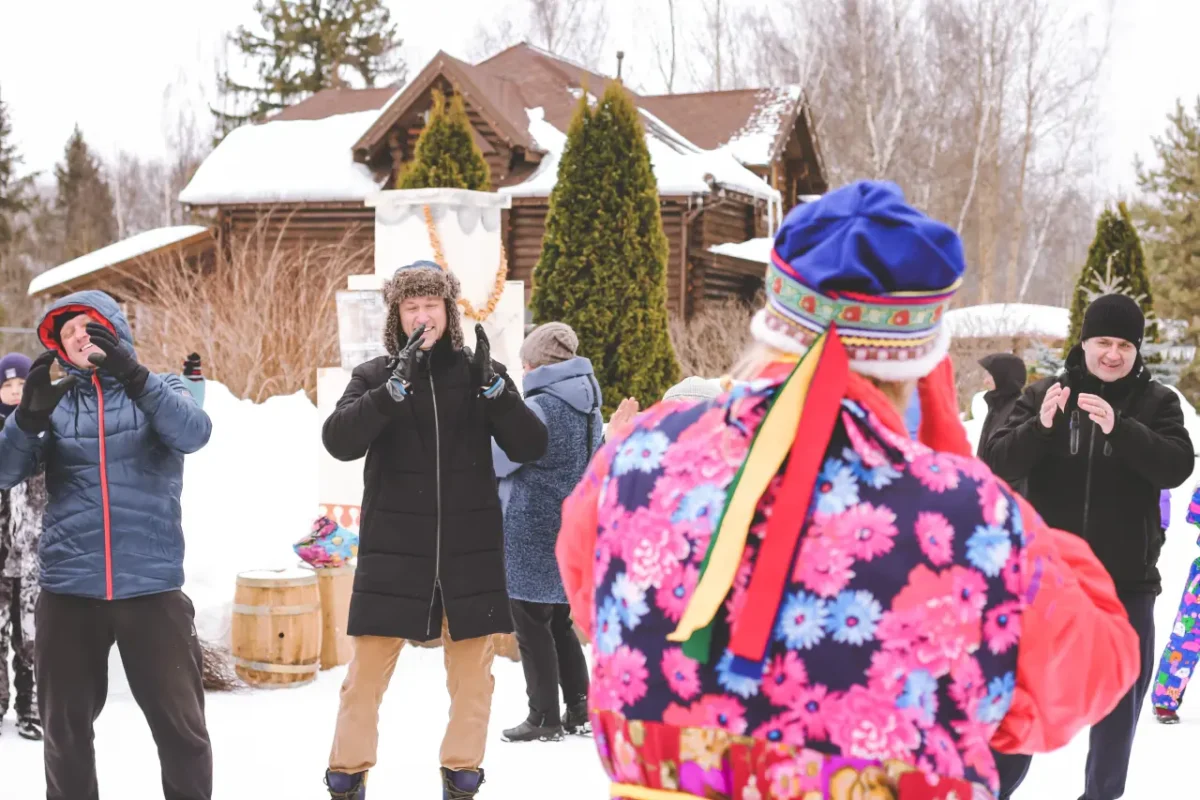
Caroling is one of the most treasured Christmas traditions. On the first day of Christmas, carolers walk from house to house with a star in their hand, announcing the birth of Jesus to the people with songs and poems.
It is stated that whoever does not open the door to carolers will have an unsuccessful year and bad luck in the house as a result of his stinginess.
Now that’s a good way to convince people to open the door (and then reward the singers with money or other goods and goodies)!
As a result, nowadays we have “professional carolers, ” people who start performing these songs well before Christmas and up to the New Year, visiting as many houses as they possiblu can.
In the Maramureș area, adults also go caroling, not only children. They are received by the hosts and treated with cakes, sausages, pork dishes and traditional alcohol like Tuica.
These sometimes go hand in hand with loud, spectacular dance (which can also be standalone traditions): the Bear Dance (Ursul) and the Goat Dance (Capra).
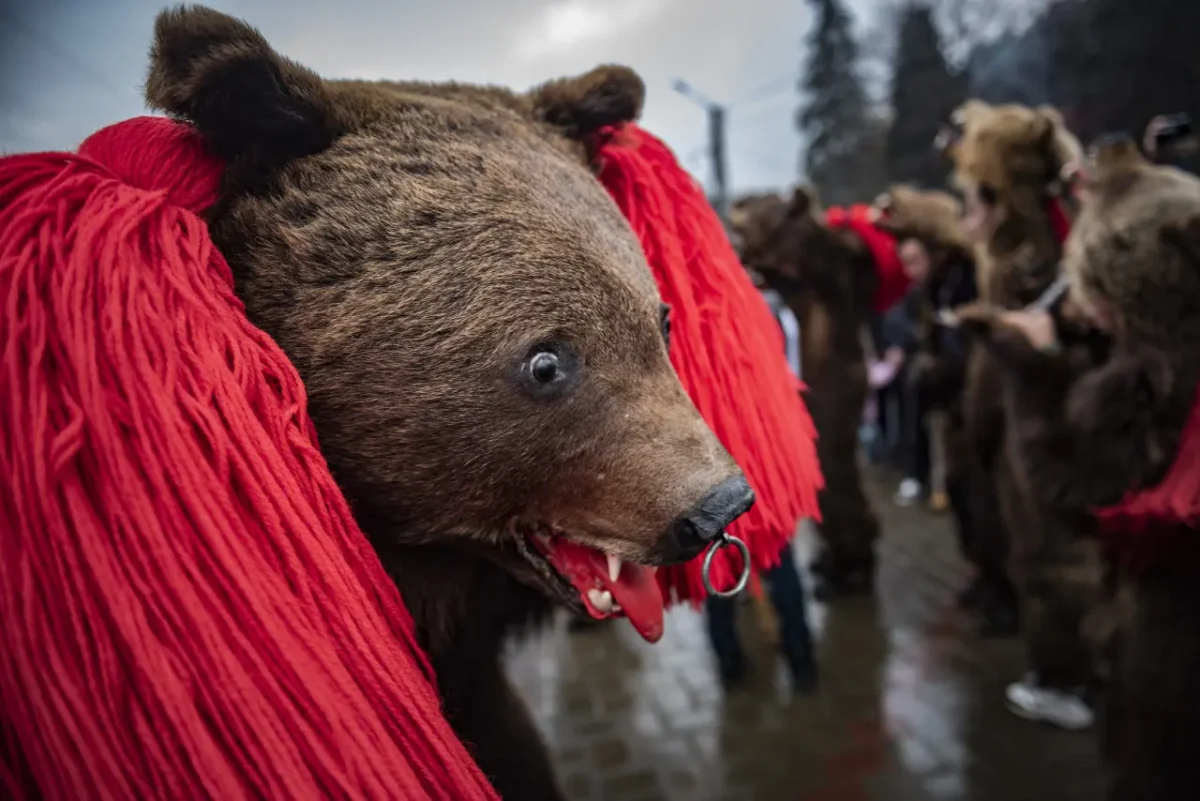
Between Christmas and New Year’s, people dress in heavy, authentic bear pelts or highly decorated goat costumes with snapping wooden jaws, and dance through the streets to the deafening beats of drums.
The tradition says that this will ward off evil spirits, so prepare to see packs of dancing bears blocking traffic and expecting some sort of payment for their good deeds.
Mistletoe above the door
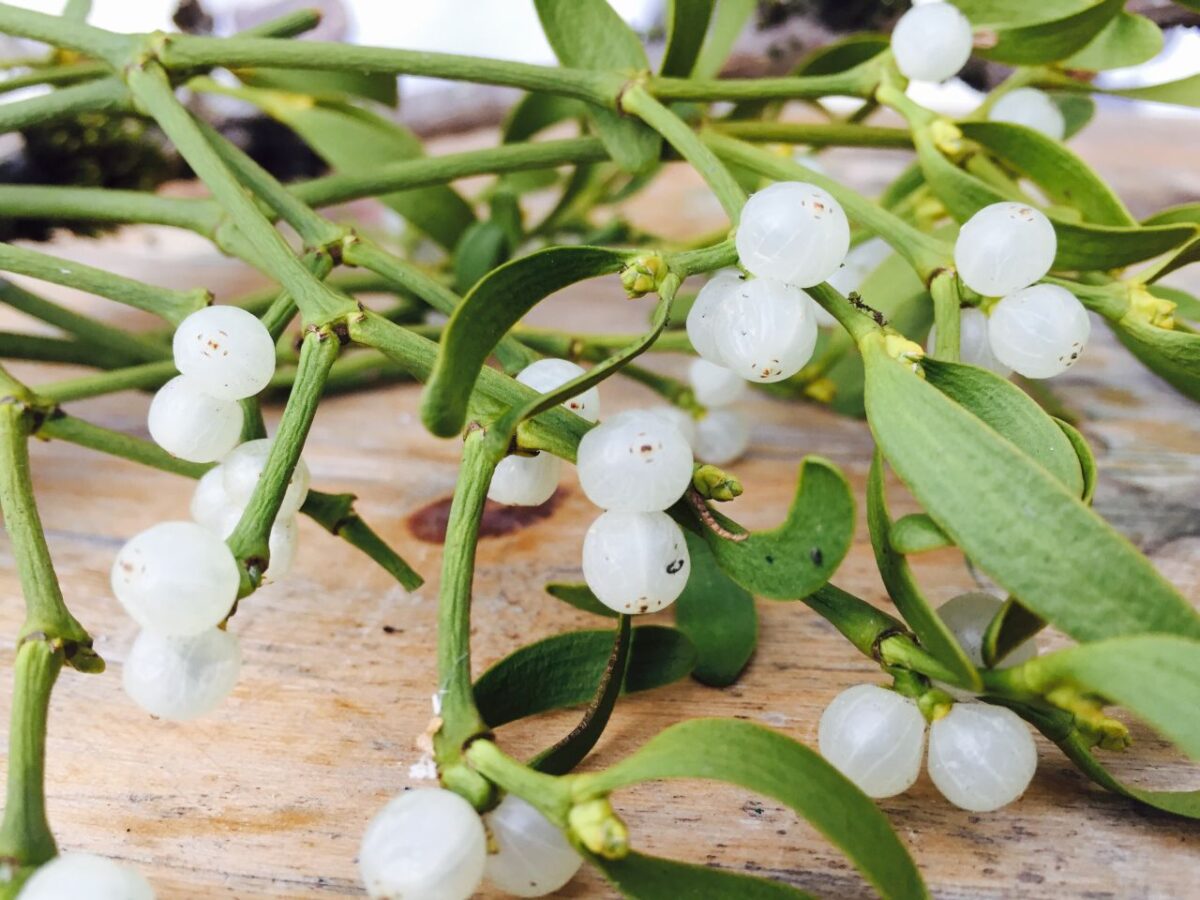
Another common tradition is to hang a sprig of mistletoe above the door frame. Mistletoe appears in many cultures, and its origin is unknown.
According to Christian-Orthodox custom, the person who places mistletoe in the house will have a prosperous year, happiness, and harmony in the family.
Also, during the New Year’s celebration, if two people happen to be under the mistletoe at the same time (which can be moved for the occasion in an easier to reach area), will have to kiss.
Reading the future
Anyone who would like to know how their health will be in the future year should chop an apple in half on Christmas Eve. If the fruit had worms, it was believed that the person would be followed by sickness.
There is another tradition that involves reading the future, specifically tied to St. Andrew’s Day.
On November 30th, people plant some grain seeds inside their house in a recipient. They have to care for the wheat until at least New Year’s Eve. The higher and nicer it grows, the better your next year will be.
Keeping the house clean
Housewives know that the whole house must be cleaned a month before Christmas.
After that, they are no longer allowed to sweep, because an old superstition says that this is how luck is driven out of the house. Of course, modern Romanians don’t follow this tradition, but it’s still well known.
You’re also not allowed to throw any trash away on January the 1st, for the same reason.
New Year’s traditions in Romania
Since the Roman Calendar, the beginning of the new year has been celebrated with big parties.
The New Year’s Eve meal must be the most lavish, champagne glasses are clinked and fireworks are set off.
Firecrackers banish the evil and old from the ending year, and candles light up the new year to begin on the right foot.
Tradition says that on New Year’s Eve you must wear new and beautiful clothes (including – or especially – red underwear for good luck) and have money in your pockets, so that the new year does not catch you poor.
It’s also good to know how to wish somebody a Merry Christmas or a Happy New Year – so make sure to read my article on that topic also.
Sorcova
The Romanian “sorcova” is basically a small wooden stick decorated with paper flowers.
On January 1st, children in Romania visit adults and wish them well, while gently hitting them with the Sorcova on the shoulder or head.
There’s a short poem that they must recite – wishes of good health and prosperity in the new year – and for that, the children receive money generally. Probably in the past it wasn’t money, but food items and such.
Romanian wedding traditions
Extremely numerous and varied customs, traditions and superstitions are inherited in Romania, which must be strictly followed by the bride and groom if they want to have a trouble-free marriage.
I wrote more in depth about weddings in Romania in another article and you probably know that we didn’t follow most of the traditions. Now it’s time to learn them all!
The day before the wedding, the decorations for a wedding tree are prepared at the bride’s house, and on the morning of the wedding, this tree is decorated with ornaments by the young people present at the event.
It is brought on the wedding day to the church, and then it will be placed at the home of the bride and groom.
Those who pass by the house in the coming weeks or months will know that a newly married family lives there.
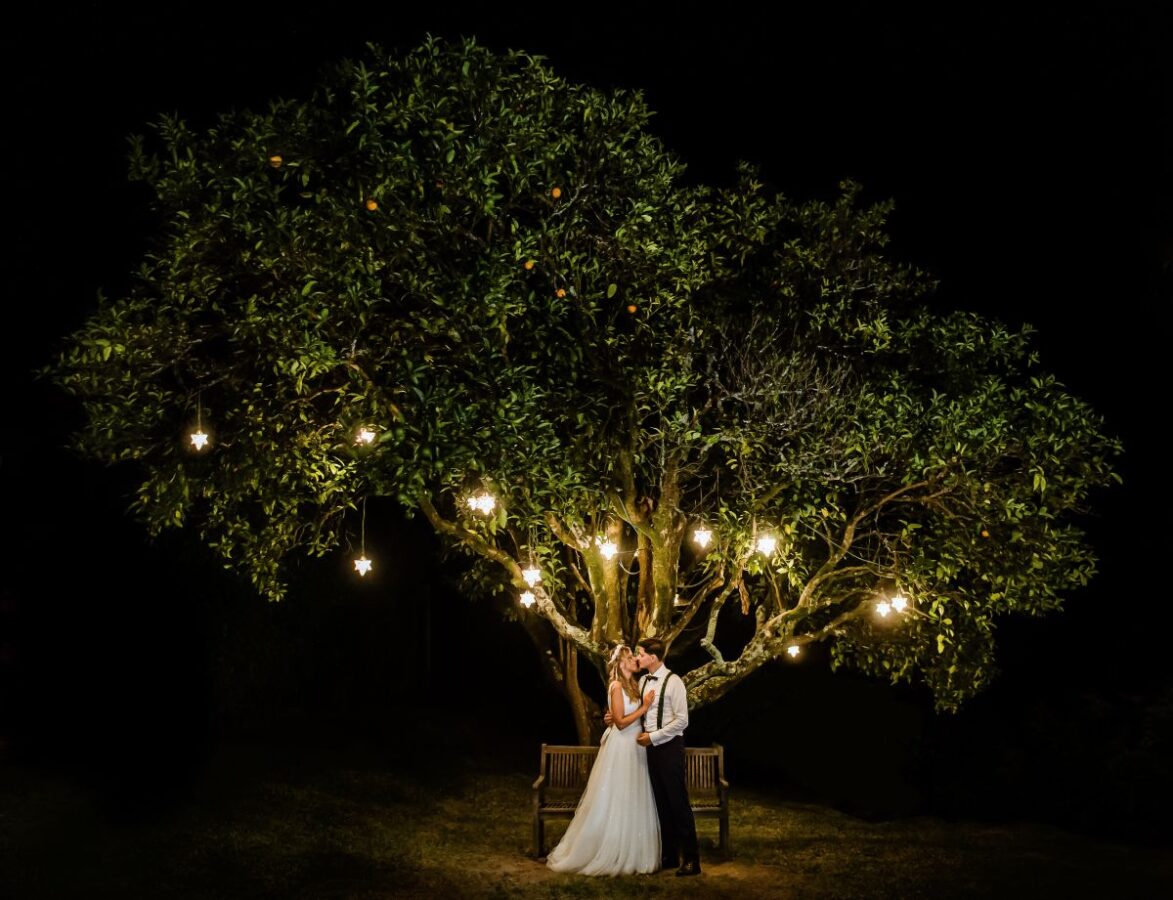
It symbolizes the vigor, freshness, and abundant life of the two young people. The tree is usually a pine tree, so feel like it’s Christmas all over again!
It is also said according to the Romanian tradition that the bride must not turn her head back on the way to the church, so that she does not regret getting married.
Also, when leaving the church, the groom must not separate from the bride until returning home. That way they will never come apart from each other.
There is also the tradition of throwing candies, wheat and rice over the bride and groom in the church and when leaving the church. This custom brings good luck and prosperity in the lives of the newlyweds.
During the weeding party itself, we have the tradition of stealing the bride (for whom the groom and usually Godfather have to “pay” a ransom ranging from money – rarely done nowadays – to bottles of whiskey or all sort of funny dares).
However, it is very difficult to follow every single wedding custom and tradition. On the one hand, due to the multitude of traditional practices present in each area of the country, but also to the differences from one region to another.
You can choose among them those that you consider more attractive and more compatible with the event you are about to organize, but all of them can be an interesting experience.
Wrapping Up
Romanians are extremely proud of their heritage. They tell travelers and tourists all about their home region’s customs and parents make sure their children practice or at least know about them.
Of course, there are many other traditions here in Romania – and you might know of some also. I will gladly read about them and maybe feature them in the article in future updates.
So if you know of any additional Romanian traditions, share them with us in the comments section!
Love reading Romania Experience? Support my work on Patreon to help fuel future guides, constant updates, and get ad-free access as a thank you!

I am a journalist and local expert who has been documenting life in Romania since 2013. Based in Constanta (after living in Bucharest and Drobeta Turnu Severin), I provide up-to-date, on-the-ground advice for expats and travelers. My articles are based on real life experiences and plenty of research – from paying Romanian bills to exploring the wild “Rawmania” countryside.
Hi, Calin. You briefly mention horoscopes. This explains why the woman with the black helmet hair continues to have a job in the morning on ProTV. LOL!!!
My favorites of the traditions are Mărţişor, where I get to give the little talismans to my wife and friends and, though you don’t mention it here, St. Nicholas Day, where we place presents in our loved one’s shoes to be found upon waking.
Hello! Yes, I think that Neti Sandu (the lady with the horoscope) is basically the face of horoscope here :)) You are right about St. Nicholas Day – it seems so natural to me that I forgot it’s something only done in Romania.
What about petting a lamb on New Years Eve? Before COVID, my friend and I were in the Old City Centre in Bucuresti for NYE – several young people (early teens probably) were walking around carrying lambs for people to pet. Apparently this is some sort of good luck ritual – but only if you pay the person for the privilege of petting their lamb. If you pet and don’t pay, you’re cursed for the next year.
Hahaha, indeed! Forgot about this one also. Saw fewer and fewer people walking with lambs to pet in recent years, but indeed something that we do here 🙂
Hey, thanks for this lovely post. Do you by any chance know the symbolic meaning of giving a stranger a white rose in Romani culture? A long time ago a young Romani lady dazzled me with a radiant smile and handed me a single fresh white rose as we walked past each other at a bus terminal in Manchester. She was with other people and she seemed very shy. I’m a woman like her and we were complete strangers, just to give you context. This has stayed in mind for the past 15 years. It was such a beautiful unexpected moment.
I am sorry, but I am not familiar with Romani traditions…