
People from around the world are looking at Romania and thinking, “Maybe this could work,” when it comes to potentially retiring here. And of course you’re tempted to think this way: low cost of living, natural, unspoiled beauty, friendly locals, an EU and Schengen country… but is there any catch?
In today’s article, I will help you decide by sharing the Pros and Cons of retiring to Romania. Remember – I’ve lived most of my life here, I’ve been blogging about this country since 2013, and I’m always trying to be unbiased and show you the truth, without any hype.
The Short Answer
Romania is a great place for retiring if you’re an EU citizen, or if you can get creative and find a way to live here long term otherwise.
Biggest Pro: The low cost of living helps you enjoy your retirement better than in more expensive countries, with Western-like quality in most areas.
Biggest Con: There’s no retirement visa for non-EU citizens, so prepare for some serious paperwork and creativity if you want to stay long-term.
But there is a lot more than just these factors to consider, so keep on reading to understand the big picture.
Pros of retiring to Romania
I always like to look at the good things first, so that’s exactly what we’re going to start with. As you’ll see, there are solid reasons why expats, retirees, and digital nomads are drawn to Romania.
1. It’s Still Affordable, by Western Standards
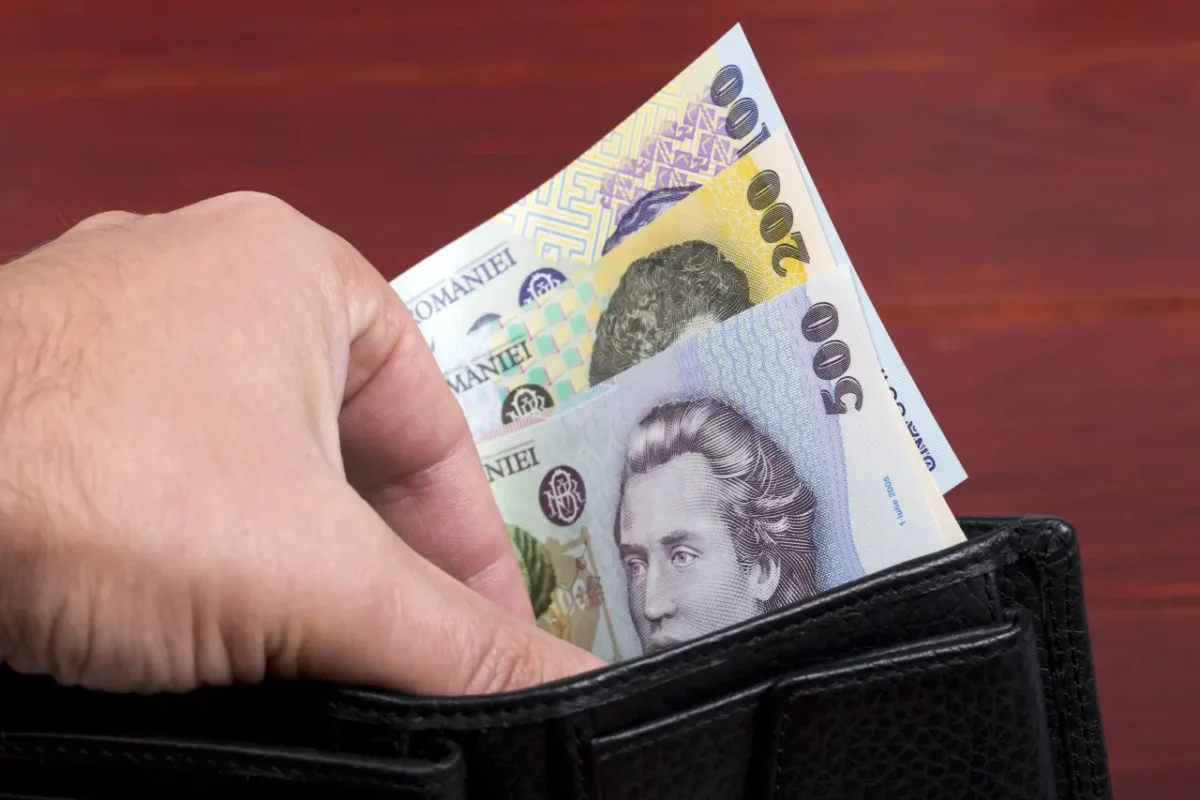
Compared to Western Europe, the US, Canada, and Australia, Romania is still affordable, even though prices are higher than ever – and so is the cost of living.
You can check out my actual monthly expenses in Romania here, as well as the article about general prices in Romania, to better understand what you might be spending.
But the bottom line is that a single person can still live a decent life on a budget of around €1,500 (or USD) per month, although not like royalty, as it was back in the days. Still, this remains a low amount compared to what you’d have to spend elsewhere.
2. Housing and Rent Are Still Reasonable
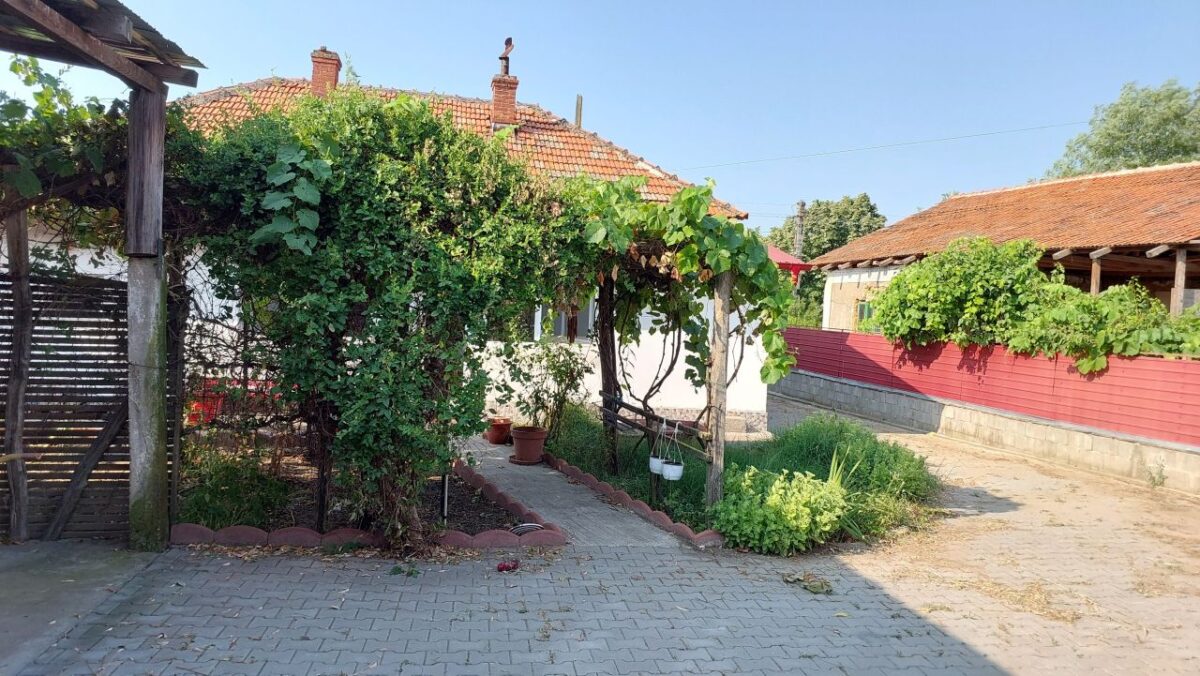
While this goes hand in hand with the reason above, I wanted to highlight it to make it clear that one of the most important monthly expenses – rent (or mortgage) is a lot lower in Romania than it is in the rest of the world.
While buying a house in Romania, at least in the major cities, is unlikely for under €100,000, you can still find amazing deals in smaller towns or villages and overall pay a lot less than you would in other parts of the world.
In smaller cities, you can still find a one-bedroom apartment for as low as €50,000, while renting one can cost as little as €350 per month. Even in the larger cities, you can find good one-bedroom apartments for around €500 per month.
If you want to scout the market a little bit, check out my article recommending the best websites for renting, but also my cautionary tale based on the €5,000 house I bought in a village.
3. Safety Is Basically Guaranteed
Romania is, by most standards, a very safe country. Violent crime is rare, and gun violence is practically unheard of. The biggest issue you might face is petty theft (like pickpocketing in crowded areas), not getting robbed, shot at or any other type of life-threatening situation.
Even with the ongoing war close to our borders, you should not be worried at all.
I wrote more in-depth about Romania’s safety in this article, if you want to get all the details in one place, but the conclusion remains: it’s safe!
4. English Is Widely Spoken & Understood
English is the main second language taught in schools (or at least the third one), so most people should have at least conversational skills in English.
Maybe you won’t be able to start a philosophical conversation with all Romanians (in English), but small talk would be OK.
Things change in the villages where most of the older people won’t speak English… but even so, you still have higher chances of being understood by at least some.
Other languages are spoken by some, including Italian, Spanish, German, or French… so it won’t be too difficult to have a conversation with locals. And if you want to impress them a bit, I’m teaching you some Romanian greetings and expressions here (or learn how to say I love you in Romanian, because love has no age!)
5. Movies Are Not Dubbed
While this is not a “make it or break it” type of Pro, it’s definitely nice to know that movies and foreign-language TV shows are generally not dubbed.
There are some exceptions – most animation movies and shows made for kids are usually dubbed, while cinemas also offer dubbed movies together with undubbed options.
All have subtitles instead, which is really helpful if you’re also looking to learn a bit of Romanian yourself.
So you won’t have any trouble understanding Home Alone 1 and 2 every year around Christmas (you’ll see that Home Alone is the traditional Christmas movie here).
6. Romanian Cities Are Walkable
Say goodbye to fuel costs if you decide to retire in Romania! Except for Bucharest and some of the other major cities like Cluj-Napoca, Timisoara, Brasov or Constanta, cities are walkable.
Even in the larger ones, if you live in a central location (or in a good area with everything nearby), you will find that walking is the norm. For example, when we lived in Constanta for two years, I barely drove my car and walked instead, everything being at most 20 minutes of walking away from our apartment.
Now, for example, we live in one of the most underrated smaller cities in Romania – Drobeta Turnu Severin – and everything is within walking distance.
So, pick your living area wisely and you’ll not only save some money from not needing a car, but you’ll also stay fit during retirement.
7. Romanian Food Is Delicious
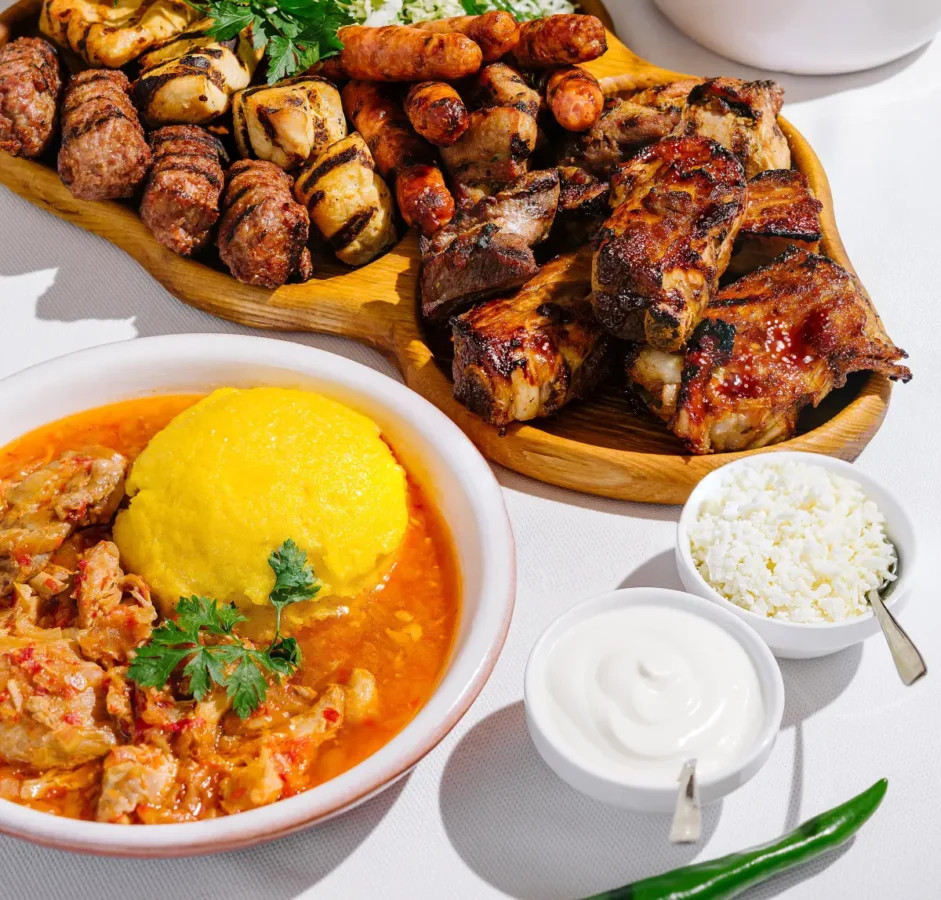
Traditional Romanian food might not always be healthy food, but it’s tasty and affordable. If you enjoy pork and chicken as the main meats, as well as potatoes and hearty dishes, you’ll love our food!
And if you want to know exactly what you’d be eating – including local staples like Sarmale, Mititei, Ciorba de Burta, and more – check out my article detailing the tastiest traditional Romanian foods.
8. Romanians Are Friendly Towards Foreigners
You will see that Romanians are friendly towards foreigners, especially those from the US (the American Dream might be over for some, but it’s still pretty much alive generally).
Locals won’t shy away from going above and beyond to make you feel welcome. All expats I have talked to after making the move to Romania admitted to being happy and surprised at the same time with how great hosts the people here are.
It’s not uncommon for them to take you to their home and set up a feast for you just because you are a foreigner and you have to feel welcome (this would happed mostly in villages, but still good!)
9. Private Health Care Is Affordable & High Quality
Although you’ll find the “state health care” part in the cons below, private health care is a different story – affordable, high quality, similar to what you’d expect in Western countries.
A visit to a general doctor will cost around €40, while monthly subscriptions are available starting at around €60 per month. Overall, expect to spend a lot less overall on health care in Romania than you would in most Western countries.
Most Romanians I know living abroad usually schedule their check-ups and especially dental procedures in Romania, no matter where they live, and they’re always satisfied. Even medical tourism is becoming a thing here because of the good quality of the services.
10. Romania Is Beautiful
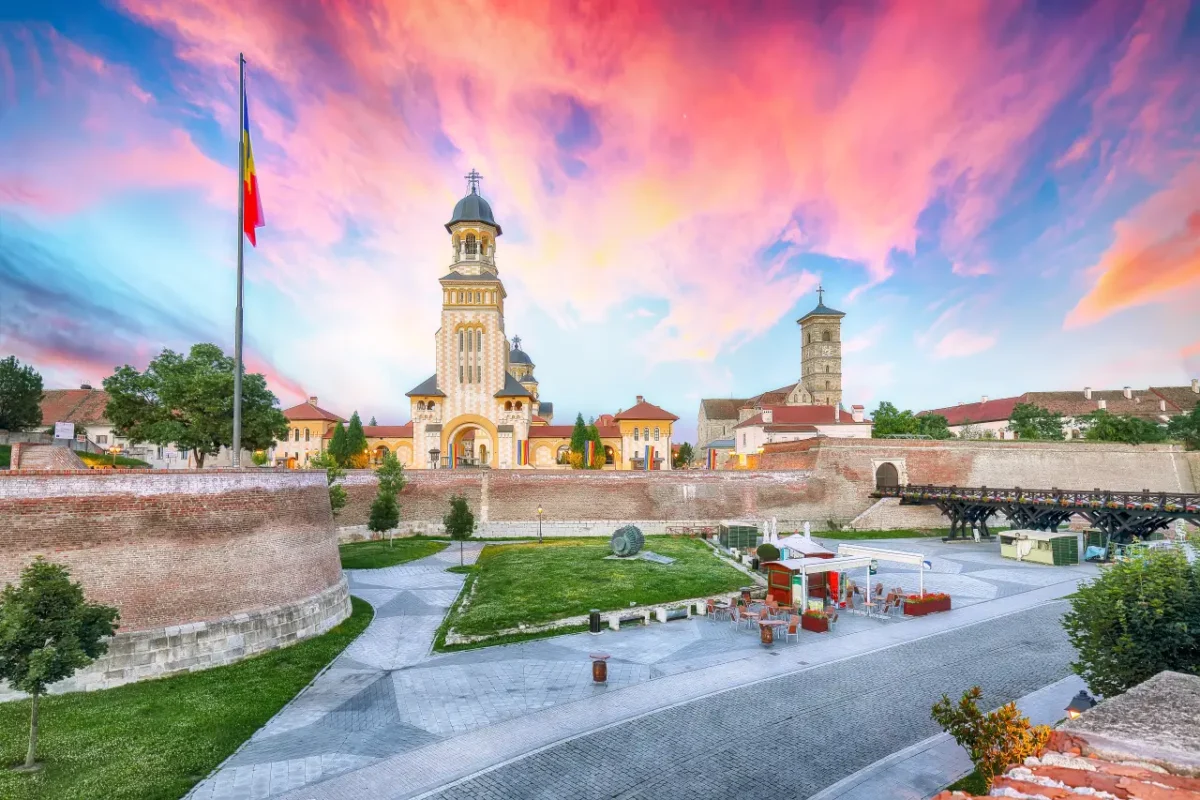
Romanian villages are as raw and traditional as possible, even though you will still have great internet and mobile signal, and, generally speaking, all, if not most, of the amenities of the modern world.
Our reader Angela spent some months in a village in Transylvania and shared her experience – make sure to read that piece, it’s pure gold for any foreigner looking to retire to Romania (or just spend a few months here).
The country also has 7 UNESCO World Heritage sites, the best preserved delta in Europe (Danube’s Delta), the largest rock sculpture in Europe (a 20-minute car ride from my city, so make sure to leave a sign if you visit!), and much, much more.
There hasn’t been a single person visiting from abroad that wasn’t blown away with the country’s natural beauty.
11. Fast Internet & Tech-Friendly Living
You probably know that Romania has super-fast internet, which is widely available and extremely affordable (expect to pay around 16 Euros/month for a TV + Internet + Mobile combo with 1GB speeds, unlimited traffic and hundreds of included channels!)
This is a big plus, especially for retirees who want to keep in touch with family, stream TV/movies without hassle, or even get some online work done.
12. Easy Access to the Rest of Europe
Now that the country is also a Schengen member (since January 2025), Romania is a perfect travel hub for Europe and other destinations.
There are plenty of low-cost flights available to all European countries, but also Turkey, Egypt, UAE and more. Depending on where you live, you might also be a short train or bus ride away from Hungary, Bulgaria or Serbia. For those who want to explore Europe in retirement, this is a real bonus.
Cons of Retiring in Romania
Of course, it’s not all sunshine and cheap sarmale. Like anywhere in the world, there are some potential downsides that you have to consider before coming here.
While some are nothing but minor annoyances, some might be true deal breakers, depending on your situation (and usually – country of origin). Let’s check them all out below!
1. No Retirement Visa Options for non-EU Citizens
This is the single biggest headache. If you’re coming from outside the EU, you won’t find a dedicated retirement visa here. That means you’ll need to get creative to secure long-term residency.
(EU citizens have it easier, as they can move freely and register their stay with little hassle – read my article detailing how to do it here.)
But if you’re coming from the US (or any non-EU country), you will need to find alternatives, none of which are easy to go for.
One option would be the digital nomad visa (still difficult and not a solution for long-term stays). Another would be opening a company in Romania for Visa purposes – the main way for non-EU citizens to get their residence permit until recently, when changes made this approach difficult unless you’re genuinely planning to open a company.
There are other options available – like family reunification or marriage – but they’re all difficult routes to follow. I wrote more in-depth about the process of getting your residence permit in Romania here, so make sure to check it out.
2. Corruption is still present

Although this wouldn’t directly impact you as a retiree, it’s worth knowing that corruption is still present in Romania, although things have improved a lot over the years.
But you might find out that offering a gift to state employees might still ensure that you are at least served in time, if not better than those who give no gifts.
The “good” thing is that the people who expect such “gifts” will usually say it outright, so you won’t have to wonder if you’re expected to give something extra or not. And even better, their numbers are dwindling.
In most cases though, you won’t be expected to bribe anybody in order to get things done, but have in mind that there’s still a small possibility that you might have to.
3. Customer Service Is Usually Poor
Don’t expect to walk into a store and be greeted by a smiling salesperson. That will usually not happen, even in restaurants or pubs where people depend on your tips.
Customer service sucks in Romania and smiling is not common here. You will be surprised that in most cases, people you interact with – stores, restaurants, official buildings, doctors, anything – will be outright rude and lacking manners.
There are exceptions, and things are improving, but you’ll need patience and sometimes a thick skin.
4. Public Health Care Is Generally a Miss
Public hospitals are generally in a bad shape, are poorly equipped (and have old equipment), and are generally understaffed and overcrowded.
Plus, there’s always the chance of you getting a hospital-acquired and potentially life-threatening infection there (one of many sources here).
These are usually related to surgery though, so risks for getting them are minimal if you just go there for routine checks or other problems.
Still, the public health care system is still pretty much terrible in Romania (although it is improving) and most likely you will do much better with a private clinic or hospital which offer an experience much closer to what you’d expect to get in Western countries.
5. Low to No Job Opportunities
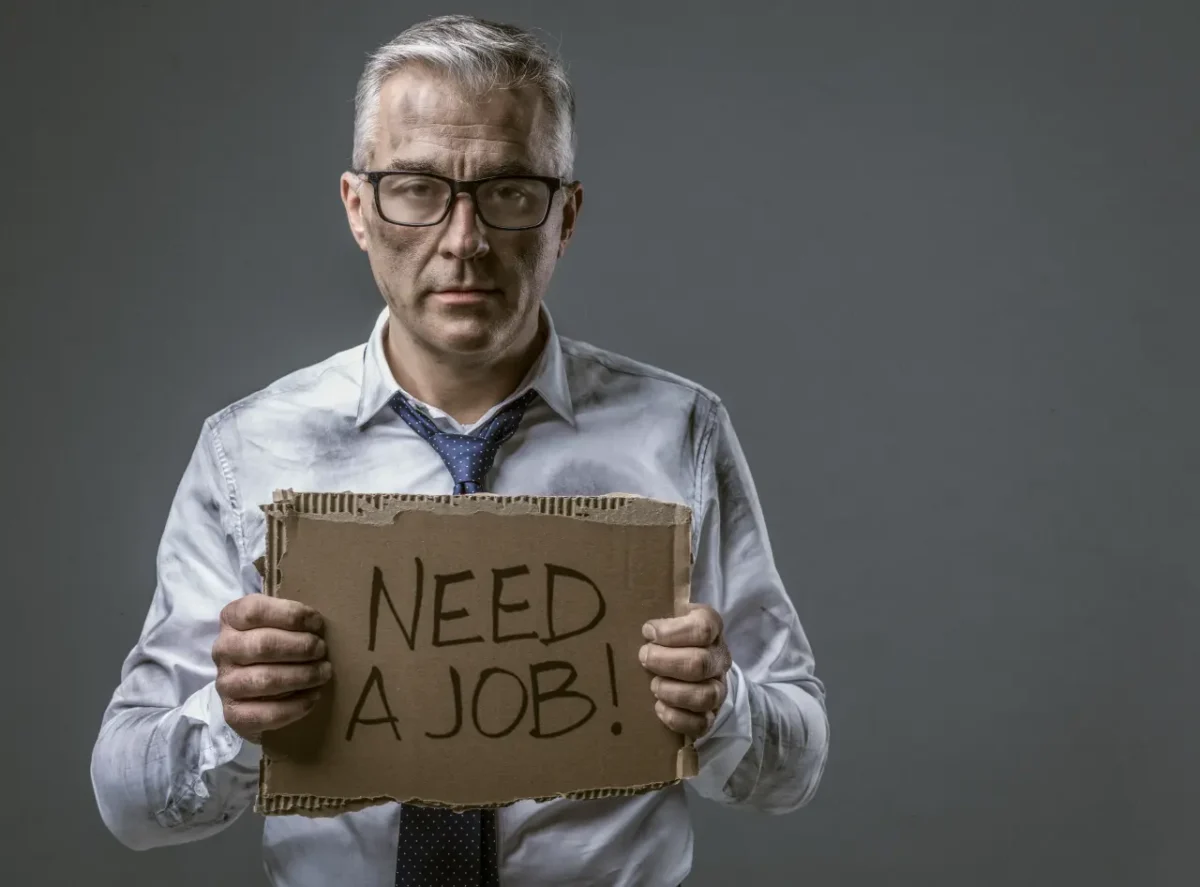
If you’re retiring to Romania, this shouldn’t be a real problem, but don’t expect to be able to make much extra income here unless you have an online/offline business elsewhere.
Although minimum and average wages are growing in Romania, they are still low by Western standards.
And unless we’re talking about a job as a teacher (native English speakers are highly sought after right now!), finding a job will be difficult – especially one that is paid well and doesn’t require you to speak Romanian.
6. Public Transport and Infrastructure Need Work
Public transport can be frustrating: old buses, rare air conditioning, delays, and crowded conditions are common. Trains rarely run on time, and driving can be a test of patience thanks to road conditions and parking shortages.
Just like with most Cons listed here, things are improving, with some cities doing a lot better than others, but for the most part – be prepared for crappy infrastructure. An extra reason to take advantage of the walkability of most cities, find a good area and walk everywhere!
If you want to learn more about this, I recommend reading my guide to trains in Romania, as well as my guide to public transport in Bucharest. And, if needed, how not to get scammed by a taxi here.
7. Air Quality Issues in Larger Cities
Many cities, especially Bucharest, suffer from pollution and poor air quality all year long, but especially in winter.
I wrote an article detailing the poor air quality situation here, but the bottom line is that if you have respiratory problems or if you simply want to breathe clean air, many places in the country will become off-limits.
8. Underdeveloped Elder Care Services
While private healthcare is really good, specialized elder care homes, in-home nursing, and assisted living options are not as widely available or regulated as in Western Europe or North America.
This might become a concern as you age, if you need additional help, although the situation is improving, especially in the larger cities, and it will surely get better as years go by.
Conclusion
Based on the Pros and Cons listed above, you can now decide whether or not Romania is the dream destination for retirement. I personally believe that the Pros outweigh the Cons, but for non-EU nationals, things might be a bit too complicated.
What do you think about the list above, though? Good enough reasons to retire to Romania, or are the cons deal breakers? Let me know by sharing your thoughts below!

I am a journalist and local expert who has been documenting life in Romania since 2013. Based in Constanta (after living in Bucharest and Drobeta Turnu Severin), I provide up-to-date, on-the-ground advice for expats and travelers. My articles are based on real life experiences and plenty of research – from paying Romanian bills to exploring the wild “Rawmania” countryside.
Thanks for the great information with regards to retirement options in Romania. I will have to do some homework and check out Bucharest. I am looking for an affordable home base for the ability to travel Europe and see as much as I can. Many other countries I checked (Germany, Austria, Denmark, and Malta appear to be expensive with lots of hoops to jump through to relocate. The big 3 are affordability, health insurance and enough English speakers to be able to buy food and live without a full time interpreter. I have a monthly income of 5K and savings of 50K. I am 63 and need to find out if the wanderlust is possible or just a pipe dream. Our current leader in the USA is a bad omen of more bad things to come. I want to enjoy what time I have left. Any insights (brutally honest are best) would be appreciated. Single man, no kids, wife or anything else. Thanks again
Hello David,
While Romania would definitely be a good choice, $5k per month would allow you to live a good life in most places in Europe, including Germany and Austria. It’s true that, with that amount of money, you would live like a king in Romania and enjoy all the luxury. It’s never too late to make your dreams come true!
Hello David Gaither,
I am a Romanian lady living in Canada for now, but I am planning to go back to Romania. My advise is . look for some nice places in Transylvania or North Transylvania. The places are mirific and people are much different in comparison with Bucharest. Stay away from Bucharest. It’s just my advise. And believe me: I know what I say. Good luck!
Hi once again,
After three years’ residency in a different country, I really wish to retire to Romania. Knowing the place fairly well, I even know which town I want to live in! But still have qualms about long-stay visas (I’m American.) If one starts a business, I understand that helps and I might just do that- either in horticulture or perhaps historical costume manufacture (for re-enactments, LARP, etc.)- but on a very small scale. For housing, unsure whether to rent or buy. My monthly state pension is small at $472, but my savings is 50K. Any pointers? Number one on the to-do list is to find an English-speaking Romanian notaire or lawyer (?) to represent my interests as far as living in the country. I speak English and French, and a smattering of Romanian from past visits. Thank you very much for any help! Kate
Hello Kate,
As Otto writes below, there is an article about a family moving to Brasov and following the business path: https://www.romaniaexperience.com/moving-from-the-us-to-brasov-romania-the-experience-so-far/ – you can start there and read the follow-ups linked to from the article.
$472 per month is not a lot of money, to be honest, not even for Romania, as long as renting is involved. Buying property would be difficult as well since you will have to spend a minimum of 15,000 Euros for a studio in a small city. The other monthly costs add up (especially the ones that you have with your company), so even those 50k could vanish pretty fast. On the other hand, your business ideas are interesting and might work and make some extra money that would be just enough to help you live a decent life here without worrying about digging into the savings account…
Did you read his article about the American family that moved to Romania. They got a business “visa” and they talk a lot about the process and lawyers needed. You need to search this a bit to find the article. I hope you can live well what you have. It could be challanging as it sounds like $1,000 is more appropriate monthly income to live in Romania. I would highly recomend renting as owning and not being Romanian I believe is not allowed and even if it is.. it would be very hard as Romanians tend to see Americans as wealthy and will seek more money from you for all home repairs etc. Rental you can leave if you don’t like it and it is VERY reasonable pricing. Rent you don’t rent if they try charging too much. Good luck.
good article. If you’re willing to accept and understand the way of life in Romania, there’s no better place in the Balkan. We just bought a little farm in a village near Iasi. And hopefully we manage to organise our relocation in December. Everything is cheaper in Romania. For the price what we paid for the entire property, we can’t even buy a carport here in Germany.
Allthough it might seem a big step to retire in Romania as a foreigner; don’t think too much, don’t hesitate too much.. Just do it.
All these points are still true even today in a lot of countries. This applies for Spain as well. I don’t know if property prices will come down though, there are just so many people thinking, or have left “first world countries” for a better, simpler life and they will gobble up properties. The shift is very interesting to watch and experience.
Everybody’s talking about the “bubble” and the incoming crash for three-ish years already. Eventually it will happen, but I don’t think we’re in a bubble. Just prices going up, adjusting to inflation and the influx of foreigners. Curious to see how high they will go 🙂
I am a UK citizen thinking of retiring to Bucharest. Would it assist me if I marry my Romanian lady friend in allowing me to move permanently. Advice very welcome
Definitely, that would make things a lot easier.
Dear C,
You absolutely nailed all the Pros and Cons, great job, and a big thank you for taking the time to do so, as I know the info is very helpful to anyone considering retiring in Romania. I left Romania twenty years ago and am now a dual citizen. My husband, who is American, has fallen in love with Romania and would like us to consider it for our final destination. I think the idea is definitely worth our careful and thoughtful consideration.
The reason I decided to leave these comments (aside from extending our kudos and thank you for the great article) is for you and your readers to know what is my biggest fear for making this move, as someone who’s spent half of my life there, and half in the U.S. I wanted to share this with your audience, because it came as a complete shock to my husband. My greatest hesitation comes from what you greatly described as Romania’s very poor customer service!
Now, as my husband put it, you’d wonder why in the world this would be one’s greatest fear?!… I’ll try my best to explain. You see, growing up under the communist regime, followed by a decade of democracy, it was very easy for me to put up / accept / deal with the lack of customer service. One doesn’t know what they don’t know. However, once I visited a lot of other, more developed, countries and establishing my life in the U.S., thus experincing first hand what great customer service is like, I am afraid I couldn’t trade it for anything else, or at the very least I’d have a really hard time exchanging it for rudeness. If anyone is interested, I could give dozens of examples of poor customer service from my years in Romania both before my permanent move abroad, as well as during the frequent visits I have made since. The main point is, as an American accustomed with great customer service most of the time, after having experienced bad or lack of it all together, I fear this would negatively impact my golden years in Romania… That is why I’d caution anyone who cares about these things, to perhaps go visit a few times and determine for yourselves if this could be a deal breaker or not.
I’ll end re emphasizing that you absolutely “aced” describing all that Romania can offer in both the “good” and “bad” categories, thank you again for your post!
Thank you for your input, Amalia. It is indeed difficult when you have to face it on a daily basis, but at least it’s improving slowly so hopefully it will be sooner rather than later when this won’t be a problem anymore.
Besides not having an easy Visa process for retirees, Is Romania set up for retirees as far as receiving monthly Social Security payments to a bank? Is a retirees money safe in a Romanian bank? Corruption is mentioned.
Corruption is not a problem when it comes to banks and the banks themselves are safe, with a guarantee for funds up to 100,000 Euros in case the bank goes bankrupt (which never happened in at least 20 years)
I am an American Veteran considering retiring in Romania on a monthly income of $3500 per month. Would this be enough in Bucharest? Are there other cities I should consider? I am only 46 years of age and look to enjoy a quite area that still has the amenities of a larger city.
I lived in Romania for 4 years (2018 – 2022), in the tourism capital of the country (Constanța) and I can tell you that “nearly everyone speaks English” is the biggest lie propagated by EVERYONE in that country. I found that fewer than 3% of the population spoke any English at all, DESPITE the fact that it is apparently mandatory in School now, and of those 3%, fewer than 1% spoke it with any proficiency. Now, the interesting part is, those that spoke it well, would SWEAR that every Romanian spoke English. So… I started challenging my friends, lets walk up and down the boardwalk and try to find people that spoke English… they were shocked at the results. These tests were ran randomly and often, and were always the same– 2.85% spoke any English at all, .9% spoke it well.
2 more thoughts on this. I traveled throughout Romania on my 4 year stay there (2018 – 2022), and I thought Customer Service was, generally, TOP NOTCH. I was VERY impressed with the “go get it” attitude, especially true of the younger people. It was like the days of America in the 1960’s / 1970’s. Maybe you were just rude to the Romanians that served you? I had a great experience in that realm. Try learning a bit of their language, that helps; and it helps if you try to get to know a bit about them without taking too much of their work time. At least in Constanța and Bucruești, I found public transportation to be great. I did not really use it anywhere else. I mean, that would be like going to the smallest one horse town in America and looking for a rapid transit system… not even in the USA does such an infrastructure exist in smaller towns. Again, not sure what you did wrong…but to be fair… of all the faults I found (You were DEAD on about the health care), Transportation and Service were NOT two of them.
I’m sorry but the article’s pro’s are outdated – at best, delusional – at worst.
Cost of living – USED to be low, compared to European standards; not anymore. Groceries in Lidl – a supermarket chain present in various European countries – cost the same as in London, for example, where I lived before relocating to Romania a couple of years ago.
This is just one example – presented because it’s easy to compare the same products same size same producer in same supermarket and of same quantity. Please understand the magnitude of this… In London, UK, where the minimum wage is about 5x times higher than minimum wage in Romania, and where the average wage is 7x times than Romania.
Any sort of services – such as hairdressers for example, gym/ pool – are typically more expensive in Romania – than western Europe. In Romania it’s considered a big luxury to go to the gym and stay fit, only the rich people do that [I am not kidding, at all].
My unlimited monthly pool membership in London, UK, cost half of what the same subscription costs me in Iasi, Romania [not even the capital].
“Cities in Romania are walkable” – city centers, correction. The post-communist suburbs of Romanian cities aren’t even paved, and sidewalks are – if they exist – maximum 70cm wide and with parked cars on them anyway.
So please, give me a break with walkability… historical city centers sure are walkable, I agree – but so are ANY historical city centers in ANY European country… the difference is: outside of the city center.
And another difference: Public Transport – appalling in Romania – people rely on cars – that drive on undersized, poorly maintained, congested, dirty, roads – to reach anywhere beyond the very center of cities.
“Private healthcare is affordable” – really?! For whom?! Who wrote this article?! Perhaps a Computer Programmer – earning 6-7x times the average Romanian’s salary?! Give me a break…
“Everyone speaks English” – really?! Does your mother/ father – you who wrote the article?! Correction: everyone learns English in school, nowadays [but that is a very recent phenomenon].
That doesn’t mean they are good at it, master it, will try it, you’ll be able to get-by using only English – outside of major metro areas. In any case – it’s nowhere nearly as widespread as in the Nordic countries for example, Netherlands, Germany, and so on…
My fiancee is foreign, from outside of Europe, for that matter. For 3 months whilst in Romania – major cities [not the capital] – she barely found 5 people to reply to her in English. 5 people – in 3 months living in Romania…
“It’s safe” ?! Depends what you mean by that. There is a 12x times higher chance of being hurt in a car accident in Romania – than anywhere else in Europe. There is a 100x higher chance of being seriously hurt by stray dogs in Romania – than anywhere I’ve ever seen in Europe.
And I could go on… Sure – you won’t get stabbed and there are no terrorists – but that doesn’t make it “safe” per-say, only that there are other kinds of threats… such as the ones mentioned above.
“Romanian food is delicious” – arguably so. There are 7-10 dishes… usually very fat and unhealthy, and that can be found in most places in Eastern Europe/ the Balkans. We [I am Romanian, as you can probably tell] claim they are ours – for example “sarmale” – but so do the Serbs, Greeks, and many others…
How about diversity? How about when you get bored of those 7 dishes and want to taste something else? How easy it is to find let’s say an Indian restaurant in a random Romanian city [not capital, not Top 10]? Or a Mexican restaurant? etc. I will tell you how easy: almost impossible 🙂
And I can go on… but I will stop here…
Biggest myth: that Romania is cheap….
Used to be… 20 years ago… 15… not anymore… don’t believe me – go and see for yourself, before you make any decision.
You are right. Everything here is old, outdated and bureaucratic. Just like the old Communist regimes mode of operation.
You do as you are told and take it or leave it attitude. Cost of living here is way above ones purchasing power. Most families, one of two persons are
working overseas to send money home. .A Poundland supervisor in London told me that the couple could not afford to pay their bills in Romania.
She uprooted and left for good. A ton of firewood here costs $166.00 dollars that will last you 3 weeks at the most. For the poor on 1,800-2,000.00 Ron[average] a month, it is a matter of food or fuel. And there`s plenty of unemployment. And if your a gypsy, the odds are stacked heavily against you.
Remember Romania is still very much a 3rd world country. I remember travelling from Bucharest to Botosan at night recently. Most stations are not lighted
and the station designation is not illuminated. The digital board inside the train is out of action completely. There is no announcement through
the inter-com to tell you your destination nor the one next. So try to keep awake or remind the conductor to wake you up. And if the conductor breaks his/her journey, before your destination, then inform him to remind the next one coming on. Or you miss your destination.
Properties in the small towns are cheap. 12,000 Euro for a two- room apartment. Cant get that anywhere in EU I, think. In UK that wont even buy you
a toilet. The wines and beers are cheap. And the vegetables when in season. That is all I will give “credit for”. Food in the supermarket is not cheap even by UK standards. So decide whether it is a practical trade-offs from where you are living. I think not, for myself.
Most don`t speak English. They expect you to talk in Romanian. Many shops are dismayed at my failure to understand their language and often ignores me. And they are rude. Believe me. Try sign language, a dictionary but best use your Google translator for words or conversation. It helps immensely.
I recently spoke to a police “friend” about the problems encountered. He advice me to sell up my just-acquired property and go home. Food for thought.
3 months visa does not give you much time to make an appraisal of a new country. Maybe give myself a little bit more time. Stay healthy. The health
system here is a hit and miss. And expect the unexpected.
Hi C the Romanian,
I’m an Irish Citizen and am married to a Romanian who has worked in foreign countries most of her adult life. We are now looking into retiring in Romania. As regards Romanian state health insurance, I understand that as we are not employed but retired and getting pensions, we will pay 10% of the minimum wage for this. That’s no probem, but my question is would you anticipate that we would get the state health insurance in return for this payment without any problems once we are resident in Romania, or are there sometimes problems for EU citizens and returning Romanian citizens who have not worked much in Romania to get the state health insurance?
Thanks,
I don’t think there will be any problems getting it – it will become active the moment you start paying. Make sure to also ask them to issue the European Health card (they don’t do so if you don’t ask) to benefit from state health insurance throughout the EU.
Good read Calin.
There is one big Con reason for retiring in Romania: Credit / Loans
Banking in Romania is not friendly at all to persons 60 years or older. There are virtually no credit or loans for the elderly. You must use debit or cash wherever you go.
That is a valid point! I did a bit of research and found out that some banks offer credit to seniors (Banca Transilvania, for example), but they currently limit the loan to ~8k Euros.
However, this was an issue I was not aware of – thanks for pointing it out!
Calin’s article is still accurate for us, retired Americans, even if it was written some time ago. We spent two months in Bucharest and found it easy to get around with public transportation; granted we love to walk and explore cities. We also spent time in Brasov and found it walkable as well.
We have learned to use public transportation for longer trips. (Since we are retired, we have the time.) We are working on our residency. For those looking for concrete help, we used R&R Partners in Bucharest to start our tiny business and apply for residency. We found a wonderful 1 year lease at the MontanApartHotel in the beautiful mountain town of Predeal, Brasov. (It’s just south of Brasov on the train line for those foreigners who don’t know where it is.)
These two businesses have helped us the most to make our retirement in Romania possible. We have found friendly, helpful people throughout our Romanian journey who are happy to help us learn Romanian and most people do speak some English.
What I have found is that those Romanians who have spent some time in the US do have a US customer-service style. Still, there are plenty who don’t, but I don’t let them ruin my day; though it is a shame that the businesses suffer for their surliness. For us, Romania is still very affordable. We don’t have a car but will probably buy one. For now, we are happy to enjoy our mountain village and explore Romania by train. We LOVE Romania and are so happy we stumble upon this path for retirement.
Thank you for the comment and all the useful bits of information, Melodie! I am sure many will find it useful.
PS: I just updated the article and I try to keep them all up to date, as things indeed change – although too slow sometimes.