
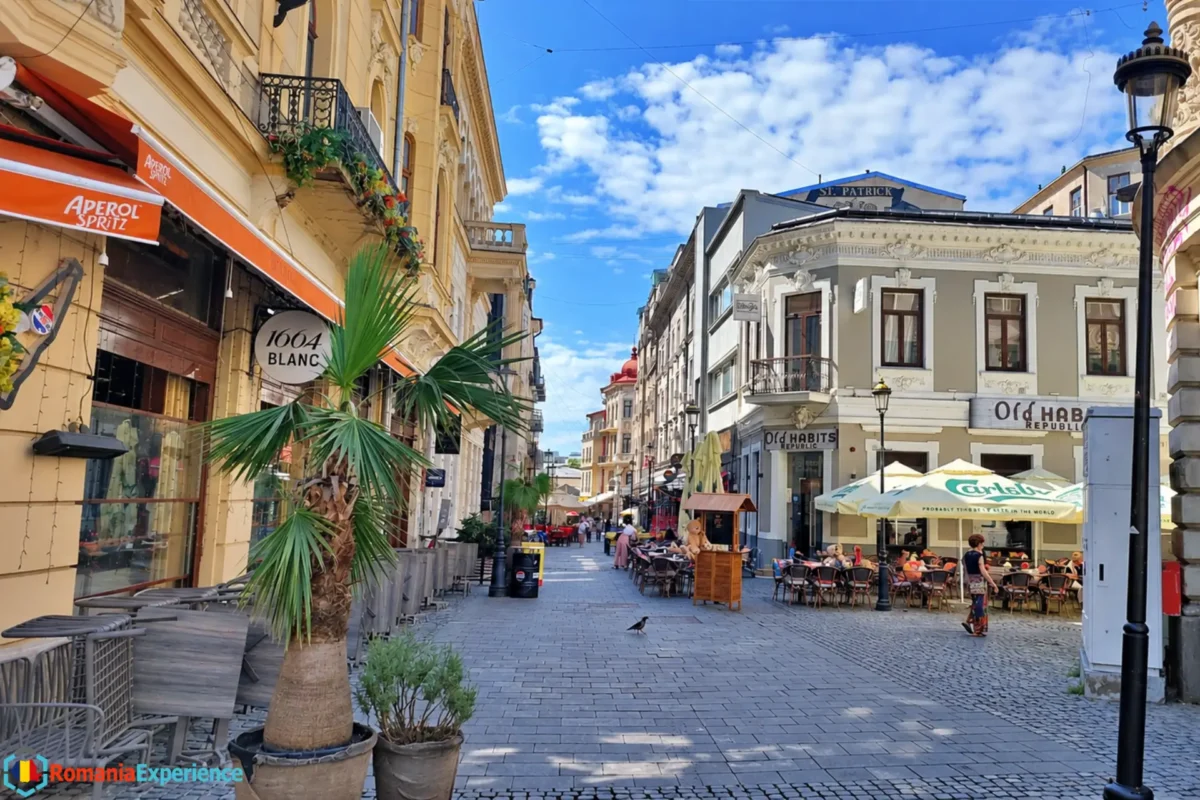
Bucharest is the most popular choice for expats and migrants moving to Romania. As you can imagine, there’s a lot you should know and be prepared for before and after making the move.
And today I am here to help you by sharing everything you should know about living in Bucharest as an expat, including the not-so-good things that most websites and creators “forget” to mention.
After all, there’s no point in me praising the city like there’s no better place on earth, as so many others do, just for you to get there and be hit with a different reality.
While I am personally not Bucharest’s biggest fan, I lived there for several years and visit constantly, and I will be as objective and honest as possible.
After all, for those who love large cities, where life moves fast, with tons of people around you and tons of opportunities, it is a perfect place to live.
Bucharest is where all the action, the high life, the good, the bad and the ugly happen. Which means that it might not be the best choice for those looking for slower paced living, less stress, and shorter distances to cover.
But let’s jump in and find out more about Bucharest: what to expect if you’re planning to live here for a shorter or longer period of time.
Things to Know about Bucharest
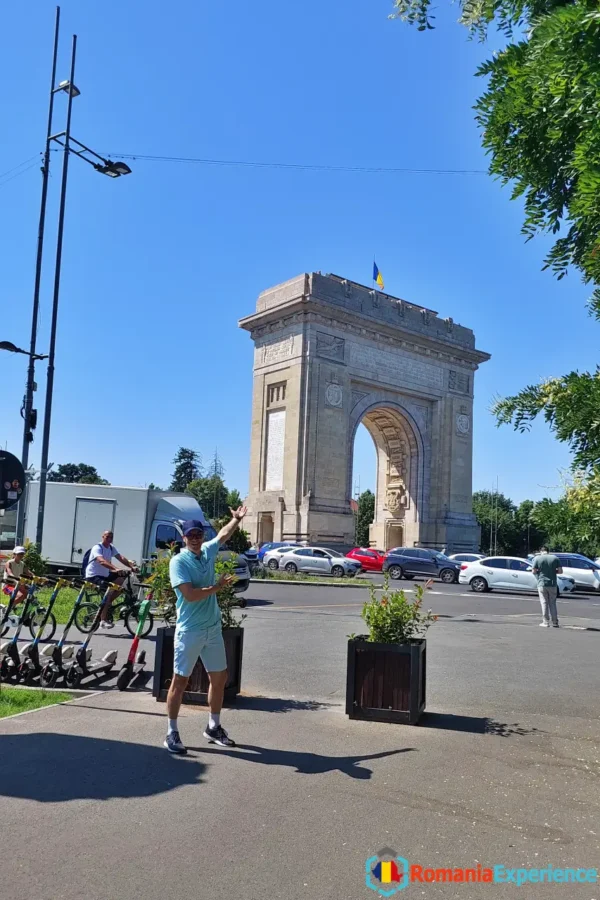
Bucharest is the Capital city of the country and also the largest city in Romania. It is always bustling with life and this is where most of the major events happen.
Concerts, festivals, expos, conventions… just think about anything you like and you will be able to find it or do it in Bucharest.
If you want to learn more about the history of Bucharest, you can read my article after you’re done with this one.
Better salaries & job opportunities
This is also the place where you have more chances of finding a job if you need one. International companies have their offices located in various parts of the city, mostly the Pipera neighborhood, known as the heaven of corporations here in Romania.
Compared to most other cities (if not all), Bucharest also gives you the chance to earn a better salary.
Since it is Romania’s richest city with the highest income per person, you will have a lot of options here. You can buy high-end luxury items and extravagant services, but also dirt-cheap stuff like in the rest of the country.
Safety & Crime in Bucharest
Before moving to a massive Eastern European capital, you probably want to know how safe it is. And all I can say is that, for now at least, it’s still very safe.
Violent crime is extremely low compared to Western European capitals, and walking around at night in most neighborhoods is completely fine.
That is, as long as you don’t choose one of the more dangerous ones, like the notorious Ferentari (although that, too, is becoming safer each year).
You still have to take common-sense safety measures, be wary of potential scams in touristy areas, and keep an eye on the cars.
Traffic rules are pushed to the limit here (to put it mildly) and it’s best if you triple check before crossing the road, even on marked pedestrian crossing areas.
Traffic in Bucharest
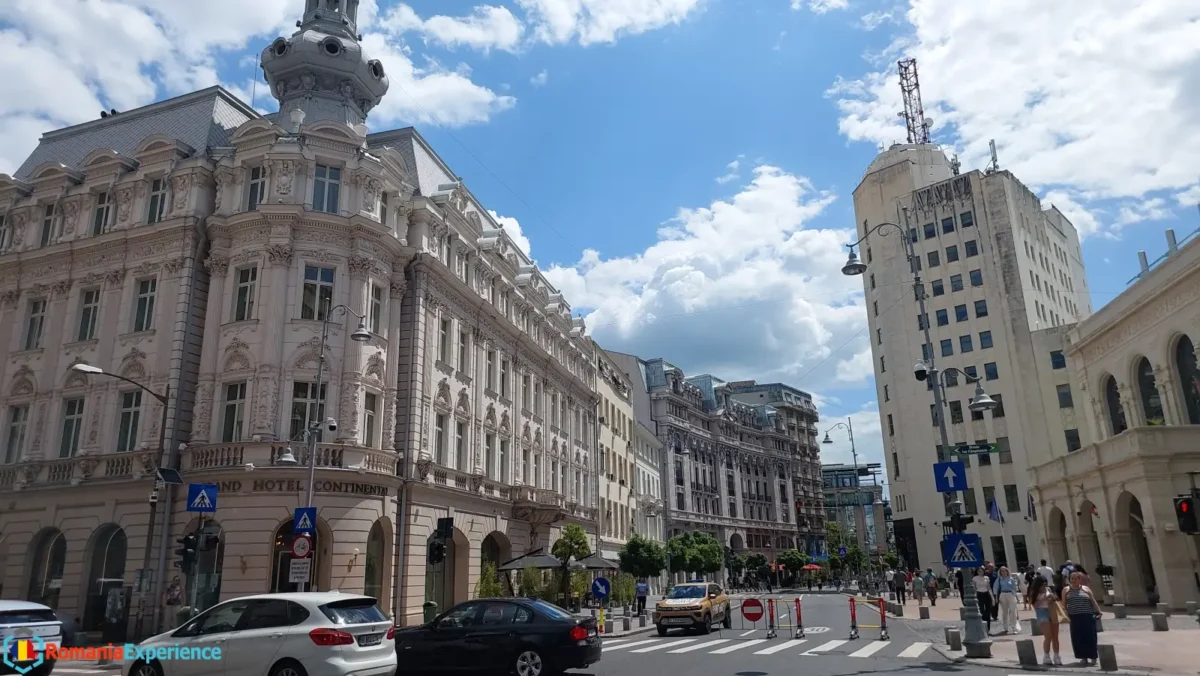
Car traffic is in a category of its own in Bucharest. It’s chaotic, intense, nerve-wracking, and people used to obeying the law and driving according to the rules will probably feel that they’re in a living nightmare.
Expect honking, yelling, obscene signs, tailgating, aggressive driving, people cutting you whenever they have the chance, and you’ll have a clearer idea of how traffic is in Romania’s capital.
Just to make things even clearer, you should know that my brother-in-law, who lives in Bucharest, only drives some 10 minutes to the closest metro station and takes the metro to work instead of driving all the way because it’s both faster and a lot less stressful.
I also know a person from a different city who comes to Bucharest by car, but parks just by the city limits, then takes the metro or bus to move around. Even I try to plan my visits when driving, so that I get there on a Sunday morning, when traffic is the lightest.
With traffic jams being the norm all over the place and with an even bigger problem when it comes to finding a parking spot, Bucharest is indeed a nightmare when it comes to cars and driving.
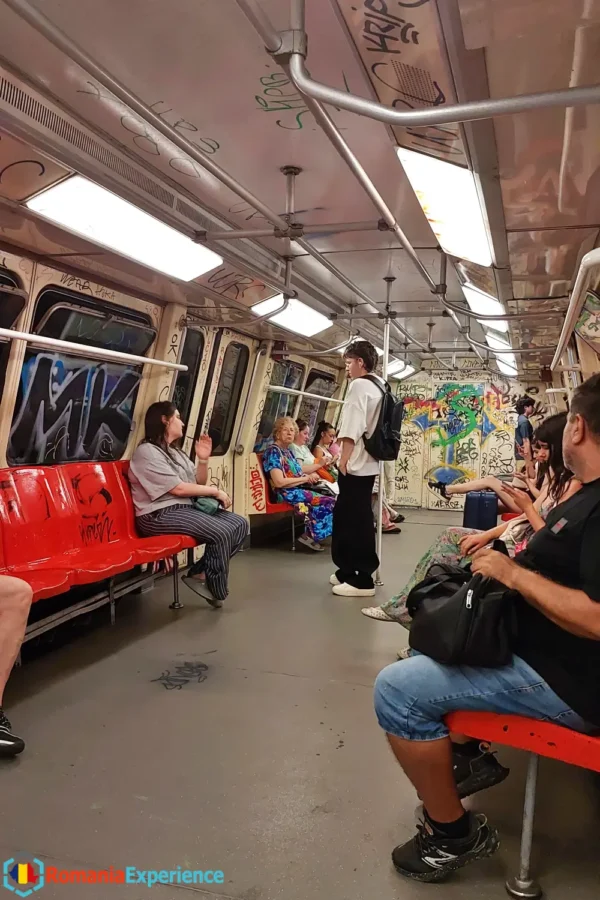
Fortunately, public transport is decent in the city, with the Metro lines being expanded as we speak, having already expanded over the past several years to cover more of the city.
Buses, trolleys, and trams are also available to reach the places that the metro doesn’t, but they rarely arrive on schedule, most of them have no air conditioning, are of poor quality, and are usually crammed with people.
And you should be extremely wary of regular buses. Trams and trolleys are fine, but bus drivers seem to be in a world of their own, with sudden braking and turns that will toss you around the bus if you’re not careful.
So when you choose a place to live in, find one of the best neighborhoods in Bucharest, and then make sure that your place is close to the metro.
I wrote an in-depth guide to the public transport system in Bucharest, make sure to read it for a better overview of things.
Health care in Bucharest
In terms of healthcare, you will have the best options here compared to other cities in the country. Bucharest is the capital of medical tourism in Romania, so that makes sense.
Private health care is more affordable than in the US or Western Europe and of decent to high quality. Many of these private health care providers offer discounts and memberships that make it even more affordable.
Do keep in mind that there has been a constant exodus of doctors and medical personnel over the past decades to countries that offer better wages. But Romania and especially Bucharest still offers highly skilled healthcare workers.
As far as prices go, expect a specialist consult to start at 250 lei (around 46 Euros) and monthly plans starting at a similar amount. So pretty decent.
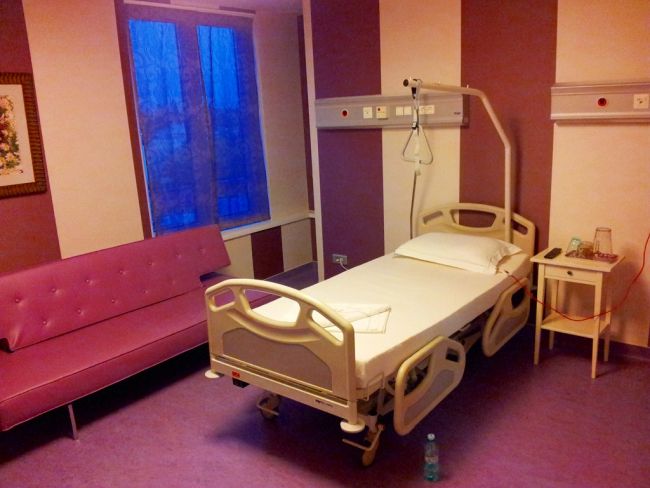
My wife gave birth to our son in a private hospital in Bucharest (her room pictured above), and the whole package (C-section delivery, 6 nights for my wife, my newborn son and myself in a private room, collection and storage of Steam Cells plus everything that was needed during our stay, including food, bloodwork, meds and such) was very affordable.
So overall, health care – both public and private – is probably the best you can get in Romania. And cheap.
Is Bucharest a Good Place to Live?
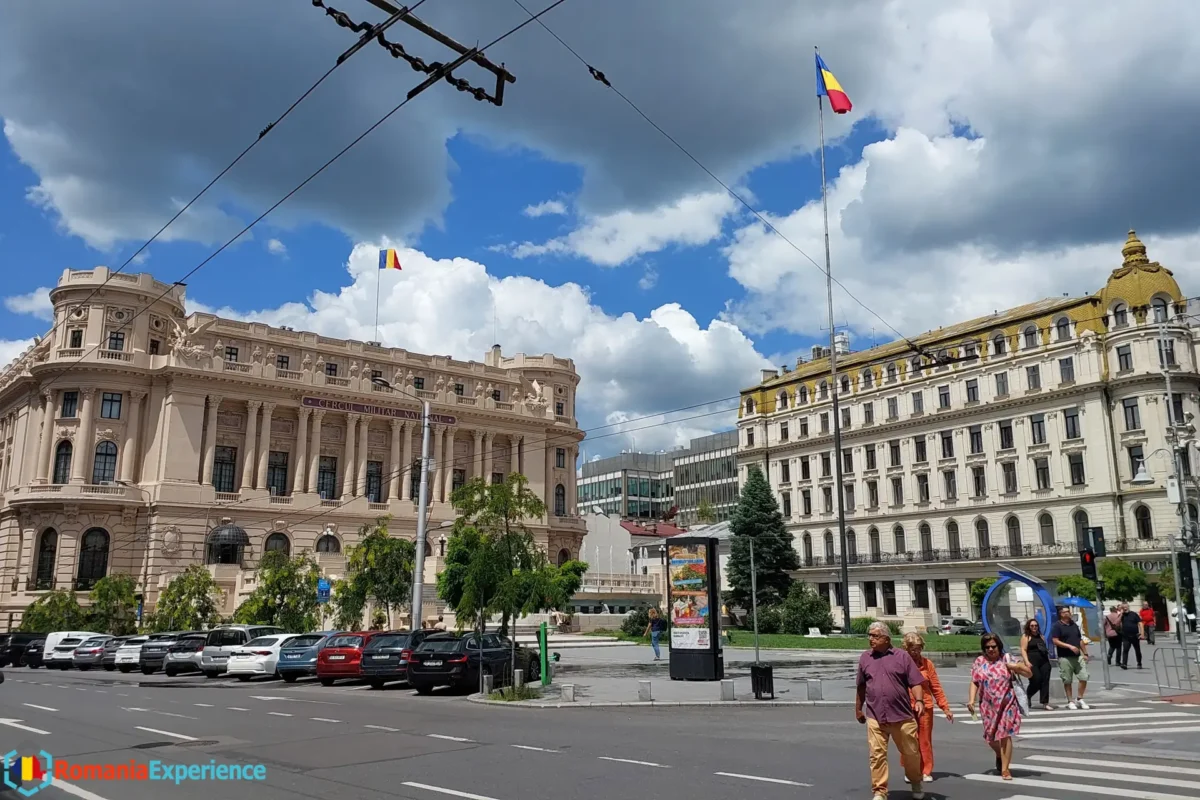
Bucharest is a good place to live if you like large cities with huge crowds, tons of culture, entertainment, and good job opportunities.
At the same time, the city can get pretty chaotic and always feels crowded and busy, and is more expensive to live in than other cities in the country.
There’s also a solid expat community in the country – the largest in Romania, so you will find it a lot easier to meet up with fellow expats who will help make the transition smoother.
Also, there are a ton of students in Bucharest since this is the most important educational hub in Romania. If you are a student yourself, I also recommend reading about the living expenses for students in Romania here.
You will find open minded, English-speaking people everywhere, from locals to expats. It is also possible to find schools that teach in English only, along with activities for all ages that cater predominantly to English-speaking individuals, but expect all of these to come at a higher cost.
However, you do have this route that will also make it easier for you to adapt, even though Romanians are generally very friendly towards foreigners and will do their best to help you feel at home.
Things you’ll love about Bucharest
There is a lot to love about Bucharest. Except for the truly amazing, hidden gems (like charming, extravagant, or completely crazy restaurants or artsy places), there are plenty of attractions in the city.
I wrote a guide about the top things to do in Bucharest, but we’ll quickly go through some of the most important ones that will make you love the city.
House of the People (Palace of Parliament)
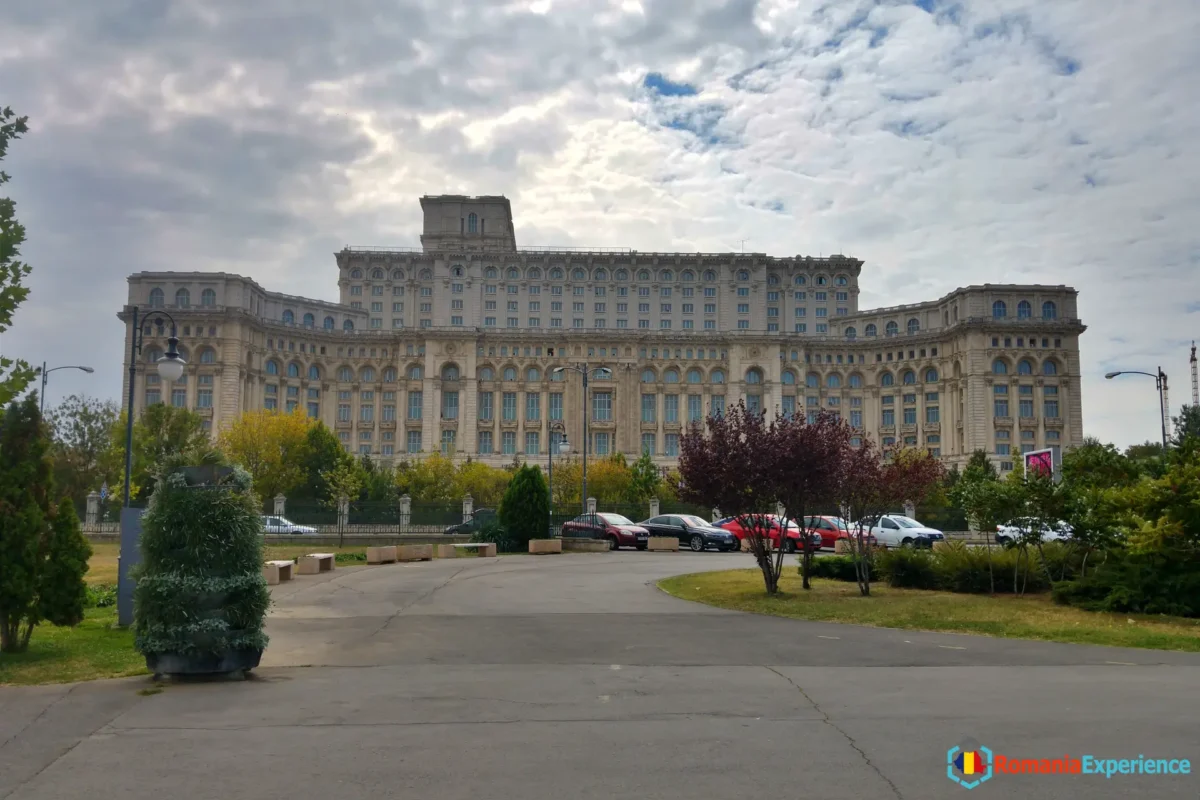
The largest civilian building in the world, it’s a truly impressive attraction, right in the heart of the city. And it’s one you can visit, too, which I highly recommend.
Find out everything about it in my article about visiting the Palace of Parliament in Bucharest.
It’s also close to another huge building in Romania – the tallest Orthodox Church in the world, The National Cathedral– creating one of the biggest architectural projects in the world. If size matters, you’ve got it all here!
If size matters, you’ve got it all here!
The Old City Center
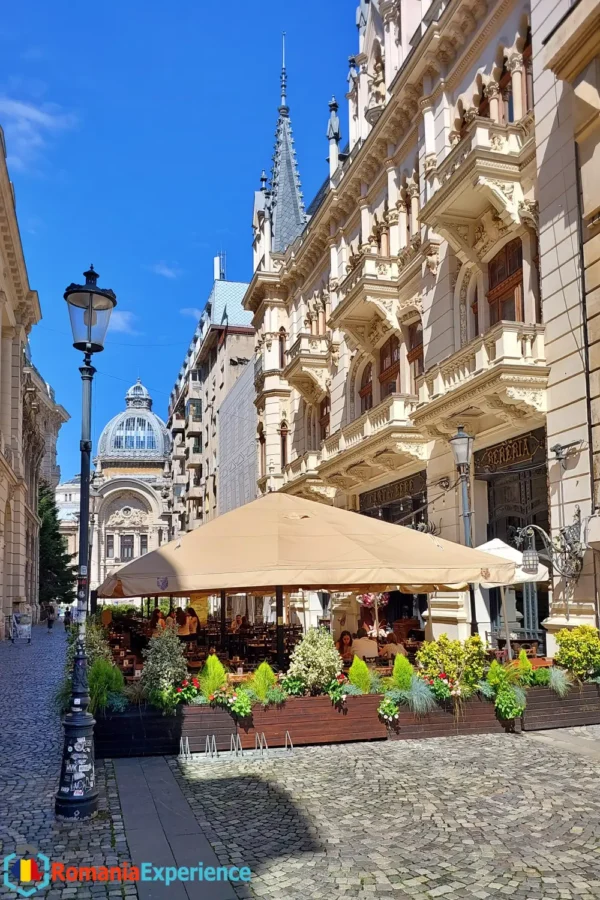
Charming and considered a tourist magnet, the Old City Center is filled with pubs, restaurants, clubs and stores in beautiful old buildings.
I love it there, even though the prices match its reputation and, in some cases, are shockingly high (at least for a local). It is clearly the place to be, though, but there’s an important thing you need to know about.
Many of these gorgeous 19th-century buildings have seen better days, and a fair number carry the infamous ‘red dot’ warning, meaning they are at severe risk of collapsing in a major earthquake.
Yet, paradoxically, that crumbling grandeur is exactly what gives Bucharest’s Old Town its raw, unique charm. It should absolutely be your first stop when you arrive – especially since many of these old buildings have been or are going to be reinforced to keep them as safe as possible.
I have an in-depth guide to Bucharest’s Old Town area, make sure to read it after you’re done reading this article.
The Museums
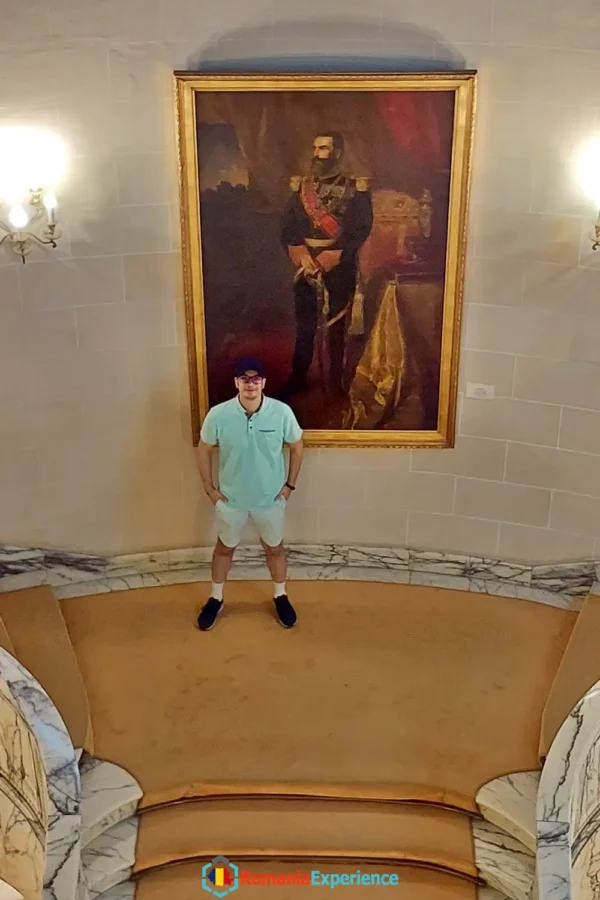
There are a lot of nice museums to visit in the city, including the National Museum of Contemporary Art, Grigore Antipa National Museum of Natural History (my favorite as a kid), the Village Museum, the Military Museum and so on.
Some of these also hold various themed events every now and then and you’ll surely enjoy visiting.
The Parks
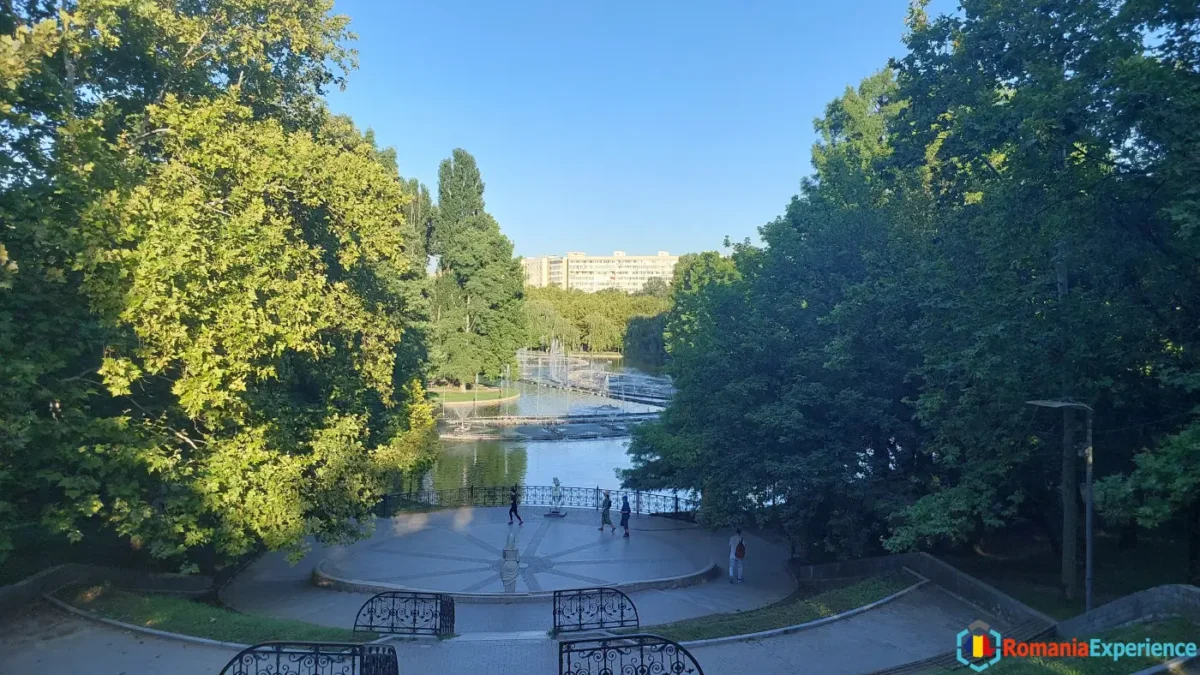
Some of the best-kept and most beautiful parks in Romania can be found in Bucharest, from the iconic central park Cismigiu, to the huge King Mihai I Park (still called by locals Herastrau), to the Titan & King Carol shared parks (pictured above) and more.
These are places that offer fresh air, lots of green spaces, perfect for a picnic and, well, everything any nice park offers anywhere in the world.
Other attractions include the Arch of Triumph, the Atheneum, as well as numerous other smaller attractions that you will love to discover during your stay in the city.
If you are the type of person who loves big crowds and lively cities, Bucharest is the place for you: it’s a city that never sleeps, a city that offers a lot in terms of entertainment and various activities.
Remember that there are also a ton of students in the city – and students love to party – so there are also a lot of extremely cheap options for spending a night out, but also luxurious venues for those who can afford them.
Bucharest is also the hub for international and national transport. Most of the cities in Romania don’t have airports, and those that do never match the number of destinations that Bucharest offers.
Also, exploring the country by train is easy, since Bucharest’s main station offers routes to all of Romania’s cities.
If you want to get more in-depth with this, I recommend reading about all the international airports in Romania or trains in Romania here.
How expensive is it to live in Bucharest?

While Bucharest is the most expensive city in the country, it remains a really affordable one to live in, by Western standards.
I have already shared an article detailing the cost of living in Romania and Bucharest, but the bottom line is that a person or a couple can still live on $1,500 per month here.
If you don’t want to read my cost of living article, expect to pay around 400 Euros for a studio in the city center or as low as 600 Euros for a 2-bedroom apartment (but well outside of the city center).
Eating out in a decent restaurant is around 40 Euros (for a basic meal for two), while an Internet + Cable combo would be around 20 Euros, based on the package chosen, and you can get a good deal with a mobile company for as low as 5 Euros per month.
Utilities (gas, electricity, water, garbage) can cost on average 150 Euros per month (a lot less during the summer – where you can go as low as 50 Euros per month).
So all in all, this isn’t a very expensive city. Even better, you get a better quality of life here than you would in other cities, simply because salaries are generally set to match the higher costs.
Things Expats Should Prepare for Before Making Bucharest Their Home
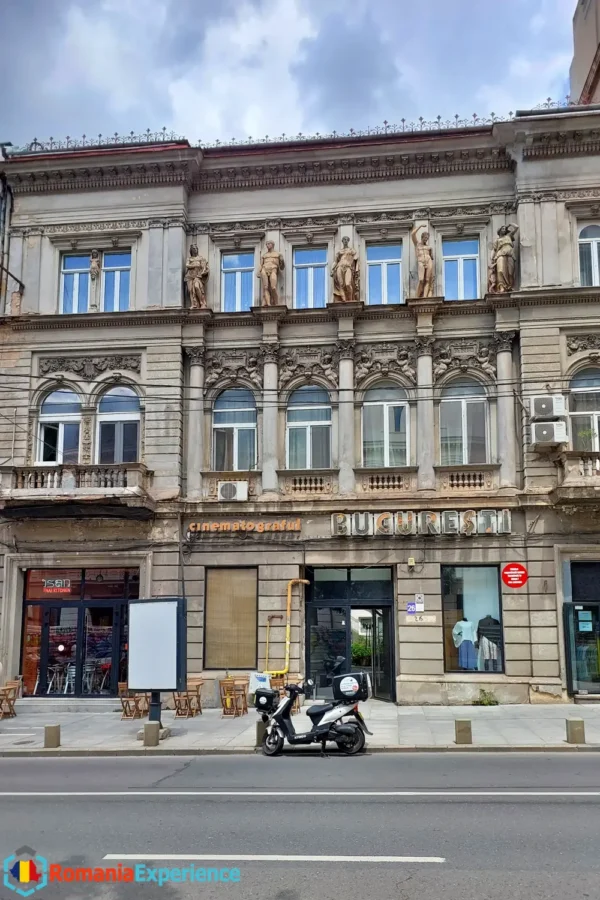
With a city this large, you will face growing pains and cultural shocks (or at least adjustments you’ll need to make). Here’s what you should prepare for:
Wasting Time to Get Anywhere
This is actually what I dislike the most about Bucharest. Getting from point A to point B takes forever. My mother-in-law, born and raised there, considers anything that’s 40 minutes away to be “close” – and we’re talking about destinations IN the city.
I personally consider this a waste of time, and I hated it when I lived in Bucharest, both as a student and early in my adult life. My most recent visit proved to me that I still hate it as a tourist.
You indeed can (and should) optimize as much as you can by choosing a place close to your work or your main area of interest. Shopping and eating out options can always be found close to anywhere you love, but visiting friends or getting to a particular place for a particular event.
Traffic (again)
The traffic problems I already mentioned in its dedicated section are also a major con, and they go hand in hand with the previous problem. They are interdependent, and even though authorities are working to improve things, there’s still a long way to go.
Pollution
The pollution levels are also extremely high. Bucharest is one of the most polluted capitals in Europe. It even managed to be the most polluted city in the world for a brief period of time in terms of NO2 pollution levels (source here).
Just like with traffic, there has been a lot of talk about the pollution levels in Bucharest, and there are promises that things will improve sooner rather than later.
Dog Poop
And even though you can’t really “smell” the pollution levels, you can certainly smell the dog poop especially when it’s extremely hot outside or there’s been a light rain: people in Bucharest (well, in Romania, actually) don’t really pick up after their pets.
As a result, you must be really careful when walking down streets… in some areas – especially the more residential ones, it’s like a dog poop exposition there.
It Feels a Bit Dirty, too
It’s not just the dog poop, it’s a general feeling that the city is not clean. While there are other places in the world that are definitely dirtier than Bucharest is, it doesn’t meant that you won’t notice it.
And I’m not talking necessarily about garbage thrown on the streets, but a general lack of care and maintenance.
You will walk by overgrown trees and shrubs, buildings in terrible condition, holes in the sidewalk, all sorts of improvisations and temporary fixes… a general chaos that so well describes the state of Bucharest today.
Everything’s made even worse by ongoing rehabilitation works, so expect blocked streets, holes dug everywhere for repair work, and plenty of discomfort. These are definitely needed, but it doesn’t mean they’re pleasant to the eye.
It’s Always Crowded
There are huge crowds everywhere and because of that, you have to spend a lot of your time waiting in lines everywhere.
Supermarkets are always packed, and weekends or national holidays are a real nightmare, as everybody seems to decide to go out at the same time. Sure, this is more or less a problem every large city has, at least in Romania, but it’s still a con.
The people always seem to be in a hurry and, just like most in this part of Europe, they always seem grumpy and sad. That’s not the case, but walking around and seeing nobody smiling is not that pleasant.
The Buildings
Finally, the buildings are hit-or-miss. Bucharest does have some amazing architecture – for both modern and old buildings – but in some cases the modern and old are forced to blend in, with hideous results.
So don’t be surprised if you stumble upon monstrosities here and there, like this world-infamous Union Of The Romanian Architects building you can see below (and also PIN it for later):
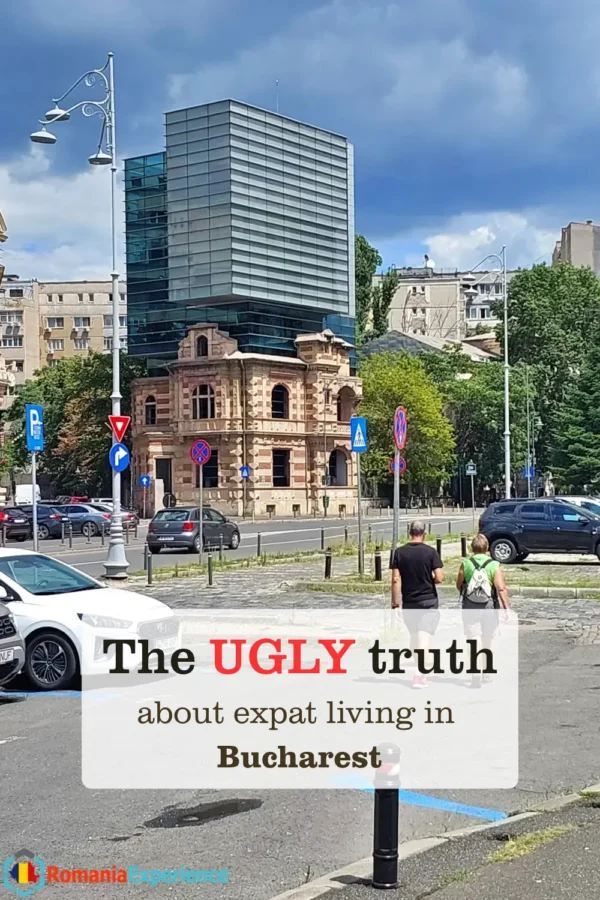
Some of these problems are not deal breakers most of the time and it depends on a person’s preferences. I wrote more in depth about the Pros and Cons of living in Bucharest, in case you want to read more.
Wrapping up
There are people who couldn’t live in a small, quiet city and instead they thrive in large, crowded and sometimes chaotic places like Bucharest.
They will actually feel right at home there, but I personally like to have my space, I don’t like being squashed like a sardine in the metro, and I prefer spending just a few minutes in line at the store to pay for my groceries…
Living in Bucharest is an adventure, and it depends mostly on you whether it’s a pleasant one or not. But at least you are prepared for everything it will throw at you, both good and bad and you can now decide how good of an option it is.
So… is Bucharest the right city for you or not? Let us all know by commenting below!

I am a journalist and local expert who has been documenting life in Romania since 2013. Based in Constanta (after living in Bucharest and Drobeta Turnu Severin), I provide up-to-date, on-the-ground advice for expats and travelers. My articles are based on real life experiences and plenty of research – from paying Romanian bills to exploring the wild “Rawmania” countryside.
Great article! Really lays out the pros and cons.
Too bad no “pooper scooper” laws. Same issue as Buenos Aires.
Isn’t Otopeni suburb a good choice as an option to living right downtown and all the mayhem?;-)
Just noted this:https://www.romania-insider.com/govt-abandons-plans-subway-expansion-buch-feb-2021
Don’t know why they did this, unless it’s due to Covid-19 and it’s effect on air travel. Still seems short-sighted!
Being so close to the airport, Otopeni might come with some noise issues. There are other nearby places to be in (like the fast-growing Baneasa or Chiajna area). Those two also have metro service nearby.
The authorities took ages to extend the metro line in the city itself so even if the one to Otopeni was planned, it wasn’t going to happen anytime soon. There is already a dedicated train from the airport to the city, as well as dedicated bus lines, so having the metro wasn’t really a must for those arriving at the airport, probably.
Ah ha! I didn’t know there was a rail line already–mea culpa.
(In the US, it’s always a triumph to get a metro rail system to go to an airport.)
I’ll have to check out Baneasa and Chiajna–good luck to me trying to pronounce the latter–ha, ha! I couldn’t imagine living in downtown Buch, by your description, unless I was a masochist.
Thanks for your explanation!
Hello Calin:
I’m baaak!
Does anyone one know why Bucharest wasn’t started on the Danube back in the day. Hindsight is 20/20, but can you imagine what the city could/would have been (like Belgrade, Budapest, Vienna, for instance)?
So, another question… Whatever happened to the planned Danube–Bucharest Canal? I’m surprised old “NC” (the dictator who was “eliminated” in 1989) didn’t see this as a priority. I definitely would have built it, and downsized the Palatul Parlamentului to save money.
Also, why aren’t there water taxis or sightseeing boats on the Dâmbovița? (Even if there’s not a ton of sights, it would still be a nice lunch or dinner cruise.) I think about the sightseeing boats on the River Spree in Berlin. It just seems like a good idea, and could be a moneymaking venture for someone with foresight. (JMHO)
Hello Teil! These are good questions, but I don’t really know the answers 🙂 I didn’t even know that there was a planned Danube – Bucharest canal in the works.