
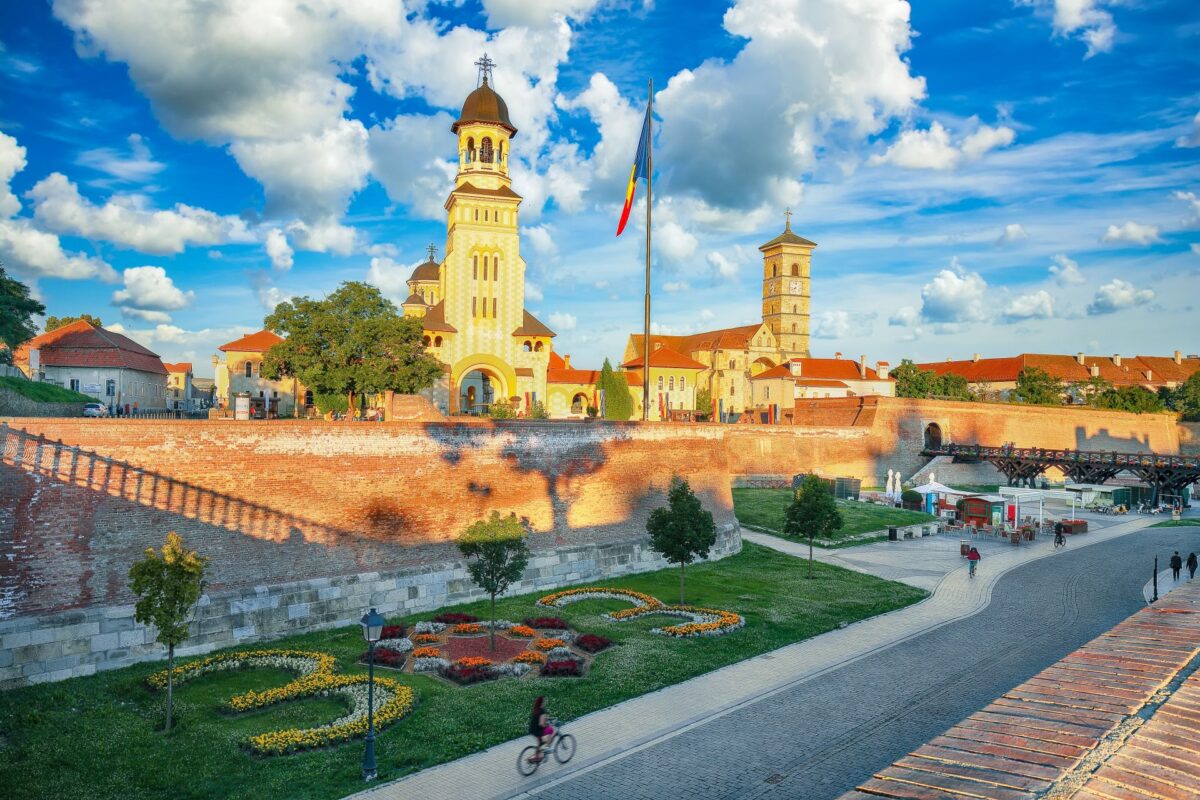
One of the most important decisions you will make before relocating to Romania is choosing where to live. So, should you choose a larger city or a smaller town? Or maybe go to a village and experience rural living with all the natural beauty around you?
In most cases and for most people, I think that the best place to live in Romania is one of the larger cities, from the capital Bucharest (which might be a bit too much for many) to the budget-breaking Cluj Napoca, expat-friendly Brasov or Constanta, as well as Timisoara, Sibiu, Oradea or Iasi.
(Note: you can click the links on each of the larger cities above to check out my in-depth overview of each and learn more about them).
But if you want a clearer overview of your options, in today’s article, I will walk you through exactly what to expect. I will cover the (growing) cost of living, public transport, healthcare options, and everything else.
Large city living vs small city vs village
Despite some obvious Cons, we have important Pros to consider when living in one of Romania’s smaller cities. And by “small,” I mean those with at least 30,000 people living there, not smaller.
Anything smaller would enter the “village” category, even though in most cases you will still find more amenities than you would in villages, as well as options for entertainment, but not a lot more.
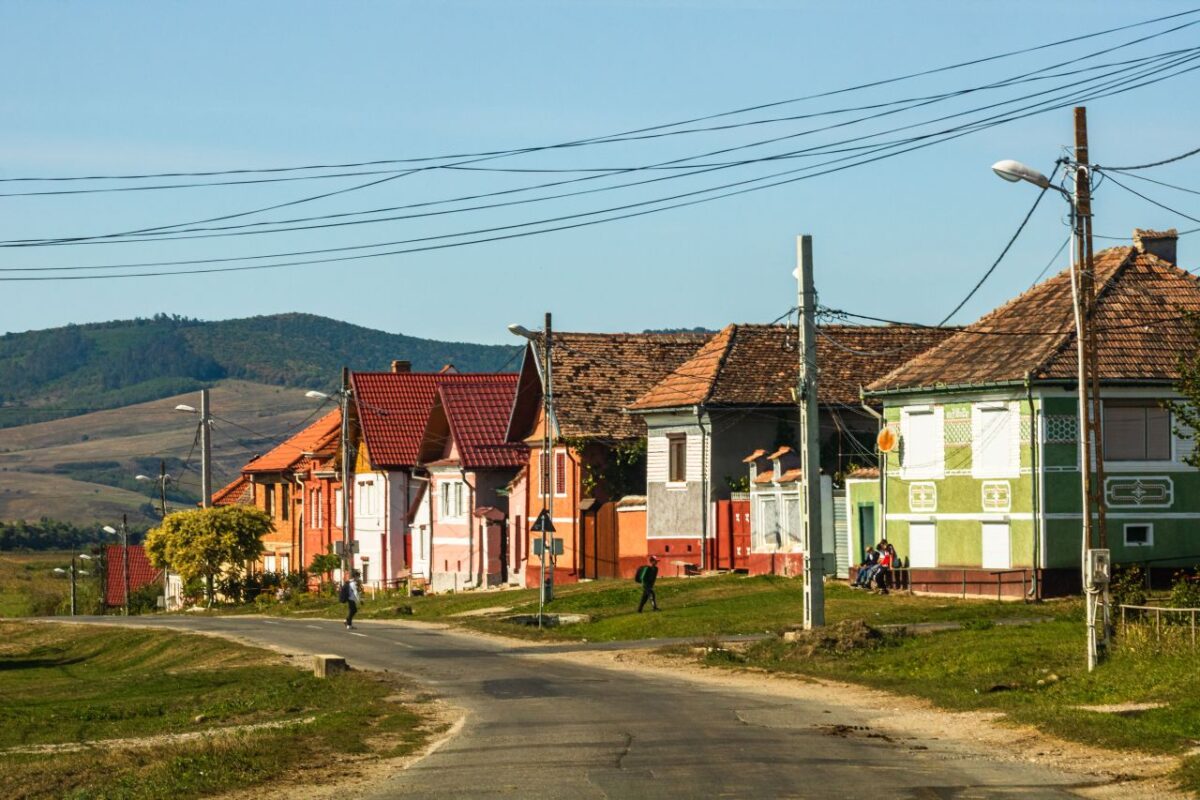
Romania has grown tremendously over the years, with smaller cities offering many of the things that the larger ones do, and I’ve seen villages taking advantage of European funds and improving a lot: new roads, better looking buildings, improved infrastructure overall
It’s not uncommon now to have in the village (or within a decent distance to it) some larger supermarkets like Profi, which should be enough to cover all groceries and most of your other necessities, even though prices are a bit higher.
However, the vast majority of people – mainly everybody who is NOT particularly looking to live in a village – should cross living in a Romanian village off your list.
I wrote an in-depth article on why you might not be able to live in a Romanian village and I recommend checking it out to see all the challenges you’ll be facing.
But even though challenging, it can still be done if you don’t mind some of the roughness: I have a story from Angela who spent a summer in a Transylvanian village, and several of this website’s readers also live in villages (at least part of the year) – like Shane, who also enjoys it a lot.
However, for those who are looking for a more active type of life, with restaurants nearby, shopping malls, and cinemas/theaters, as well as various options for spending their free time, villages are generally out of the question – and many of the really small cities too.
So the real question remains: what type of city is best for you in Romania? A small city or a large one?
Based on the official 2021 census, there are 18 cities in Romania with a population over 100,000, while just 8 have over 200,000 inhabitants (a small decline compared to the previous census in 2011). Bucharest is the largest, with an official resident population of around 2 million.
Trust me when I say that the differences can be huge when comparing living in a smaller town to a large city. I will cover them all below, also based on my recent, 2-year-long experience living in Constanta, Romania.
Main differences between living in large Romanian city vs a small one
1. Walkability and public transportation
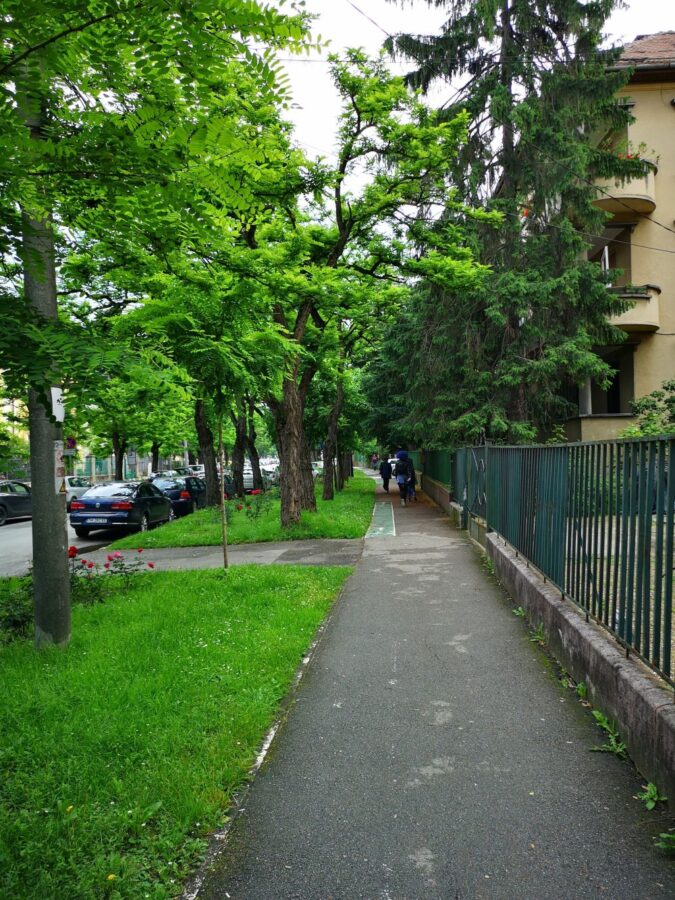
Small cities have little to no public transportation options. Any buses they might have will generally be few and far between, on most occasions connecting the nearby villages to the cities themselves.
However, since they are small, almost everything is within walking distance. You can also use a bike to get around easily – and if you have a car, probably everything in the small city will be within a maximum of 10 minutes away.
Larger cities have better public transport options, with Bucharest being the only city in Romania where there’s a metro line (Cluj-Napoca is working on theirs, but it will take time).
Even in the larger cities, the public transportation is not smartly built and you’ll still have to do a lot of waiting or walking to reach your final destination, but at least you will reduce the overall time of travel.
In Bucharest, for example, expect buses and trams and even metros to be extremely crowded and waiting times to be nerve wrecking sometimes. For more about the city, check out my guide to public transport in Bucharest.
The family that moved to Brasov from the US, on the other hand, told me that the buses there are rarely full and they usually get to sit during most of their rides.
But, to put things into perspective, it’s worth mentioning that larger cities are generally not that walkable (hence the NEED for public transportation).
So if you prefer to spend as little time as possible traveling from one place to another, smaller cities are better, even with fewer public transportation options.
2. Closed- vs. Open-Minded
People in smaller cities might not be as open-minded as those in the larger ones. I was extremely surprised to hear a story from a friend living in Alba Iulia who knew a lady who had a child with an African man.
Their child faced a lot of obstacles and problems every now and then, some of them reminding us of the medieval ages: for example, doctors would not release the generic papers stating that she’s healthy (although she was) which were needed for her to start school, she was the victim of differentiated behavior from teachers and even some of the kids treated the girl poorly.
Things will slowly change, as diversity is finally becoming more and more common in Romania – especially thanks to the influx of workers coming mostly from Southeast Asian countries, but I expect racism and xenophobia to be more of a problem in smaller cities.
And you should also add sexism to that list, since we’re here, and Romania is not a very LGBTQ-friendly country either.
The lack of education and the fact that many of the people living in Romania are either grown under the close-minded communist regime or educated by people who grew under the communist regime is, in my opinion, part of the problem and even though most of the people I know – especially the younger ones – are open minded, you should expect outdated mentality from many, especially in the smaller towns and even more so from the older individuals.
In the larger cities, since you have more educated people living there (as well as better traveled individuals), younger people who have access to information and life-changing bits that those in smaller cities don’t necessarily have, plus even more expats to bring some sense into their minds, this lack of open-mindedness should not be as prevalent.
3. Not much to do
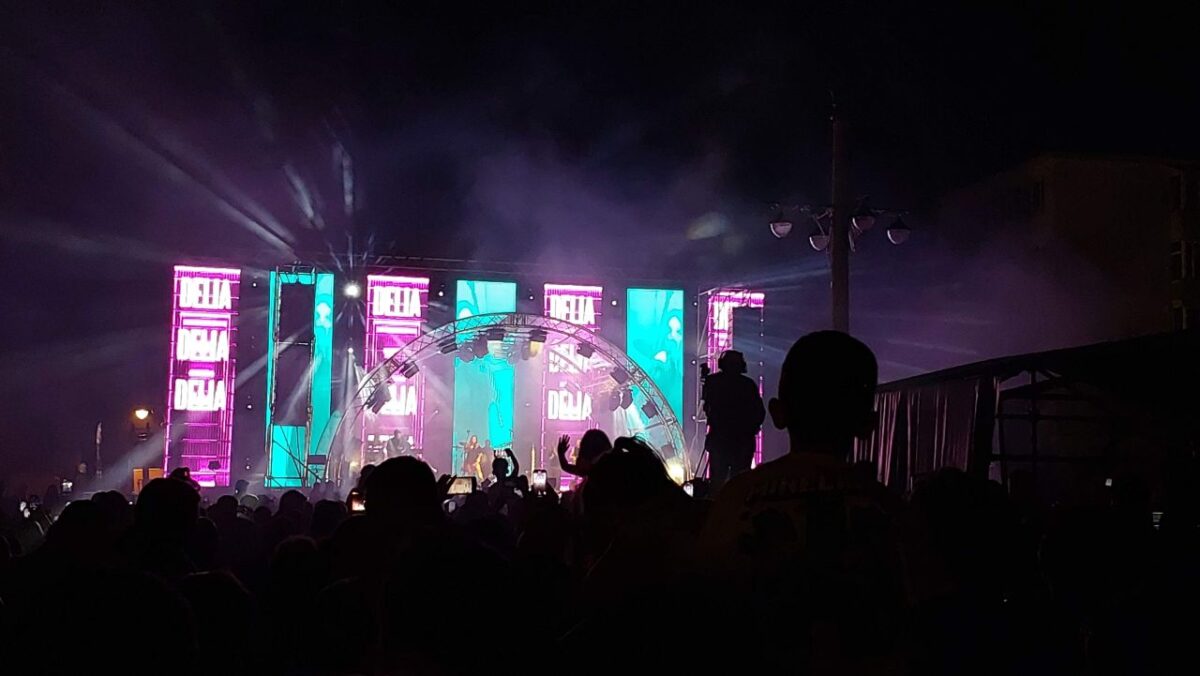
In smaller cities, you will have way fewer options in all areas of life. From jobs to entertainment to culture, restaurants and bars, events, shopping, and health care, everything is on the low side in the smaller cities.
Romanians – especially those in the smaller cities – don’t have a “going out” or “eating out” mentality, and as a result, you will see fewer options in this area too.
Again, things are changing here a bit as more Romanians adapt the Western style of living and consumerism increases, but generally, the options are limited.
Entertainment and cultural events are extremely limited in the small cities, even though they will have a concert here and there, a fair to celebrate something, or a new play at the theater once per season.
4. Healthcare in Smaller vs Larger Cities
Expect healthcare options to be limited, equipment to be old, and the overall level of the professionals to be relatively low.
For example, I still remember when I had to visit an ENT specialist in the small city I live in and I was horrified with the equipment the doctor used: the tool used to press my tongue was “disinfected” over the flame of an oil lamp! I was shocked.
Also, the nurse wrapped her hand in bandage, grabbed my tongue and pulled it out for some reason (probably she didn’t think I’d be able to open my mouth wide and say “Aaaaaa”) while the doctor looked down my throat.
The cherry on top? That was a private clinic!
On another occasion, my wife went the to get herself tested for allergies and the doctor didn’t have those special, disposable plastic thingies to puncture her skin with, but instead used a syringe’s needle to scratch her skin – all while my wife was looking at me terrified, with tears in her eyes.
While these two events happened several years ago and things have fortunately improved since, don’t expect the same level of quality from smaller city clinics or hospitals.
5. Job opportunities
Finding work in smaller cities is difficult. Salaries are also lower in the smaller cities, even though the cost of living is also generally lower.
While there are specific areas nowadays that are in desperate need for personnel – from jobs in the agriculture sector to construction, restaurants and even the medical sector, you’re still generally expected to speak Romanian in most cases and options will be fewer in smaller cities.
If you don’t have a guaranteed income (like a job offer or a remote job), I would personally suggest you stay away from the smaller cities, especially if you don’t speak Romanian.
There are few – if any – options to get hired, and the most you can probably hope for is a job that requires no specialized training, which is paid minimum wage and not enough to live on.
Finding jobs in the larger cities is a bit easier, even if you don’t speak Romanian, although there are no real guarantees here either.
The best idea in case you don’t have a guaranteed income is to find a job before getting here, as making the move, hoping to get hired, might prove difficult even in the larger cities. Having a job also makes it a lot easier to get a residency permit if you’re not an EU citizen.
6. Cost of living differs
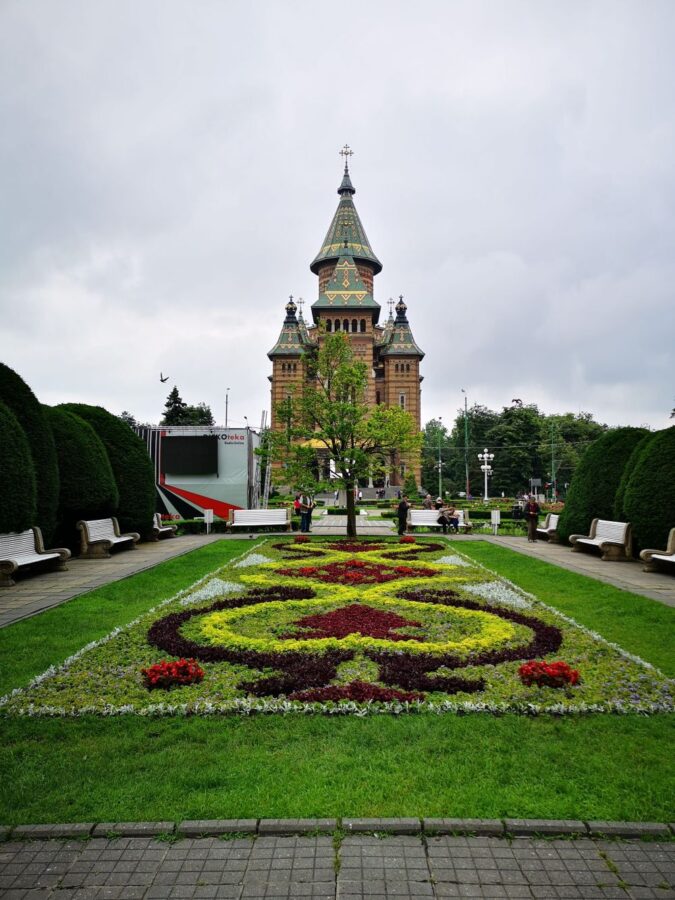
One of the biggest advantages smaller cities have over the larger ones is the general cost of living.
Apart from the large supermarket chains that have the same prices everywhere in the country, everything else is cheaper in the smaller cities – especially when it comes to the optional expenses, like entertainment or eating out.
The delicious “merdenea” (a salted cheese pasty) that cost me 8 lei in Constanta is 4 lei in Drobeta Turnu Severin. Eating out is also significantly cheaper here, just like the price for all services – from visiting the doctor to any other type of service-based thing.
Property and rental costs are also A LOT more affordable in the smaller cities. You can check out the sites recommended in this article to see the offers in various cities – you will be surprised by the differences.
While a decent 1-bedroom apartment in a good area can’t be found nowadays under €500 per month in the larger cities, you can still find one in a small city for as low as €350 per month. This alone will help you save a lot of money.
Overall, since moving from Constanta, our cost of living has drastically decreased. While we’re on a quest to cut expenses as much as possible due to life circumstances, even if we weren’t, we would’ve still spent a lot less here than in Constanta.
7. Slower vs faster-paced living
Life in smaller cities is slower paced, the cities are quieter and sometimes less polluted.
This can be either a pro or a con, but it certainly is like that: there are fewer people on the streets, fewer cars and less noise, more parks and green spaces and you have more chances to be and remain relaxed in a smaller city, in my opinion.
8. Internet, Infrastructure & Remote Work
Romania is famous for its blazing-fast internet speeds, but does a remote worker in a village get the same gigabit fiber optic connection as someone in Bucharest?
While the answer is generally no, the internet infrastructure is amazing across the entire country and you can still expect fiber internet in most villages, with speeds of at least 100 Mbps.
However, the physical infrastructure is a different story. In large cities, power outages are rare and fixed within minutes.
In a small town or a village, a bad winter storm can knock the power out for several hours, and the local roads might not get plowed until the next day.
If you work from home and depend on 100% uptime, you will need a backup power source if you choose rural living. And also expect water interruptions, especially during the summer months.
9. General Safety
While Romania is generally safe as a country, it’s not a crime-free paradise.
Violent crime is extremely low, though, with the villages being the places where most crimes happen – usually due to drunken locals fighting, so unless you become part of such groups, you will feel safe in most areas.
Standard street smarts apply in crowded areas of Bucharest to avoid pickpockets, but physical safety is simply not something you need to worry about here.
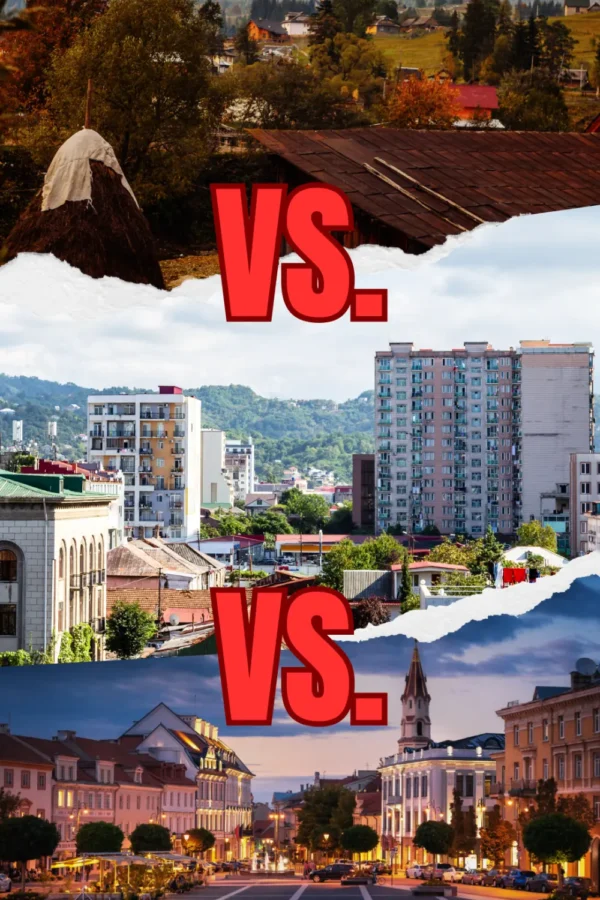
Wrapping Up
There are surely even more differences between the small and large cities in Romania and, up to a point, they’re probably similar to those in any other country.
My personal advice would be that if you are retiring and not planning to party a lot or be a social butterfly, go for one of the smaller cities.
They are quieter, they are cheaper, they are less insane, and they offer a bigger bang for your buck.
If you are in constant need for something to do, you like going out to a different place every night, you want to be part of multiple clubs and have a very active social life – or you need constant, special hospital care – then you should choose a larger city, knowing that it will be a bit more expensive, among other things.
So, with all these in mind, what would you choose? Would you go for the tranquility and cheaper costs in smaller cities or you’d choose a bustling, more expensive, larger city?

I am a journalist and local expert who has been documenting life in Romania since 2013. Based in Constanta (after living in Bucharest and Drobeta Turnu Severin), I provide up-to-date, on-the-ground advice for expats and travelers. My articles are based on real life experiences and plenty of research – from paying Romanian bills to exploring the wild “Rawmania” countryside.
Great article C.! I think you make some good points on both sides. One thing I’d like to add from the perspective of being one of those who plan to retire to Romania within the next year is this; I’ve been thinking it may be better to “start” with little larger city, as having more options, more conveniences, even more expats like yourself, may ease some of the natural & normal culture shock as you adjust to your new country. It just seems on the surface of it, that initially, going from say, Chicago or Atlanta or even Orlando in the U.S., to Bucharest, Brasov or even Sibiu would make the transition a little easier than immediately relocating to a smaller town in your new country.
However, that said, let me add this, that in time, after feeling more comfortable, and learning the language better, and all the while becoming more acclimated to your new home, that you may very well want to embrace the smaller town lifestyle. Who knows, but my plan is to start in Sibiu, and possibly migrate to a smaller town in a year or two. Anyway, I appreciate your insights and suggestions as always! Thanks! Best Regards, JC
I think that’s the best way to do it! I too believe that smaller towns, once you get used with how things are going, are the better option, but it might be a bit too much if you went straight to a small one.
You are thinking of leaving Drobeta-Turnu Severin? Well, then what incentive is there for us to retire there? I was expecting you to be at my beck and call and to have me over for dinner every night! More seriously, I think so-called assisted living facilities or nursing homes in Romania would be interesting for senior citizen ex-pats. I am sure they would be much cheaper than in the USA. I personally prefer smaller towns to big cities but it would be nice to have at least a train station that can get you into a bigger town if you feel like it.
Small cities are good after a certain age and in our particular situation, it might not be the best choice for our son’s future. We are still weighting the options and trying to see which Pros outweigh the others, even though I too love this city and smaller cities in general.
I know very little about the nursing homes in Romania, but I do know that many people look at them with suspicion because back in the days it was horrible to live there and sending your parents to a nursing home was considered the worst thing you could do. I am sure that the quality of these homes has improved (at least the private ones), but the mentality remains and it will probably be a while before people accept them and therefore they’re given the chance to blossom. Still, I remember that several years ago there was a huge scandal in the media because one fashion designer was sent to a private nursing home and everybody was criticizing her son for doing such a horrible thing to the poor lady, even though when they showed the place at TV stations, it looked more like a luxury hotel than anything else…
Great post C! It is definitely something to think about when one moves countries. I am currently researching our next destination. We just got back from a fact finding trip to Portugal, but l think we will still stay somewhere in Spain?. A big consideration for me as a black woman is to make sure that l will not run into any problems wherever we end up. Tensions are running high everywhere. Luckily, most places l’ve been, people have been generally nice, but you never know. I would definitely choose a smaller town again l think, but hopefully one with the metro line that runs right to the town (unlike we have here where the city ran out of money and we just have an empty metro stop). It’s not bad, only 10 mins to the nearest station and free parking, but it’s something l need to consider. I like JC’s suggestion. It will be less of a shock that way. I suspect our hospitals at home and doctors operate much the same way?.
I don’t think that there is a huge difference in cost of living or the beauty of the countries between Spain and Portugal, so since you have settled well there and are probably starting to catch some Spanish and know how things work there… it’s probably better to stick to it since it is so nice. I can’t wait to hear on your blog what you found out about Portugal – just like JC, I’ve also heard it being called by many the hidden gem of Western Europe. Even more, as I am following a lot of Thailand expats, they are starting to call it the Chiang Mai of Europe (which is strange, since Chiang Mai is a city, but we’ll ignore that) and I’ve heard that many are planning to move there. So Portugal might actually become very popular in the next few years…
Excellent essay as always!!
I always appreciate your insitefullness into every day living .
I don’t live far from New Yowk City , so I understand the appeal , but then again I do Love smaller cities and the quaintness of living in them & how everyday life seems easier
Thanks, Tom! I am happy to hear that you enjoyed it. Each type of city has its Pros and Cons and in the end it’s each individual’s decision to make. Probably the transition in Romania from a large to a small city is not as difficult as moving from New York to a small town, but there are still differences.
Wow, super interesting article. I am exploring the difference between living in a large city or small town in Romania and your article was full of good information. I went to a dentist in Bucharest and it was comparable to many in the U.S..
I am surprised I didn’t think about writing this earlier, to be honest, since I’ve been thinking about this for about a year as well. 🙂 I am happy to hear that you had a good experience with the Romanian dentists!
C. I think you are spot on as usual. Smaller city is quieter and slower and larger is louder and faster. The not so obvious is what you say about medical options and options in general. I found your comments about the doctor visits in small vs large city eye opening from a visitors perspective. That photo of food really makes it sink home. This applies to everything however like if you are looking for furniture or food options. Smaller less bigger more. Not a huge deal but if you want options like anywhere be prepared to travel to get them if your in a smaller town.