
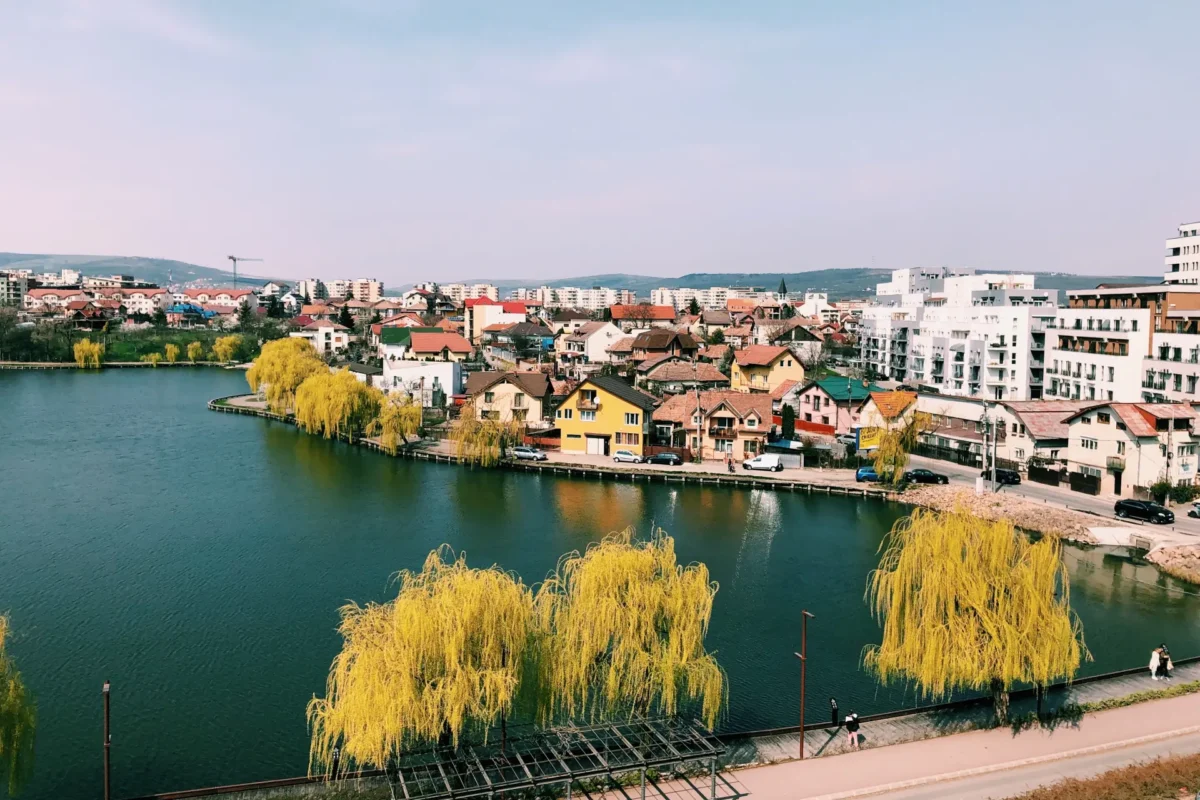
Cluj Napoca is one of the top choices for expats moving to Romania and it makes sense because it’s both one of the country’s largest cities, but also fastest growing ones.
Often called the “Silicon Valley of Eastern Europe,” this city of around 300,000 people pulls in tech professionals, multinational corporations, and students alike so you get a diverse, interesting mix of people, interests, opportunities and entertainment & cultural options.
If you are considering moving to the unofficial capital of Transylvania, my guide to living in Cluj-Napoca should come in handy.
I will share everything you need to know about living here, both the good and the not-so-good things and a lot more.
A few things to know about Cluj Napoca
It is a city with a rich history, the first official information dating back to around 106 A.D., after the Romans conquered Dacia.
During the Middle Ages, the city was occupied by Hungary and was officially a part of the Austro-Hungarian Empire until 1918, and also for a brief period of time in the 1940s.
As a result, the majority of the population of Cluj Napoca was Hungarian by the late 1960s. Things shifted when the communist regime sent Romanian workers for the industrialization of the area.
Until 2004, the city was led by a Romanian nationalist figure who promoted hate against the Hungarians, and as a result of his policies, the city stagnated due to a lack of investment.
But since 2004, when that leader lost office, Cluj has started to grow rapidly. It quickly established itself as one of the most important cities in Romania.
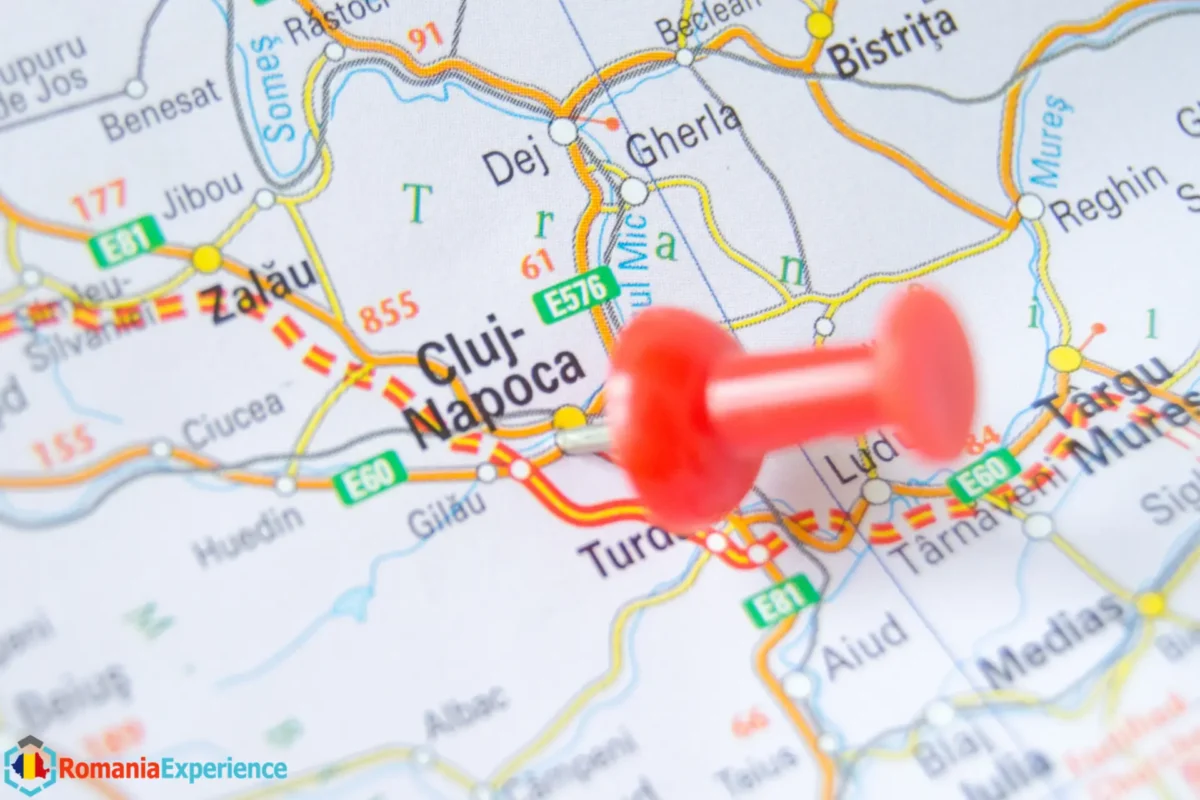
Located in the North-Eastern part of the country, it is close to other important cities in the area, like Oradea, Alba Iulia, Targu Mures and Sighisoara.
Pros of living in Cluj Napoca
Let’s start by checking out the main great things about the city – things that will matter the most for you as an expat living here.
1. It’s a Growing IT Hub with Huge Career Opportunities
Cluj is Romania’s main IT hub, with plenty of local and multinational companies choosing it as their home base.
As a result, you have plenty of jobs available in the tech space, which are also some of the best-paid in the country.
At the same time, the fact that the city is growing rapidly means that it will offer more things to do, but also better facilities, public services, shopping centers and infrastructure (for example, the city works on building the metro system for the city).
2. The People Are Nice and Relaxed
People in Ardeal and Transylvania are known for moving and acting slower than the rest of the country. And by “slow” I mean it in a more relaxed, non-confrontational kind of way.
Regular people are a lot more welcoming and warm-hearted here. Even the way they speak is slower, they walk slower, they never seem to be in a rush, and this is golden in today’s super-fast-paced world.
There is even a bit of a funny urban legend saying that the green light at traffic lights lasts longer than in Bucharest or Timisoara.
3. Cluj-Napoca is Clean
While all major cities started to improve a lot in this area, Cluj Napoca was always there.
Streets in Cluj are really clean and nice for long walks. And a clean city helps keep your mood high.
4. Top-Tier Education and a Young, Energetic Vibe
Cluj is one of the four main University centers in Romania, alongside Bucharest, Iasi and Timisoara.
The city hosts 12 big universities and around 80,000 students and is considered one of the best educational centers in the region.
There are plenty of good options for younger individuals too, from high-quality private schools to very good state-owned ones.
As a result, even though the general costs are high in Cluj Napoca, the huge student presence means that you’ll find plenty of bars and pubs that are affordable and fun to spend time at.
You can check out the best restaurants in Cluj Napoca here to see what I mean.
And even though it doesn’t mean that Cluj is strictly a “student city,” the vibe is young, fresh, and full of energy.
5. Modern Infrastructure and Public Transport
The city has one of the most modern and well-maintained public transport systems in Romania.
You will find electric buses, trolleybuses, and trams easily (and in good condition) and very soon – as I already mentioned – an underground metro.
Once completed, this project will make Cluj the second city in the country to offer a metro, and it will make it even more appealing, in my opinion.
6. Beautiful Architecture and Nature
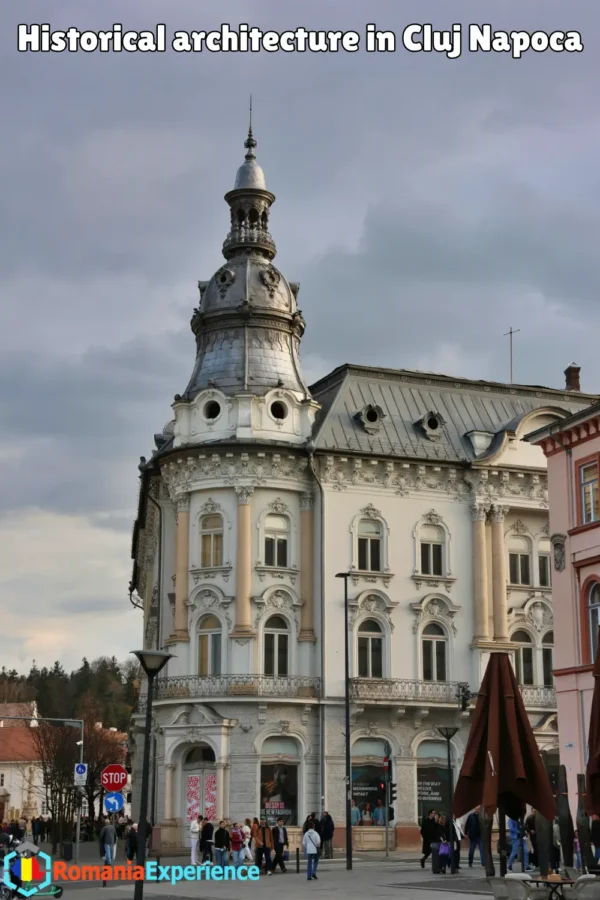
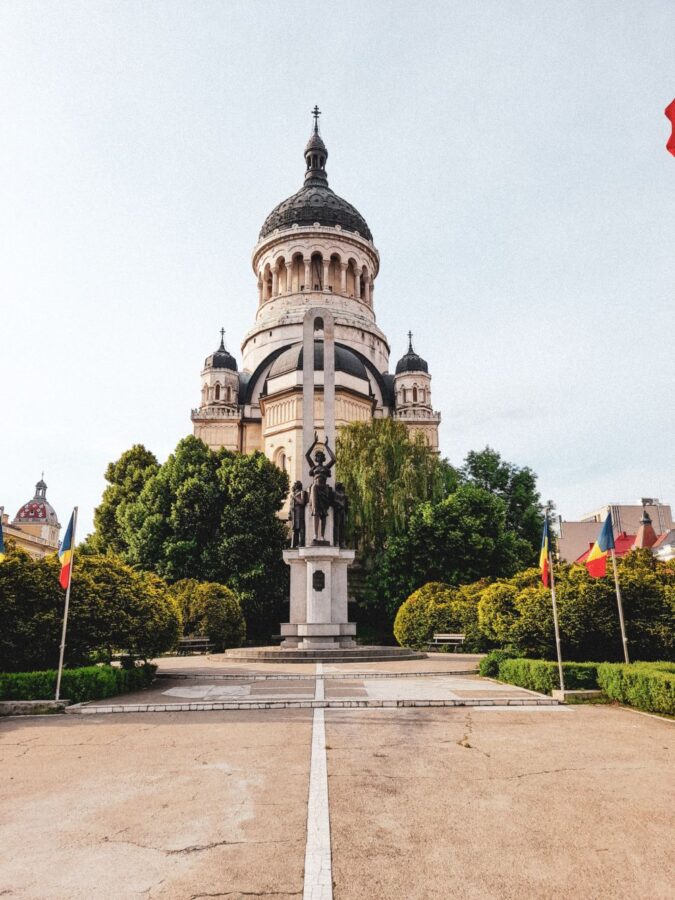
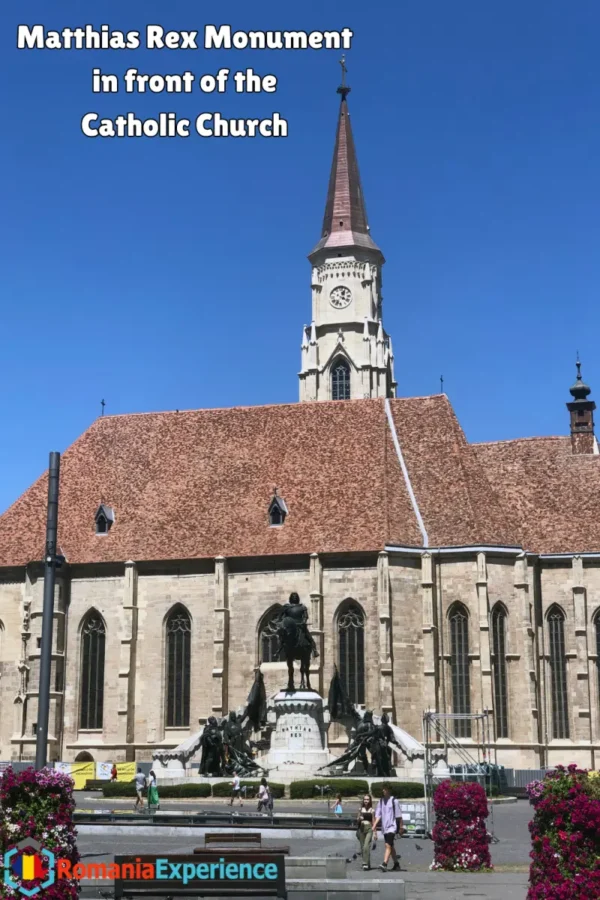
Architecture is a big plus in Cluj-Napoca. Living here will have you walking every day among old buildings in good condition, making you dream about life in the past.
Modern architecture has also made its way into the city and even though there are still plenty of communist buildings present, there are still plenty that offer eye candy.
And eye candy also comes from the green areas. Although not aplenty, you have a few truly high quality ones.
I’m talking here about Central Park, Cetatuia Hill and Hoia-Baciu Forest – corners of nature with fresh air and green areas to explore for free during weekends.
Plus, the Botanical Garden, which is an oasis of silence that easily takes you out of the context of the city and walks you through the most beautiful gardening cultures in the world, among waterfalls, lakes, bridges, forests, greenhouses, towers and more.
7. A City of Culture (and the Untold Festival)
It is not only a destination for architecture lovers but also for those passionate about the arts.
Cluj has a national theater and opera house, plenty of churches, museums, statues and impressive buildings, all ready to tell stories to those interested in listening and exploring.
Last but not least, the city is the host of one of the most popular music festivals organized in Romania. If you love concerts, Untold is held here every year.
If you’re lucky enough to live close to the location where the music plays (and it plays really loud) you’ll get to listen for free, no ticket needed.
Of course, this could also be a Con if you’d rather sleep during the few nights of the festival.
And if you’re into music festivals, I recommend checking my list of the top ones in the country, or take a look at Beach Please, and the impressive Nibiru in Constinesti, Romania’s brand new festival city (basically, a massive entertainment resort by the sea).
And if all these pros sound good, I recommend checking out my accommodation recommendations in Cluj Napoca for a short day – spend a few days there before you make a more permanent move!
Cons of living in Cluj Napoca
There are some negatives when it comes to living in Cluj – just like everywhere in the world. Let’s check them out below!
1. It’s Expensive
Renting an apartment is expensive in Cluj Napoca – and the same goes about buying any type of property here.
Rental prices have become higher than those in Bucharest in many instances, which was never heard of before.
Due to the high demand amongst students who come to Cluj for some of the best Universities, but especially the well-paid IT specialists, the prices for rental and real-estate have grown considerably in comparison to all other cities in Romania.
The same goes about every other cost in general. While supermarket prices are the same throughout the country, smaller shops and restaurants will be more expensive here.
You can read more about the cost of living in Romania (Cluj as well) once you’re done with this article – but prepare to pay a premium for living here.
2. Traffic is Awful & Parking Spaces are Few
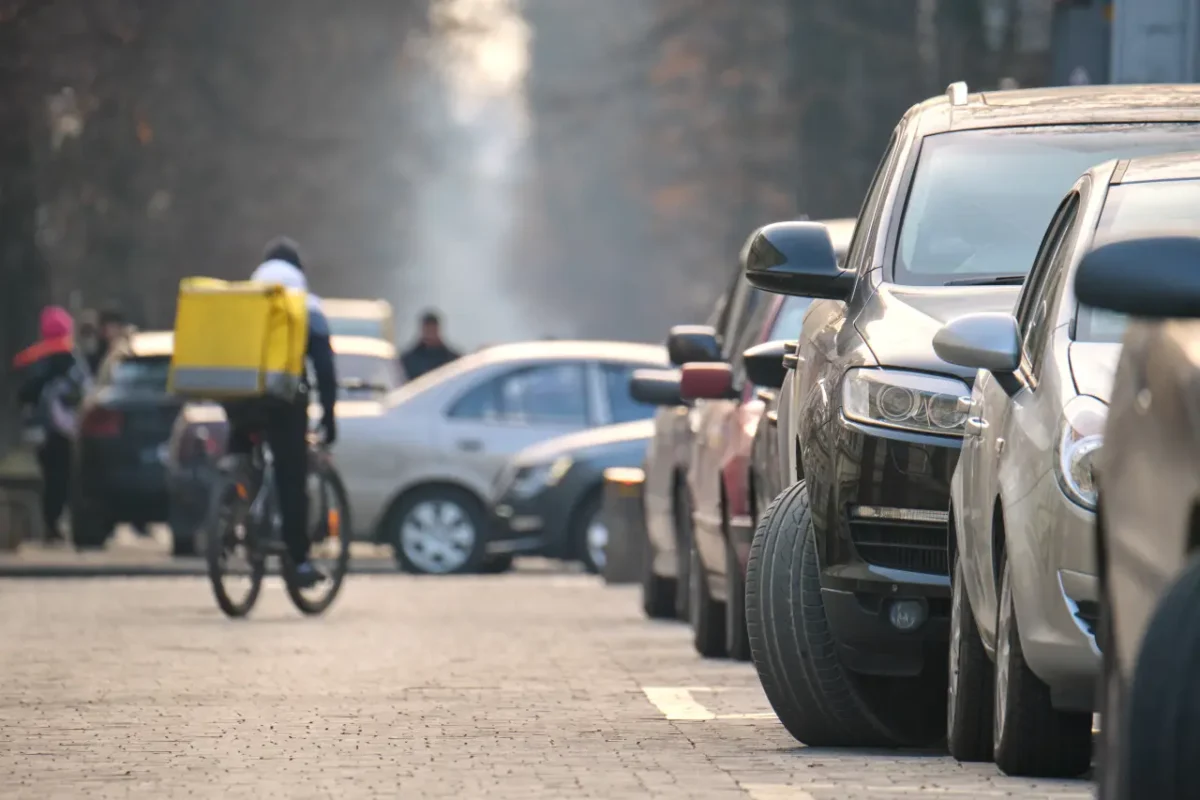
With a constantly increasing population, a booming software industry, evolving business world and plenty of students, the car traffic gets really congested at peak hours and is pretty intense for the rest of the time.
Everyone tries to get to their destination, and the space on the road is simply not sufficient for all the cars, means of transport, and people.
This is a problem that you will see in every Romanian city and I believe the poor infrastructure is here to stay (although in Cluj, things will probably improve a bit once the metro becomes operational – but even that is years away).
And if traffic is bad, finding a parking space is even worse, even if we’re talking about paid ones. It’s similar to what I shared in my Constanta Pros and Cons article so again, something you will struggle with in all big cities.
3. Not VERY well connected to the world
Even though there is indeed an important international airport here in Cluj, as well as a train station with good connections to Hungary, you still don’t have plenty of options when it comes to visiting the rest of Europe.
Sure, you don’t move here just with the idea of leaving, but if you do want to travel, the options are somewhat limited. However, you still have plenty more options that in any other city in the country except for Bucharest.
As a bonus, though, Budapest is really close and from there you can basically go anywhere.
Where to Live in Cluj-Napoca as an Expat
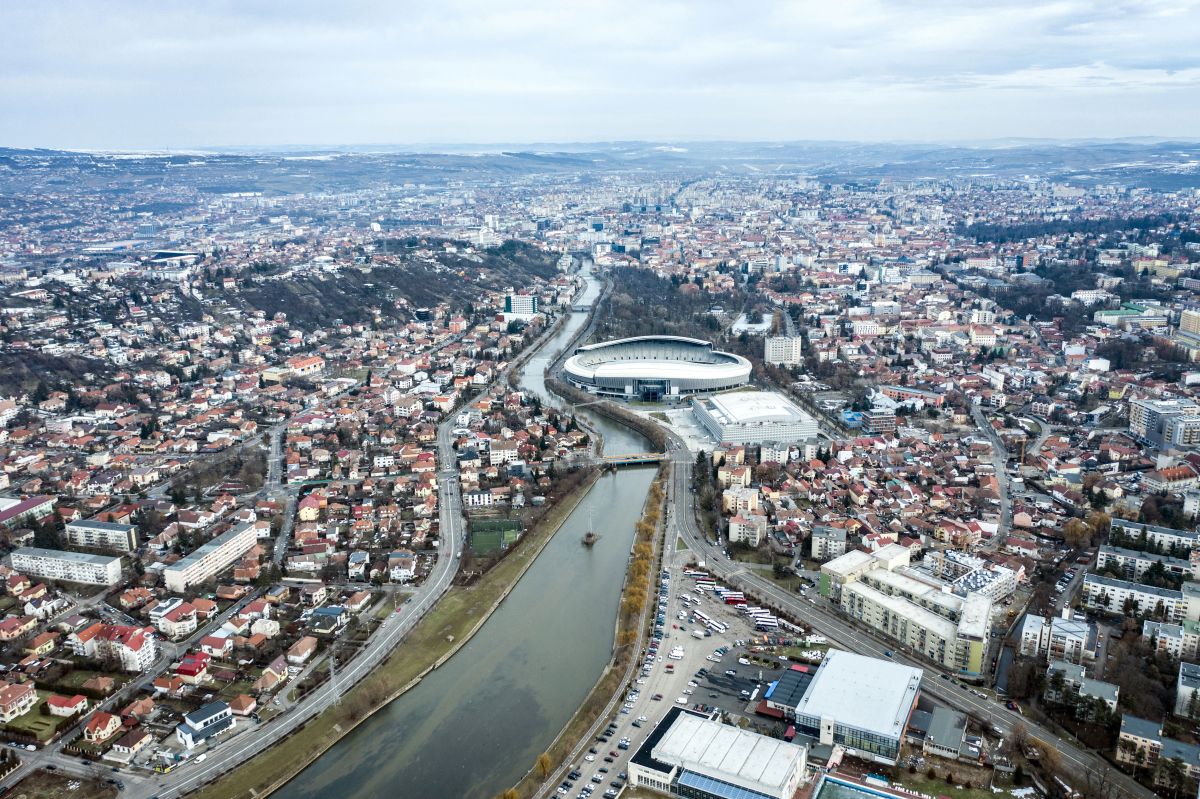
Most of the areas in Cluj are great choices to live in and you should pick your spot based on how close you are to your work or your main point of interest (university, parks, etc) to avoid the city’s traffic problem.
If none of these matter, then your obvious choice would be to live as close to the old city area as possible, as that is where the great stuff is.
Other great areas to live in are those relatively close to the city center: Zorilor to the South and Marasti or Intre Lacuri to the East. To get a much clearer picture, I recommend reading my article talking about the best areas to live in Cluj Napoca.
Is Cluj Napoca Safe?
Like most of the country, Cluj is a very safe city to live in. You will never feel unsafe walking late at night, nor risk getting mugged at any time of day.
While petty crime is present in Cluj Napoca, most of the city’s areas are very safe and you shouldn’t worry too much about your safety.
Very few people own guns here (and throughout the country) and violent crimes are few and far in between and never aimed at the random stranger or expat. So overall, you will be very safe in Cluj.
If you want to get even more in depth with this topic, I have an article regarding safety in Cluj here.
Can you drink the tap water in Cluj Napoca?
Tap water is safe to drink in Cluj, but the quality varies depending on the area of the city you live in.
The central areas have better water, coming from underground sources, while the newer neighborhoods get their water from the nearby Tarnita river.
This is why people living in the younger neighborhoods that get their water from the river prefer bottled water instead of tap water.
Some even complain that the taste of water is unbearable and bitter, but the truth is that all tap water in the city is treated and you can drink it safely, no matter what the taste is. It’s mostly a matter of preference to go for bottled water instead.
Lifestyle to expect in Cluj Napoca as an Expat
Cluj Napoca is a vibrant, beautiful city with a growing interest in culture and arts. As a result, the offers in these areas keep growing and improving.
Being a city that draws in a more affluent population, it also has some higher standards of living compared to your regular Romanian city, but since it also has a lot of students, if also offers various options when it comes to cheap entertainment and living.
In other words, Cluj can be exactly as you want it to be: a young city with all-night parties, cheap alcohol and cheap food; or a higher brow city, with classical music, chic restaurants and luxury accommodation for you.
Which is a great thing – few cities can mix and match two completely different types of living as nicely as Cluj does, without being huge and chaotic as Bucharest is, for example. (Speaking of which, check out my recommended Old Town hotels in Bucharest here).
The expat scene is also very much alive, with people coming to live and work here from all parts of the world, from within the EU and outside of it. You will surely find a group of people to spend your time with – and that includes the locals who are generally welcoming and friendly.
Also, the city has some of the best private healthcare options in the city and, even though a bit more expensive than in the rest of the country, they will still be affordable.
Expect monthly plans to start at around 50 Euros per month, including some basic tests and consultations, while a visit to a specialist will also cost around 50 Euros.
Conclusion
You now know the pros and cons of living in Cluj-Napoca as an expat, and a few other details about one of the fastest-growing cities in the country. And I think you will agree with me that the advantages far outweigh the drawbacks.
The expensive property market sounds like a deal-breaker, but the high salaries for IT specialists and the plethora of work opportunities make up for it.
Also, don’t forget that, even though expensive by Romanian standards, the country is still one of the cheapest to live in within the European Union.
With a pretty large expat population (at least compared to the rest of Romania) and its centuries spent under Hungary’s occupation, this is a city considered to have a more Western feel than most in the country.
English is widely spoken and there are opportunities to easily meet new people, no matter what kind of friends you’re looking for.
All in all, Cluj Napoca is a city where a family of three could live on as low as 2,000 Euros per month if they’re living as the locals do.
If Cluj is not your type of city, I’ve written in-depth analysis of other potential cities to move to or retire to in Romania: Drobeta Turnu Severin (extremely cheap!), Timisoara, Brasov or Bucharest.
Have you been to Cluj Napoca in Romania? Are you planning to move here or retire in this city? Let us all know by commenting below!

I am a journalist and local expert who has been documenting life in Romania since 2013. Based in Constanta (after living in Bucharest and Drobeta Turnu Severin), I provide up-to-date, on-the-ground advice for expats and travelers. My articles are based on real life experiences and plenty of research – from paying Romanian bills to exploring the wild “Rawmania” countryside.
Cluj Napoca sounds like it would be a lovely way to ease into the Romanian lifestyle. We didn’t get to visit, but it looks very nice. I can understand why it’s a rapidly growing city, especially for IT workers. Next time hopefully 😆.
Since it’s so far away from Bucharest, it’s relatively difficult to visit both during a stay in Romania… but it is indeed worth it. And just like Bucharest, it has some impressive attractions just a stone’s throw away, like the impressive Turda saltworks.
Ok! Next trip to Romania Cluj is a must see for me!
I am sure that you will absolutely love it, Tim! And don’t miss the saltworks in Turda once you get there, it’s a pretty spectacular thing to see as well.
hello C,
great insight about Cluj Napoca. are there opportunities for an audio engineer in Cluj?thank you.
I can’t say for sure, but I can’t see why not 🙂