
Writing an article about Romanian culture is a difficult task, because there are so many things to cover – a book would do this topic more justice. But I have to try and at least cover the basics and share everything I feel you should know about this country’s culture.
I’ve touched on the subjects in various other articles, from details about vampires to life in a Romanian village, amazing traditions that still stand, great foods you can try here, and even my guide to Romanian women (or men, because they’re great too – ahem!)
But there’s always more to say, so I’ve decided to create this article to help you better understand Romanian culture before visiting. So let’s jump straight in!
Love reading Romania Experience? Support my work on Patreon to help fuel future guides, constant updates, and get ad-free access as a thank you!
Traditional food
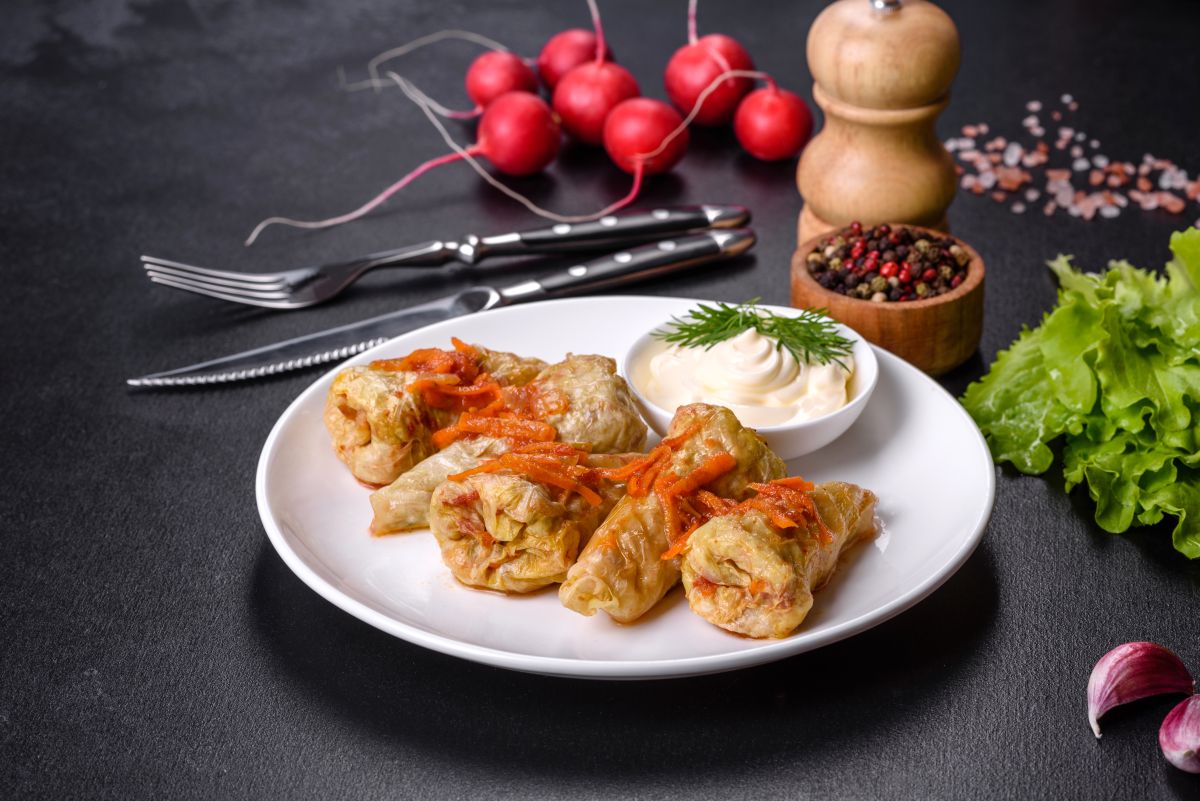
The cuisine in Romania is an eclectic fusion of many foods from various traditions with which it has come into contact. To most of these, there’s a personal touch attached to make foods our own.
Turkish food, several European cuisines, particularly those originating from the Balkans or Hungarian food, as well as gastronomic features derived from the foods of Eastern and Central Europe – all of these have had an impact on Romania’s traditional dishes.
In other words, expect to find a delicious mix of everything here, with personal touches to make the foods more “local”.
Food will probably be one of your first interactions with the Romanian way of living and I don’t think you’ll be disappointed.
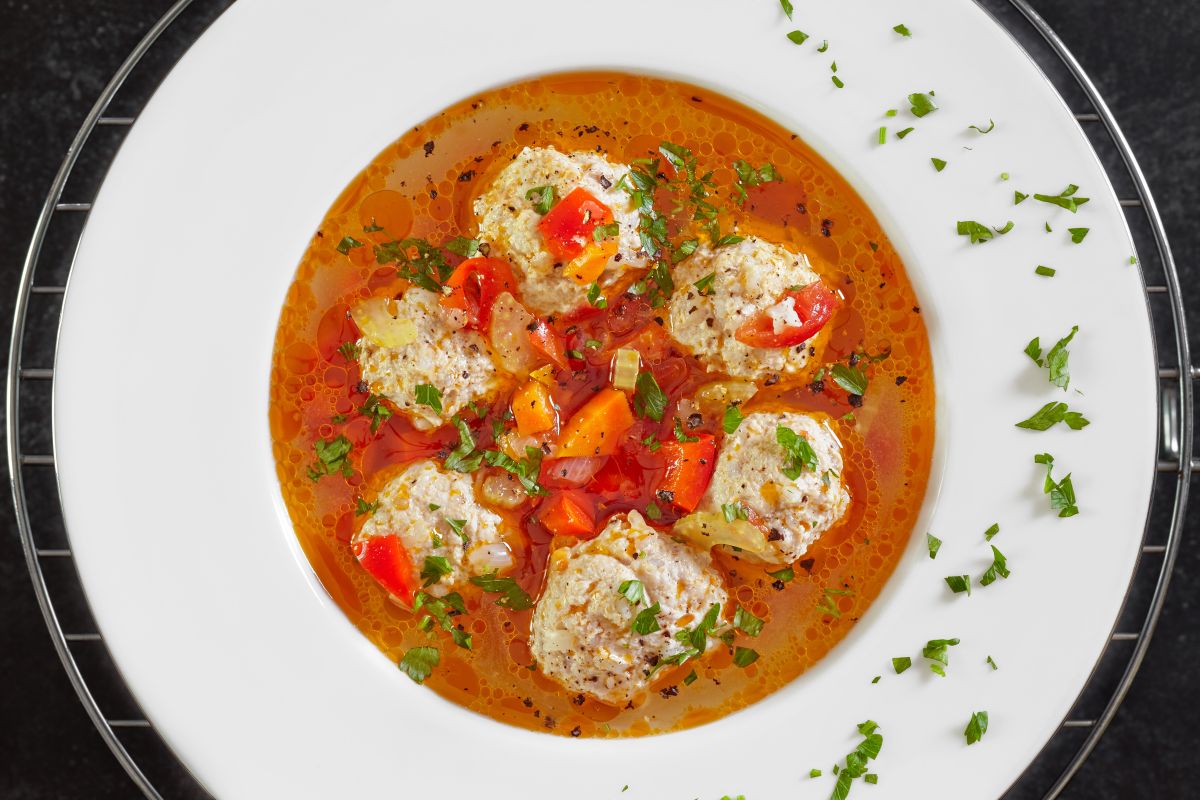
Various foods are occasionally grouped together under a general word; for instance, the class ciorbă comprises a variety of soups with a distinctive sour flavor and is what people would normally call a broth.
Fish soup, tripe, calf foot soup, and other versions can be soured with lemon juice, sauerkraut juice, yogurt/sour cream, vinegar, or borş (traditionally made from bran).
Also, each region might have specific foods or different interpretations of the same dish.
Vegetarians will find salads, grilled vegetables, and beans, but meat and dairy dominate most menus, especially outside big cities – an important thing to keep in mind if you don’t eat meat.
In Romania, a moniker for a strong alcoholic liquor is called ţuică (plum brandy). While people don’t really drink it that often anymore in the cities, and it has become a thing that tourists try more than locals… it is something you should try.
But don’t expect to find it on the menu of the most popular pubs in any city…
Also, food prices in Romania will seem affordable, especially if you compare them to those in Western countries. If you wish to plan your budget ahead, you can find here the prices for food and beverages for a variety of products, including restaurants.
Social interactions
English is widely spoken across Romania and even in the regions where it’s not (usually the villages), you will still be happy to see that people will do their best to make you their friend.
Like most people in Eastern Europe and the Balkans, Romanians are extremely friendly. They love to have you as their guest, and they will always go to great lengths to make sure you feel good and welcome.
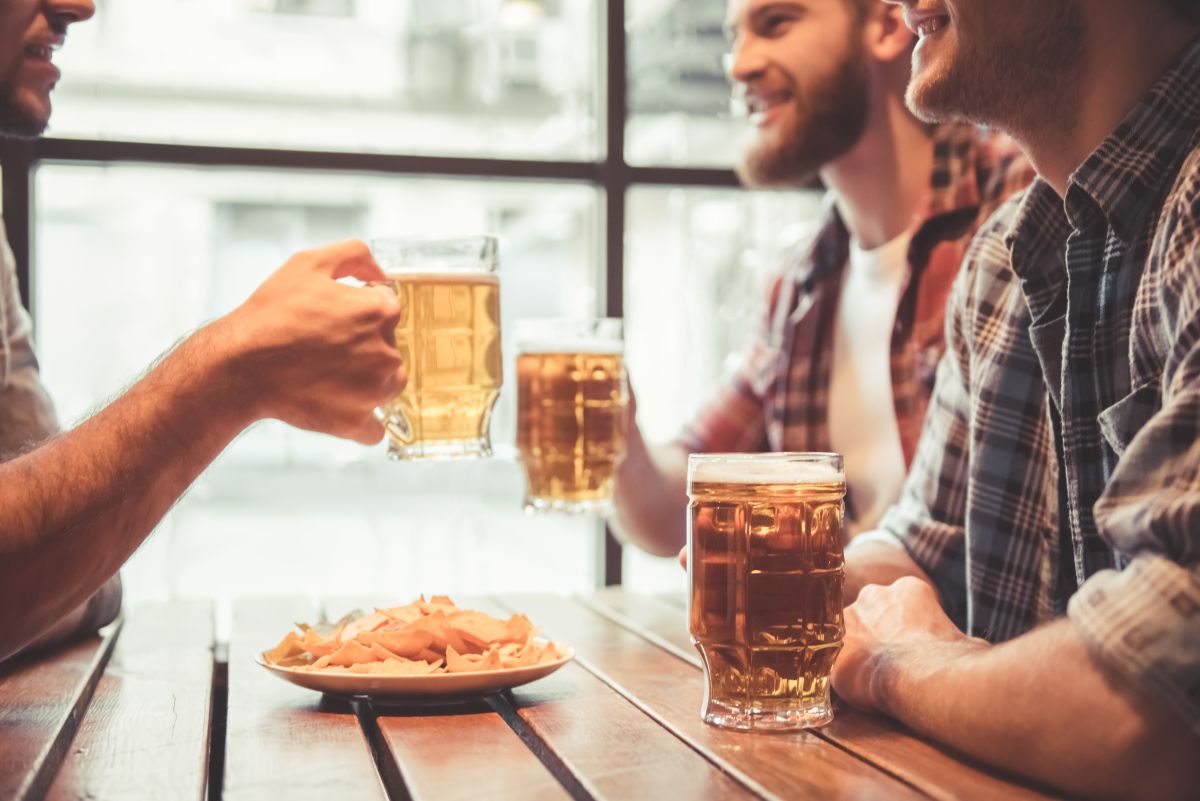
You can strike up conversations on the street, but it’s easier in more social places like pubs, restaurants, or events. This way, you will make friends quickly and feel more at home in Romania.
When it comes to greetings in Romania, a handshake is the norm for men, but close friends or family greet with a kiss on both cheeks or at least a hug. Always greet shopkeepers and neighbors – a simple “hello” is usually enough. And if you want to go the extra mile, you can learn how to say it, as well as thank you here.
If you’re invited to someone’s home, it’s customary to bring a small gift – flowers for ladies, a chocolate, or a bottle of wine. No need to go overboard, though, but keep in mind not to go there empty-handed.
Take your shoes off at the door unless your host insists otherwise. Expect to be offered food or drink, or at least some sort of a snack – accepting is a way of showing respect. Plus, when it comes to this, Romanians will rarely take no for an answer.
What Not to Do: Avoid speaking too loudly in public, and don’t criticize local traditions or the food. If you’re visiting a church or one of the many beautiful monasteries in the country, dress modestly and follow posted rules (usually in Romanian only): women are generally expected to cover their heads, while shorts are frowned upon for all genders.
Family, Holidays, and Everyday Life
Family is the backbone of Romanian society. Many people live close to or with their parents and grandparents. Respect for parents is strong, and it’s to uncommon to see three generations sharing a meal or even the entire home.
Living with your parents is not as frowned upon as it is in other countries, and parents are expected to help their children even after turning 18, and children – their parents, when they can.
Romania is an Orthodox country, and religion still plays an important role here. The Orthodox Easter is an important holiday here (with delicious Easter foods, too): expect to see people bringing painted eggs and homemade cakes to church, and families gathering for feasts.
Christmas is equally special, with caroling, traditional foods, and lots of homemade sweets on the menu. On March 1st, Romanian men offer ladies the Mărțișor – little tokens of spring, which you’ll see everywhere in shops and on lapels.
Name Days, related to a specific saint sharing the same name as the person being celebrated, are almost as important as birthdays. Don’t be surprised if someone receives calls and messages all day for their “ziua onomastică.”
Weddings and baptisms are major events, sometimes lasting all weekend, and are great windows into Romanian customs: expect lots of dancing, tons of food, and strong spirits, too.
To learn more about each, go in-depth with my articles about wedding traditions in Romania, as well as what to expect from a baptism party here.
Literature, arts & movies

While I doubt that reading the country’s classic authors will blow you away, there are still great, more modern authors you should read.
From Nobel-prize winning author Herta Muller to Mircea Cartarescu, Horia Roman Patapievici, Gabriel Liiceanu and Andrei Plesu, you’ve got a variety of great writers still producing amazing novels and poetry, including more recent names that are pushing the boundaries of literature to a maximium and create interesting reads.
While we’re not yet very big in the more entertaining or more commercial areas of literature, the more serious topics debated by current authors are great.
And even though I believe otherwise, you should still check our classics. From Romania’s national poet Mihai Eminescu to Tudor Arghezi or Nichita Stanescu, to novelists Ion Creanga, Mihail Sadoveanu or Ion Luca Caragiale, you might find something enjoyable.
I am not sure how much of Romania’s literature is translated into English (or other languages) but I believe not a lot. A good reason to start learning some Romanian, right?
You can start slow with learning how to say Merry Christmas in Romanian, how to say Happy Easter or how to say “I love you”.
Or go for the more visual part of the artistic spectrum. Romanian movies are well represented by young (and old) directors and actors, and our movies win prizes at various international festivals regularly. No Oscars yet, though.
I personally am not a fan of Romanian cinematography, as most of the movies produced have a really low budget and therefore have to find other ways to be entertaining or interesting.
Therefore, they’re usually on the darker side: deep, gritty, annoying. Foreigners love them, mainly because they find it hard to believe that they depict reality, but in some cases, for us locals, it’s difficult to watch them as it’s like receiving slaps on your face.
Or maybe that’s just me having no idea what good movies actually are. I do prefer sci-fi titles and B-flicks with crazy plots, so don’t really take my opinion for granted.
Finally, music covers everything from folk (with haunting flutes and fiddles – learn more about Romanian folk music here) to modern pop and hip-hop, and also the infamous manele music. In this category, it’s impossible not to find something you’ll truly enjoy.
Romanian tales
Bran Castle is frequently connected to the made-up vampire Count Dracula. The Romanian castle is comparable to Castle Dracula from Bram Stoker’s 1897 novel in that they lie on rocky cliffs with breathtaking vistas.
However, it is unknown whether Irish author Stoker ever travelled to Romania. But it’s a welcome coincidence and something the world – including the Romanians – have accepted.
Even though Vlad the Impaler (also known as Vlad Dracul), the historical figure most strongly associated with Bram Stoker’s Dracula, never lived in the Bran Castle. Ah, the lies we accept just for having fun!
If you have already visited this castle, or you are a big fan and wish to find out more destinations like this, you can check the list of the best castles in Romania, which will definitely make you feel like a part of a novel or a movie!
Village museums
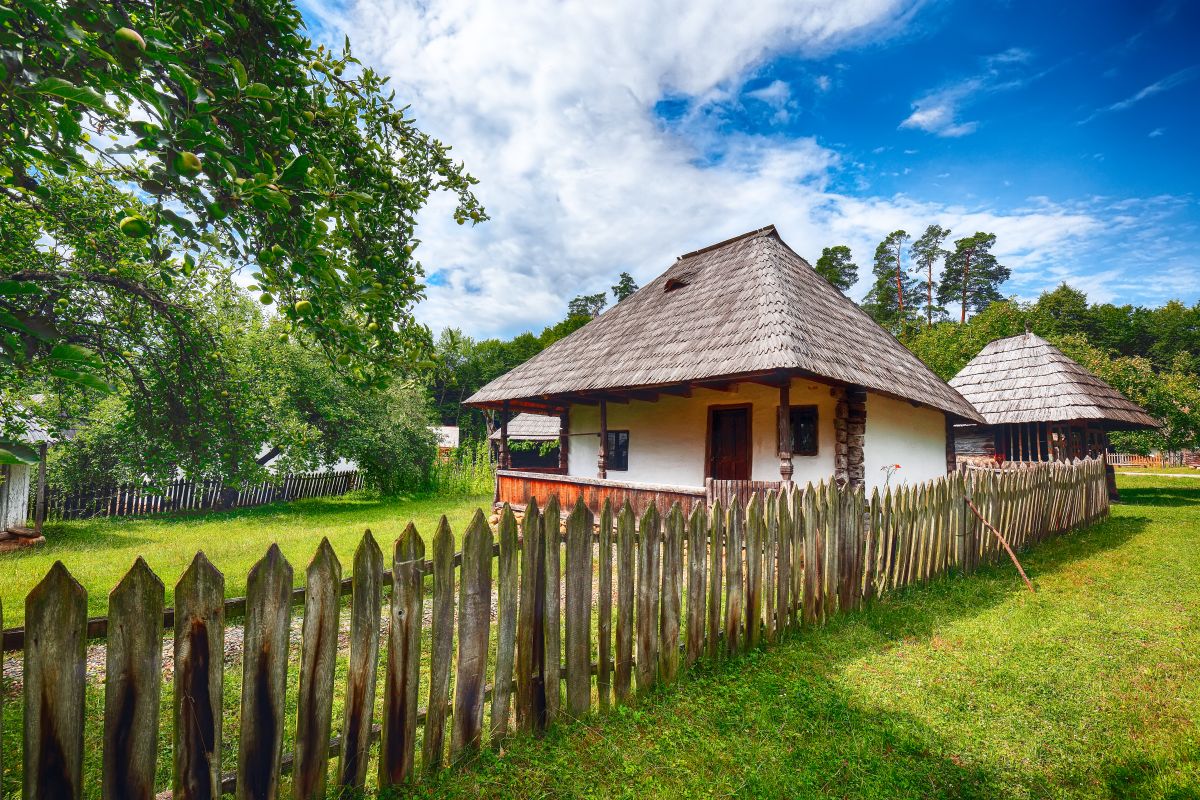
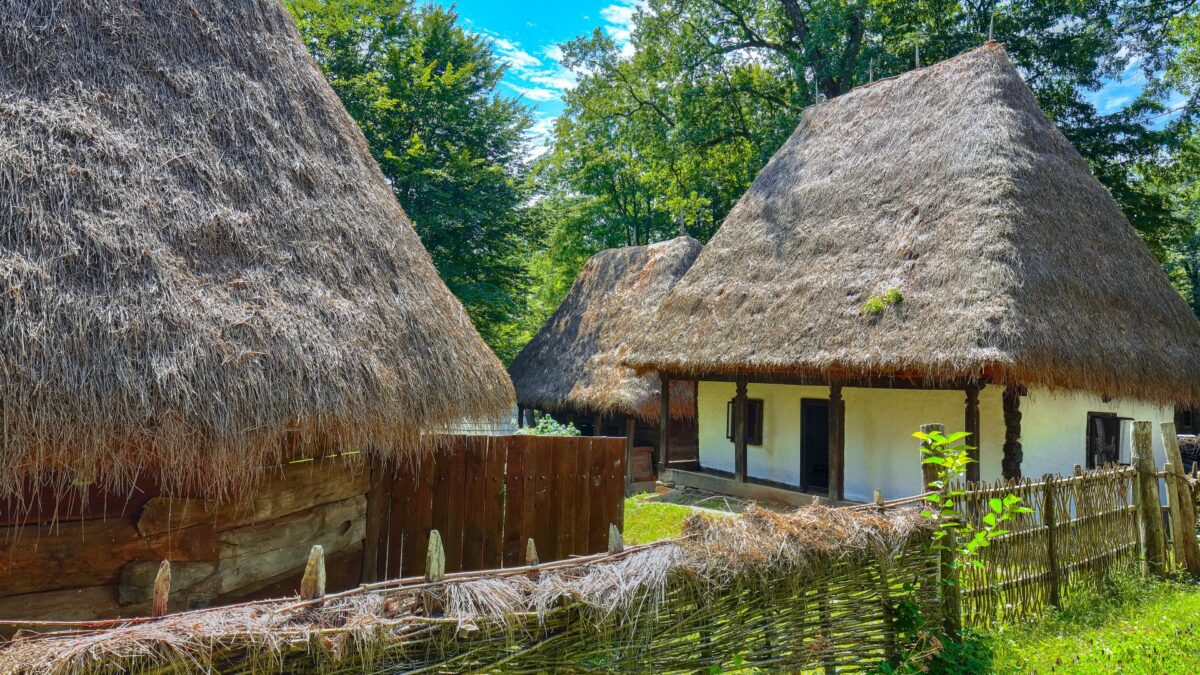
Touring Romania’s most picturesque villages would be the most fantastic way for a tourist to learn about the country’s traditional heritage and architecture. If that is not a possibility, local museums are a close second.
There are numerous additional options around Romania, among which one of the biggest and most well-known outdoor museums is located in the nation’s capital, Bucharest.
For instance, the ASTRA Museum in Sibiu, which has the most extensive open-air ethnographic exhibition in Europe, is unquestionably worthwhile.
Visiting these museums will help you get a better understanding of how people used to live here – and some of them still do live like that, more or less.
If this is something you are interested in, you can get a bit more in depth by checking out my family’s Romanian village house, as well as full details on what it’s like to live in a village in Transylvania.
The Merry Cemetery
The folks of Romania are friendly and chatty. They enjoy spending time with others and engaging in conversation.
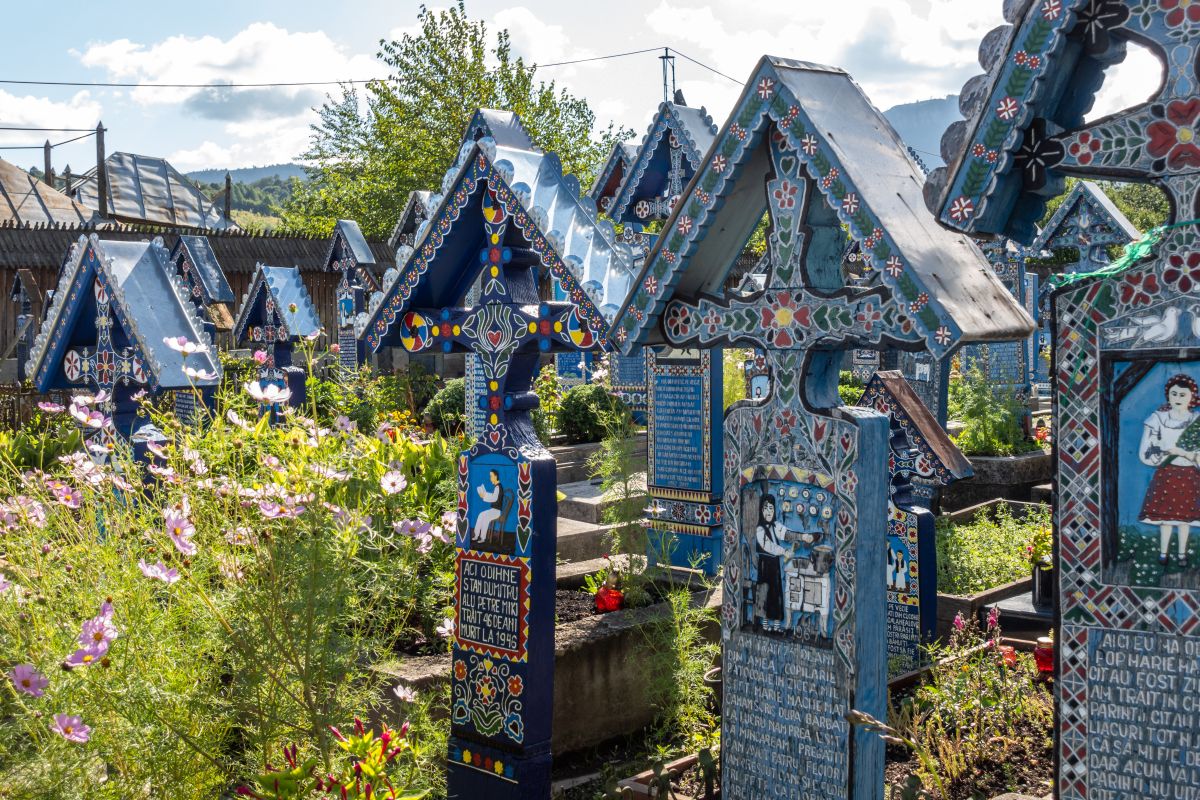
One characteristic that might be unique to the Romanian people is their joyous lifestyle and sense of humor, which are also reflected in the Merry Cemetery – a unique thing in the country and definitely not too common worldwide.
Each person visiting the graveyard is amused by the funny inscriptions about the deceased’s existence carved on their gravestones.
Since they have been painted with pictures and decorations, the gravestones are also not lifeless and offer a different (and slightly better, in my opinion) approach to the entire burial ceremony.
Sarmizegetusa citadel
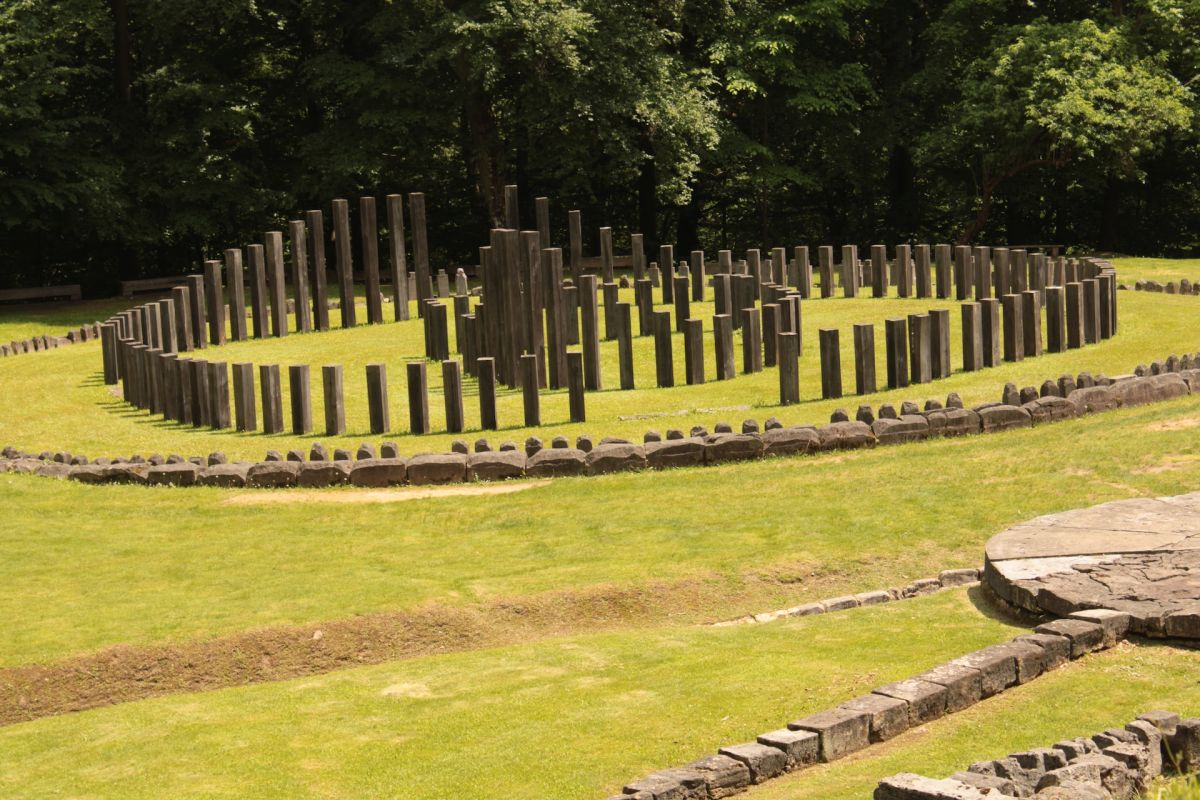
Sarmizegetusa Regia is one of Romania’s earliest, most unexpected, and enigmatic historical sites in the Carpathian woodlands.
This location, which served as old Dacia’s capital, served as the hub of the Dacian defence system before the Roman invasion beginning in the second century A.D.
It is currently one of the six Dacian fortification systems recognized by UNESCO. For those who love history, Transylvania should not be missed.
The Black Sea
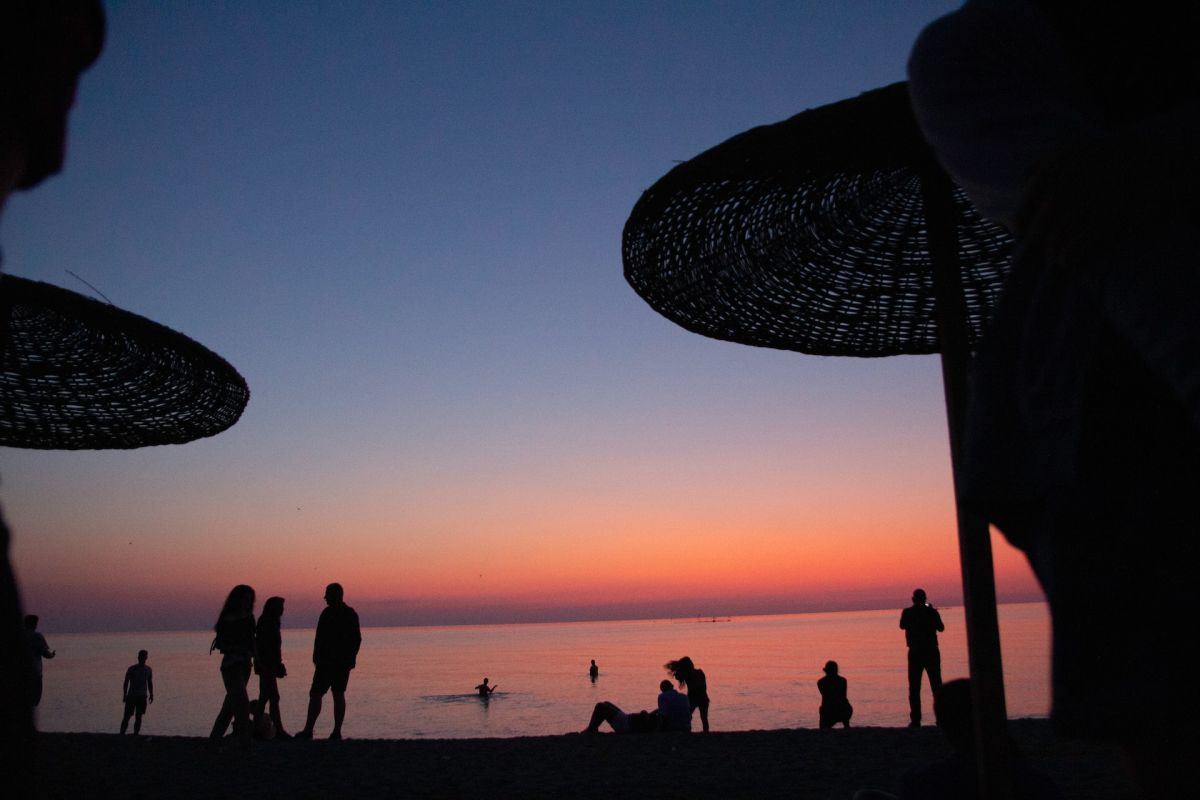
Whether searching for water activities, partying, treatments and procedures, or a hideaway, a well-organized beach is the perfect location to try these all out.
Who knows, maybe you will find your soul mate here – no matter if we’re talking about a girl or a Romanian man. Truth is, you will surely make new friends, no matter what. Romanians, as I’ve mentioned before, are really friendly!
If you are interested in history, you shouldn’t miss the chance to see Histria City, the earliest Greek colony on Romanian land, which dates back to the period of 657 B.C. The Enisala Citadel and Corbu Beach are both nearby to where it is located.
Conclusion
No matter how stunning a nation may be on the outside, its people are ultimately what will distinguish it.
The perception of Romanians is that they are incredibly hospitable and kind. The most astonishing thing is that you can find English-speaking people practically anywhere, particularly in the younger population.
The people will try to make accommodations for you or direct you on the proper route even if they can’t.
They might even volunteer to walk you to your destination if it’s not too far. If you are not convinced that Romania should be on your “bucket list” of destinations, you should read 30 Reasons to visit Romania and enjoy the fantastic photos.
Also, Romania is also one of the most affordable European nations to visit, despite the recent increase of prices.

I am a journalist and local expert who has been documenting life in Romania since 2013. Based in Constanta (after living in Bucharest and Drobeta Turnu Severin), I provide up-to-date, on-the-ground advice for expats and travelers. My articles are based on real life experiences and plenty of research – from paying Romanian bills to exploring the wild “Rawmania” countryside.
Thanks for the new article. It’s a great first taste of Romanian culture and historical sites. Romania really has so much to offer. A real diamond in the rough!
There is indeed a lot that this country has to offer and hopefully, I will be able to sometime cover most of them on this blog.
I love the idea of the merry cemetery. I would like to visit it. I also love Romanian food, it is hearty and delicious. I think on the last day of our visit, if l remember, we had some tripe at a local place and we both loved it. Tripe is a staple in both Italy and in Nigeria. We still eat it a lot :-).
Ah, yes! Tripe is also very big here, with many restaurants competing (unofficially) to offer the best one you can eat. I have to admit that I didn’t like it a lot when I was a child… but it grew on me and now I can have it anytime.
Well sadly, young Romanians downgraded. If you don’t get what I mean is that young people are now obsessed with showing how cool they are and fail almost everything, copying bad nations, despite having money to purchase houses they still choose rent since westerners do, they downgrade themselves trying to look rich and developed while they aren’t, only a few young people remained normal like myself and others I barely find.