
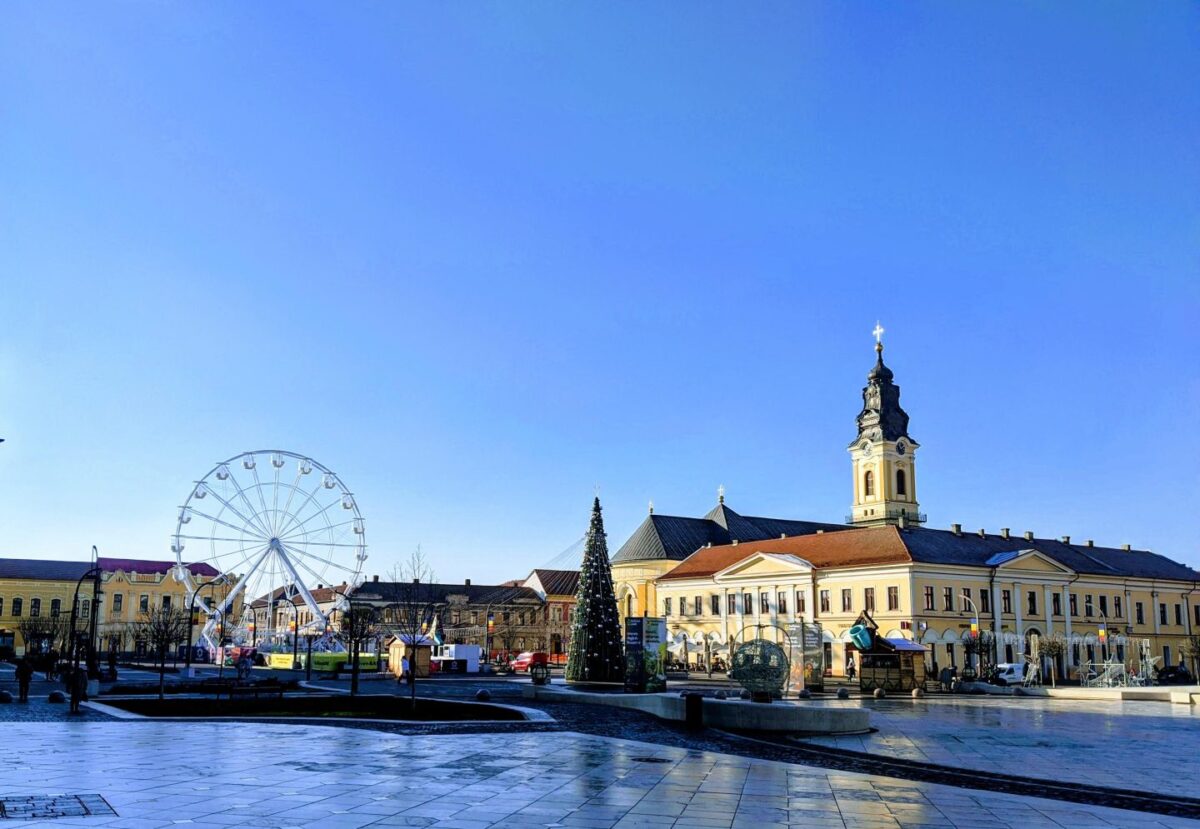
Romania has officially leveled up with its full Schengen membership now in effect since 2025. This means zero passport queues when you land, and – finally – seamless driving across land borders if you’re entering by car/bus/train.
But the ease of access is just the bonus. The real story is what’s happening on the ground. You are arriving in a country that is perfectly balancing its raw, medieval roots with a surge of modern infrastructure.
From the newly operational mountain airports to the tech-savvy streets of Transylvania, the travel experience here has never been smoother and better, and today I am here to share the top 15 cities in Romania that you should visit this year.
These cities are perfect both for a short(er) getaway, or for those interested in relocating in Romania. For those of you in the latter category, I also have a guide on how to get your residence permit, or a registration certificate if you’re an EU citizen.
1. Bucharest – The City of Contrasts
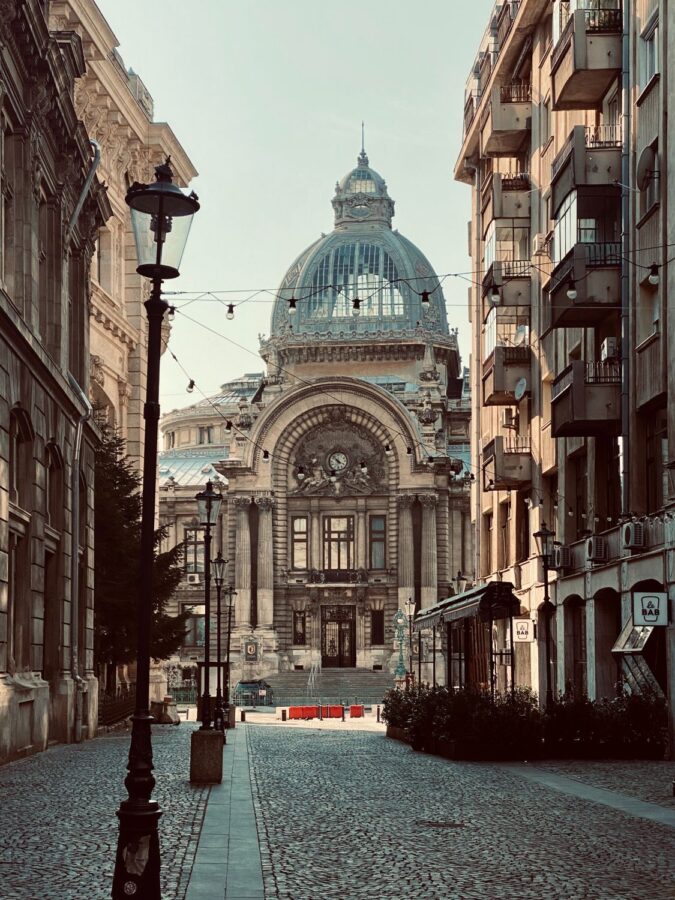
As cliché as it sounds, I have to start with Romania’s capital. It is the definition of contrast.
Crazy, busy streets, amazing historical buildings next to modern ones, some unfinished projects thrown in for good measure and plenty of things to see and do make Bucharest a unique city in Romania and the world. This is why it will always be a great choice for travelers or those looking to relocate.
For travelers or those looking to relocate, it remains the primary hub. It’s where the jobs are, where the main airport (OTP) is, and where the nightlife never really stops.
You can read all my articles about Bucharest here, as there is a lot to cover.
What to See: Here, you can see the famous Palace of the Parliament which is massive and slightly surreal, explore the Old Town with its charming streets and great restaurants or simply stroll around trying to find a hidden gem that’s off the beaten path.
Local Tip: While Bucharest might not look picture-perfect everywhere, it has its charm if you give it a chance. Stroll around the central area (choose a centrally-located hotel for ease of access) and look for street art, hidden cafes, and cozy bookstores.
Also, if you have half a day, take an Uber north to Therme. It’s one of the largest wellness centers in Europe and a massive hit with visitors and locals alike.
2. Cluj-Napoca – The Transylvanian Silicon Valley
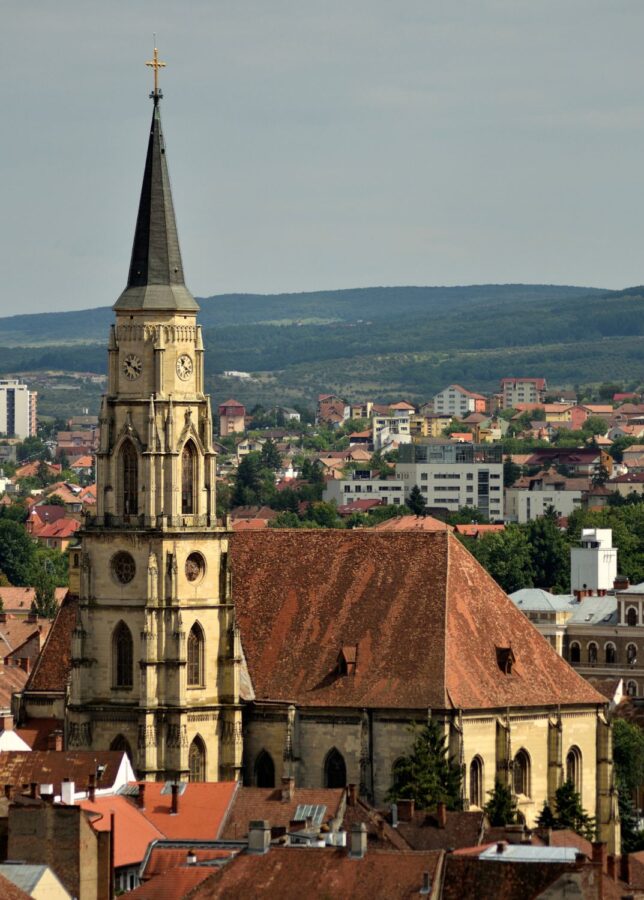
Many locals consider Cluj Napoca the most charming city in the country, so you know you’re up for a treat when you visit! This is the cultural heart of Romania, with a cool, artsy vibe that’s impossible to ignore and not fall in love with.
This is the “Silicon Valley” of Romania – expensive, focused on IT, dynamic, and currently under heavy construction as the city builds its first Metro line.
Cluj is the home of Romania’s biggest music festival – Untold – but also plenty of other great attractions (and something I will say a lot in this article, hidden gems that you will find strolling around).
The people living there are considered to be more laid back than those in the rest of the country, more educated and with a more “western” mentality (not as in Cowboys, but Western Europe).
What to See: Check out St. Michael’s Church, the tallest church in Romania, and walk through Central Park for a break from the city’s lively pace, before heading over to the Old Town area.
Personal Thoughts: While the city is becoming more expensive each day (in some areas, more expensive than Bucharest), it’s still worth seeing. Don’t forget to try the Hungarian-influenced food in Cluj – it’s delicious.
3. Sibiu – Romania’s Fairy-Tale City
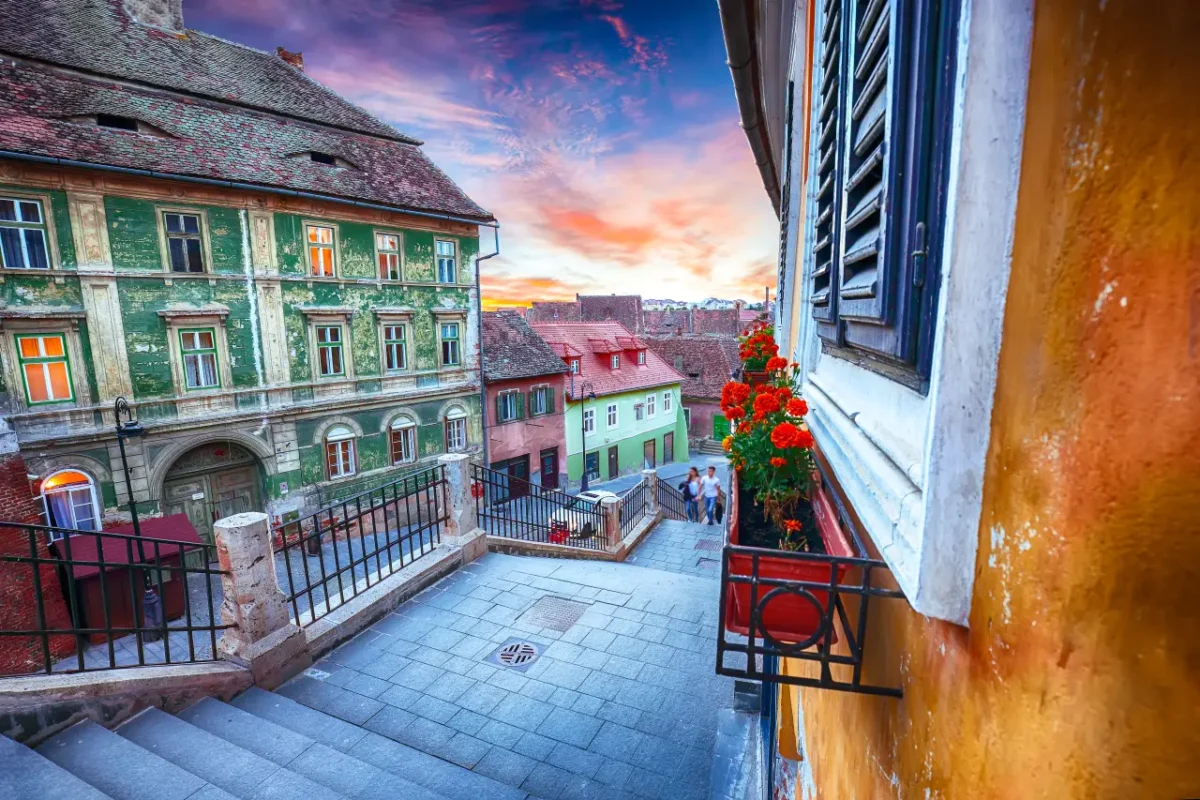
Sibiu is known for its Gothic architecture, cobblestone streets, and those unique “eye rooftops” that look like they’re watching you (yes, really – check the photo above to see what I mean!) It became popular after being elected the European Cultural Capital of 2007 and kept growing since.
What to see: Don’t miss the Brukenthal Palace, one of the oldest museums in Europe, and the Great Square, where cultural events happen year-round and close to which most of Sibiu’s attractions are found.
Personal Tip: I loved the ASTRA Museum in Sibiu and I wholeheartedly recommend it, even though it’s a bit off the beaten path. It’s a huge, beautiful open air museum that teaches you a lot about Romanian culture and how the people here used to live in the past.
Also read: While I will have a few of these in the article, if you’d rather go for small, lesser-known cities, you should check out my previous article sharing the most beautiful small cities in Romania.
4. Brașov – Mountains, History, and FRESH air
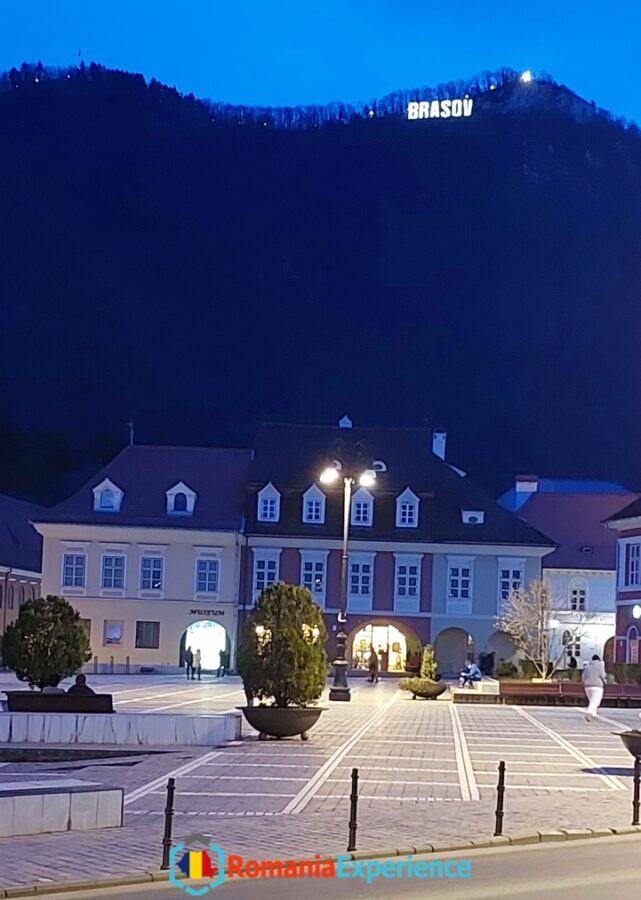
If you want history mixed with fresh mountain air, Brașov is the winner. But the biggest news for 2026 is that you can now fly directly here.
The Ghimbav (GHV) International Airport is fully operational, meaning you don’t have to land in Bucharest and take a 3-hour train ride or drive (though the train ride through the Prahova Valley is scenic).
It is truly a postcard-perfect city, especially in winter. With the Tampa hill nearby and its own Hollywood-style “Brașov” sign up on the hill, the old town square with all the attractions nearby, the city is charming and perfect.
Must-Do: Start in the Old Town at Council Square, then head to the city’s Gothic landmark, the Black Church. Head over to the Rope Street, one of the narrowest in Europe and then explore the entire area, culminating with a trip up the Tampa hill for breathtaking panoramic views over the city.
Personal tip: While in Brasov, you MUST plan to visit the small nearby towns, such as Sinaia with the fairytale Peles Castle, the mountain resort of Poiana Brasov and the slightly further-away Bran town, the home of the well-known castle of Dracula.
5. Constanța – Romania’s Beachfront Getaway
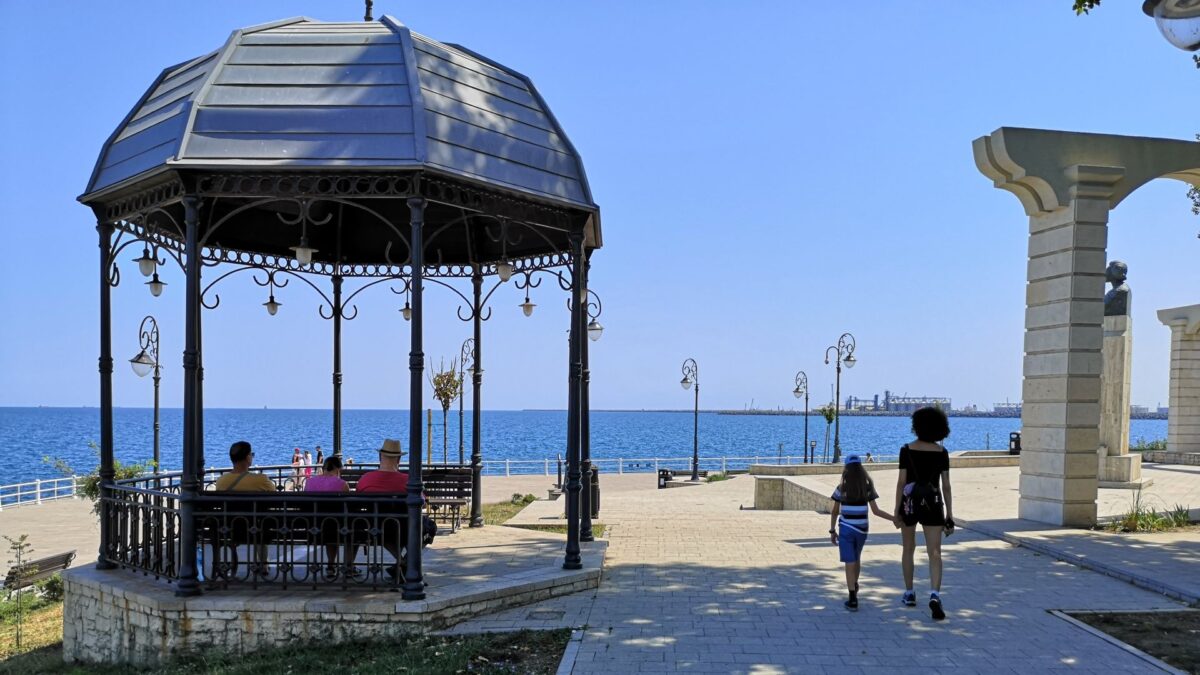
My family and I spent two years in Constanta and madly fell in love with the city, despite a rocky start. It’s Romania’s oldest continuously inhabited city and home to some of the country’s best beaches, as well as amazing restaurants, and free entertainment, mainly during the summer season.
While the main attractions can be easily ticked off the list in a couple of days here, the proximity to the beaches and the beauty of early-morning or evening walks by the sea, plus everything else that the city can offer make Constanta a place you’ll never want to leave. Or at least one you’ll always want to revisit.
Must do: Visit the nearby beaches, as well as all the nearby Black Sea resorts, including Romania’s top resort, Mamaia (you can even walk to it, depending on where you stay in Constanta).
Also check out the Tomis Marina and grab an otherwise expensive bite on the shore of the Black Sea, then head out to the Old Town area to explore most of the city’s attractions.
Finally, we have the iconic Art Nouveau Casino on the promenade which was under scaffolding for over a decade. As of 2026, the renovations are largely complete, and seeing this architectural jewel is a must.
Best Time to Visit: Summer is peak season. The city comes alive with festivals, the port is busy, and the air smells like vacation. However, late May and September are fantastic if you want to avoid the crushing crowds but still enjoy the sea.
6. Timișoara – The Revolutionary Legacy
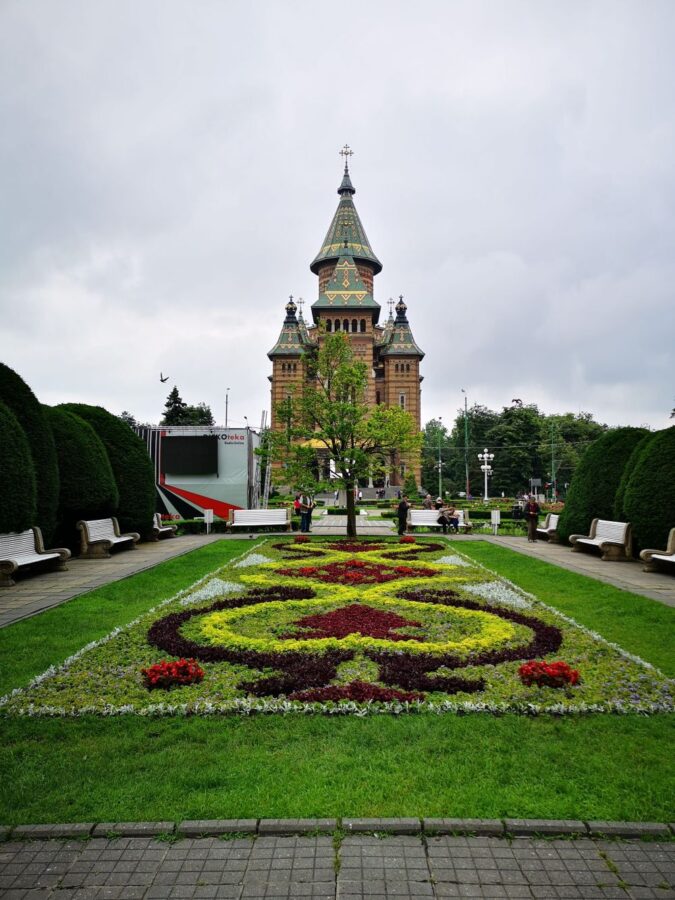
Timisioara is the city where the Romanian Revolution of 1989 began in, overthrowing dictator Nicolae Ceausescu and setting the country on its path to democracy.
This place has spirit, and you can feel it in the air as you walk through Victory Square and Unirii Square – both centrally located and part of the old school charm that the city brings.
Recently, it served as the European Capital of Culture (2023), and the city used that opportunity to renovate facades, fix up squares, and revitalize the cultural agenda. The city looks better now than it has in decades.
What to See: The whole Old Town area must be explored on foot, with Timisoara’s main attractions being located in the area: the Orthodox Cathedral, the Opera, and eventually the Bega river where you must embark on a quick boat trip down the river.
Fun Fact: Timisoara was the first city in Europe to have electric street lighting. So check out my recommended stays in Timisoara and prepare for an amazing experience!
7. Tulcea – Gateway to the Danube Delta
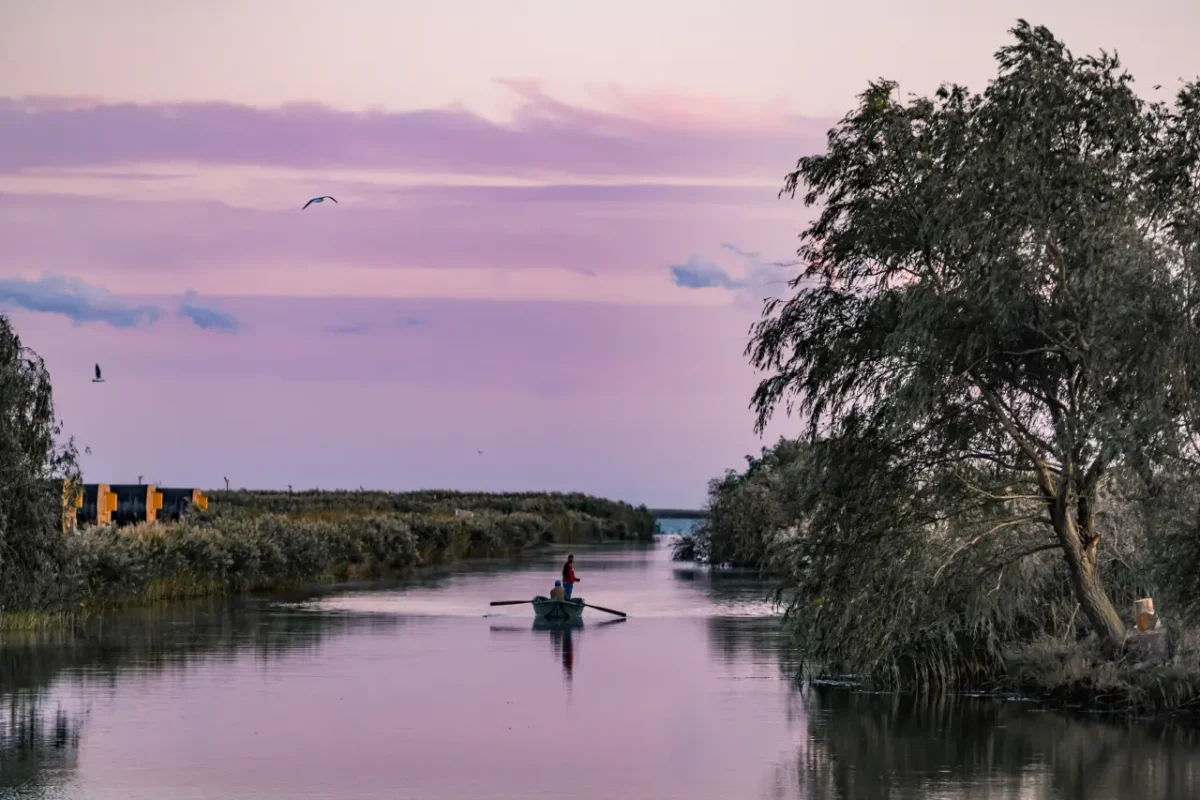
A new entry on my list this year, Tulcea is here for one main reason: it provides access to Romania’s Danube Delta, a major attraction that is unfortunately ignored and usually overlooked by most tourists.
The Danube Delta is a UNESCO World Heritage site and a biosphere reserve teeming with pelicans, wild horses, and endless channels of water.
To be honest, Tulcea, as a city, is industrial and not particularly picturesque. You don’t come here to tour the city center (although you should, it takes an hour at most) or see any major attractions within the city, but it’s perfect as a home base.
What to Do: Park your car in Tulcea (or arrive by train) and immediately get on a boat to explore the Delta.
Local Tip: You must try the traditional fisherman’s borscht (fish soup) cooked over an open fire in the Delta. It is a two-part meal: first, you eat the fish on a platter, then you drink the broth. It’s an experience you can’t find anywhere else.
Another important tip is to pack a lot of mosquito repellent (especially if you are allergic to their bites, as I am). There are plenty of mosquitos almost year-long in the area.
8. Alba Iulia – A City of Great Historical Importance
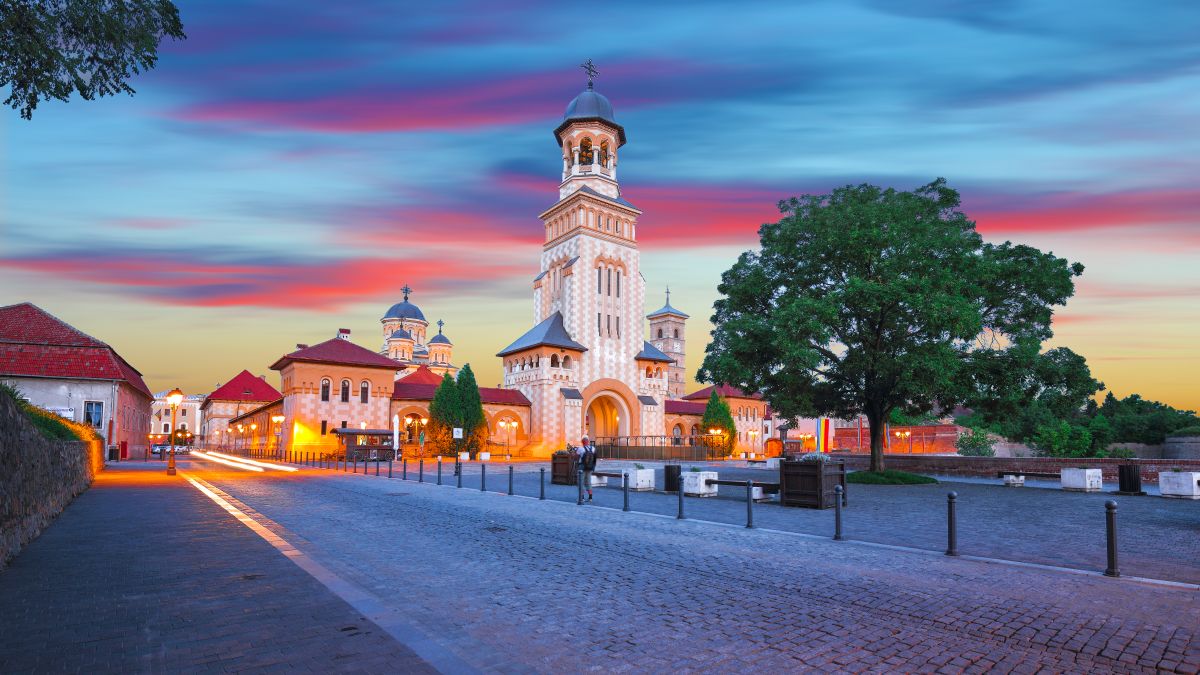
Once considered an unremarkable transit town, Alba Iulia has transformed completely since the renovation of the Alba Carolina Citadel.
This is the largest Vauban-style (star-shaped) fortress in Romania, and walking through its massive gates feels like stepping onto a movie set.
Also, it is here where modern Romania was born, following the grand meeting on December 1st, 1918 after which Transylvania joined the then-called Kingdom of Romania, together with other regions of the country.
Things to see: The Alba Carolina Citadel is the main attraction here, with its star-shaped fortress design.
There’s also a National Museum of the Union, which tells the story of modern Romania’s creation in 1918, as well as plenty of other small goodies scattered around the city’s central area.
When to Visit: December 1st is Romania’s National Day, and Alba Iulia holds the biggest celebrations in the country.
It’s a good time to visit for the celebration alone – but if you’re not a fan of cold weather, schedule your trip during the summer for pleasant weather or during the month of May when flowers are blooming and everything looks perfect.
9. Iași – Romania’s Underrated Large City
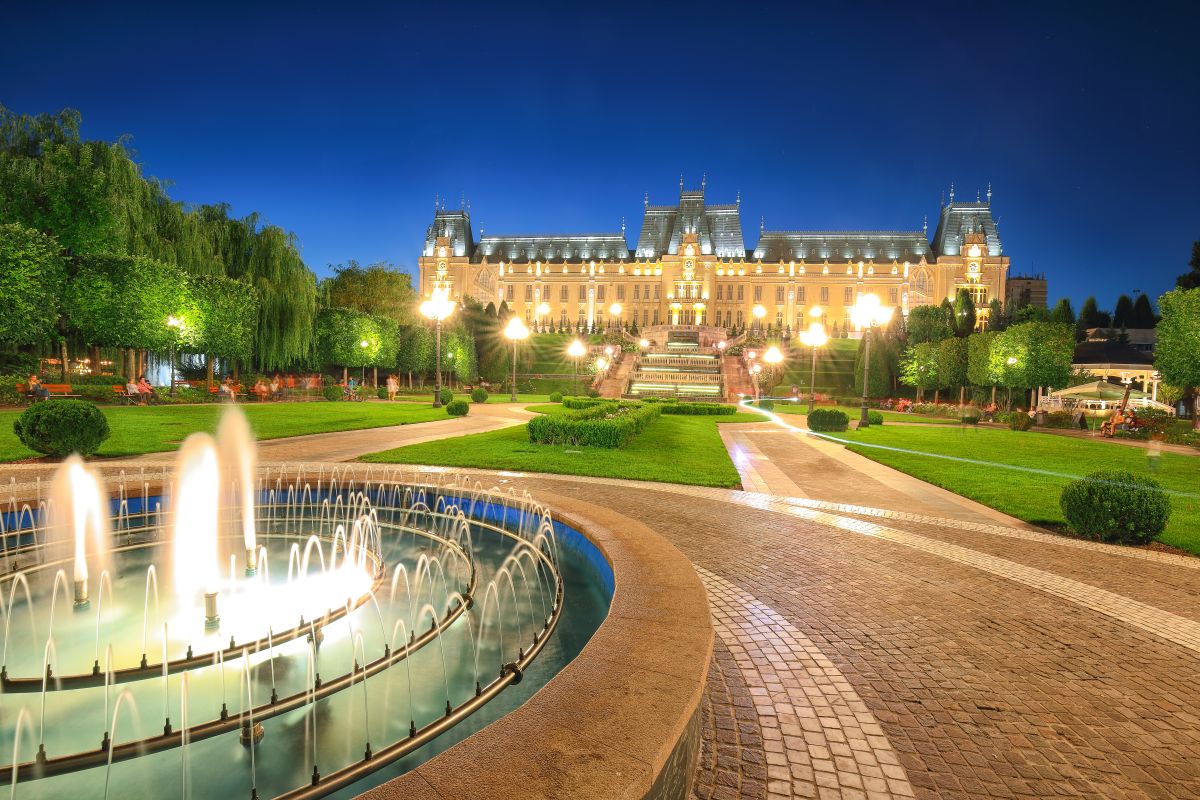
Iași doesn’t get the attention it deserves, even though it’s one of the country’s largest and most beautiful cities.
Filled with history and breathtaking views, it was the capital of Moldavia back in the 16th century, and also Romania’s capital between 1916-1918.
What to See: The Palace of Culture (pictured above) is the city’s crown jewel, with several museums inside. The Botanical Garden, one of the oldest in Romania, is also worth a stop, especially in spring when it’s in full bloom.
There’s a lot more, though – so read my article about the top things to do in Iasi to learn about them all.
Local Tip: Visit the Botanical Garden, one of the largest and oldest in Romania. If you are flying, the Iași airport has expanded a lot, making it a viable entry point into the eastern part of the country.
10. Oradea – Art Nouveau Charm
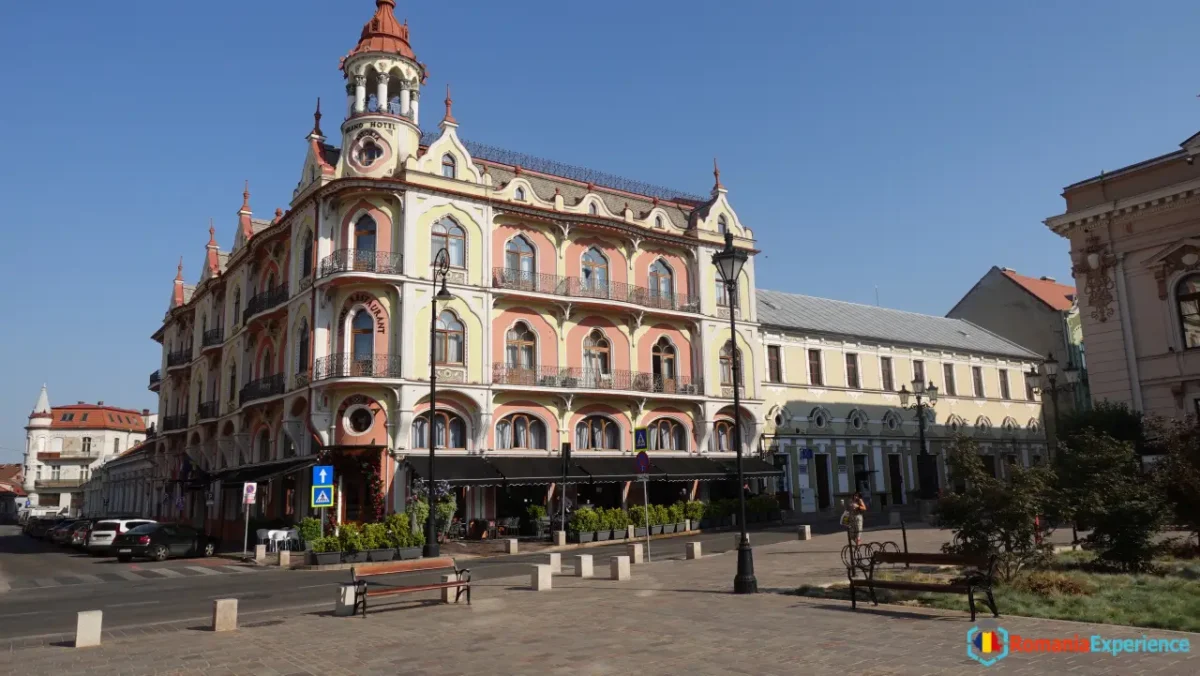
One of my all-time favorite cities in Romania, Oradea grows on a yearly basis, becoming more and more spectacular.
Known for its Art Nouveau buildings, Oradea is right on Romania’s border with Hungary and therefore offers a great cultural mix for travelers. It has its own Citadel, an amazing waterpark and a lot more to offer.
You can read more about living in Oradea in this article to see why I appreciate it so much.
Things to do: Start with the Union Square in the heart of Oradea, where you’ll find stunning buildings like the Black Eagle Palace, an Art Nouveau masterpiece. The Moon Church, which features a lunar mechanism that shows the phases of the moon, is also a unique attraction you won’t see elsewhere.
And this is just scratching the surface! For more amazing things to do in Oradea, check out my previous article here.
11. Craiova – Simple & Perfect
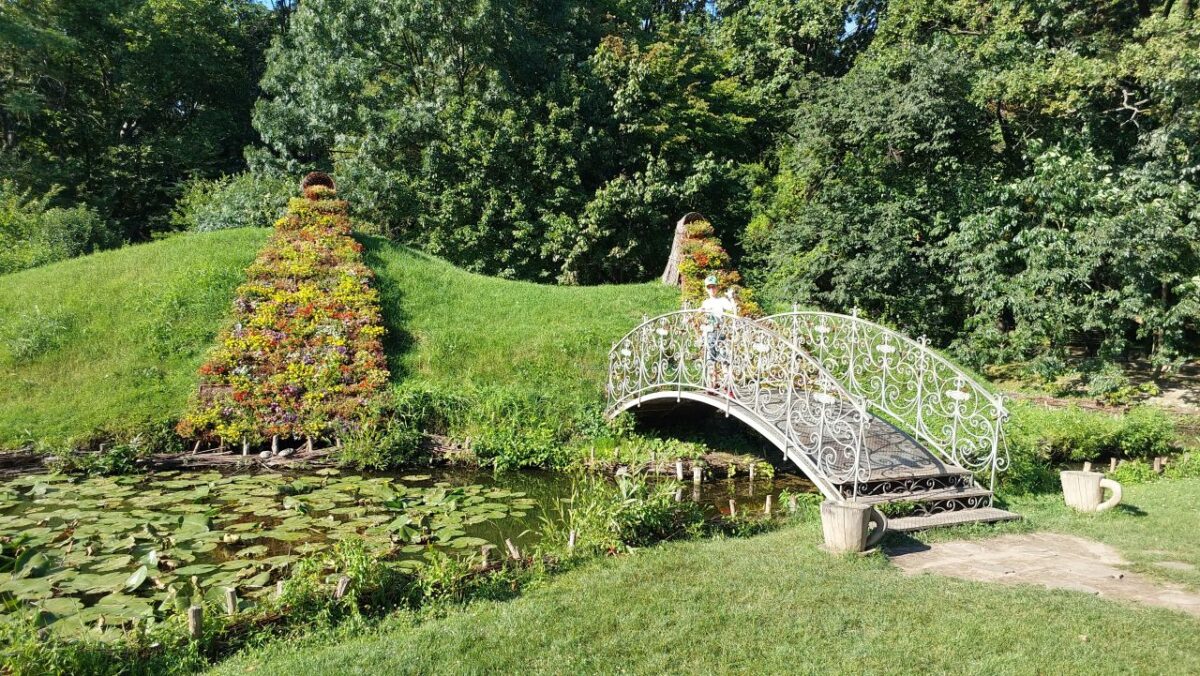
Here’s a bit of trivia nobody else tells you: I’m saying that Craiova is “Simple & Perfect” because it’s the place where a verb tense unique to the Romanian language is used.
Called “Perfectul Simplu” (Perfect Simple), this tense is used mostly in the Oltenia Region, of which Craiova is the unofficial capital.
Trivia apart, Craiova is a charming city that we loved during a recent visit. It’s also the surprising home of one of the best Christmas Markets in Romania (and, actually, in Europe) so, all in all, it doesn’t matter if you visit during the summer or the winter, as you will always have something nice to enjoy. Simple perfection!
Things to see: The Nicolae Romanescu Park is a must – it’s one of the largest and most picturesque urban parks in Eastern Europe, with a lake, old bridges, plus a small zoo.
Or you can stick to the Old Town area where the rest of the attractions are, including churches and museums and, of course, the best restaurants in Craiova.
12. Târgu Jiu – A City Sculpted by Brancusi
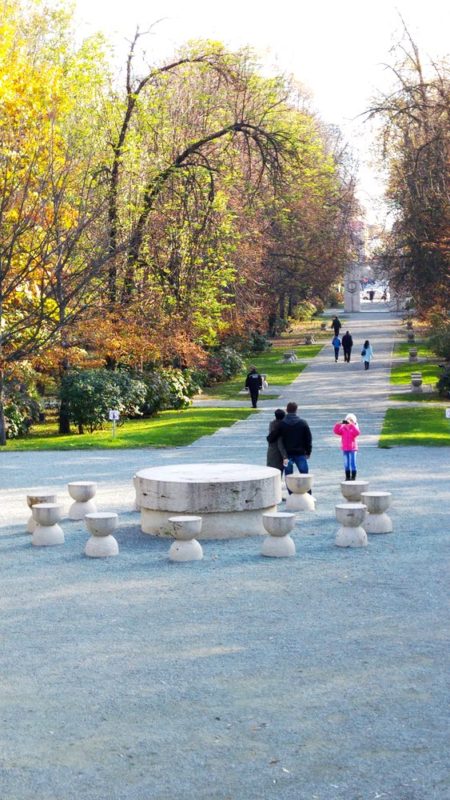
The city is most famous as the birthplace of Constantin Brâncuși, one of the most important sculptors of the 20th century. His works, which are showcased around the city, make Târgu Jiu an open-air museum of sorts and a perfect hidden gem to visit over the weekend.
You can read my previous article about our recent visit to Targu Jiu to find out more about the city and the main attractions in the area.
Insider tip: Târgu Jiu has a relaxed, almost meditative atmosphere. And even though a weekend (or even a full day) is enough to explore most of what it has to offer, it can be considered the open door to other important sights in Romania, like the best monasteries in the country and the natural beauty around it.
13. Deva – Small Town with Grand Views
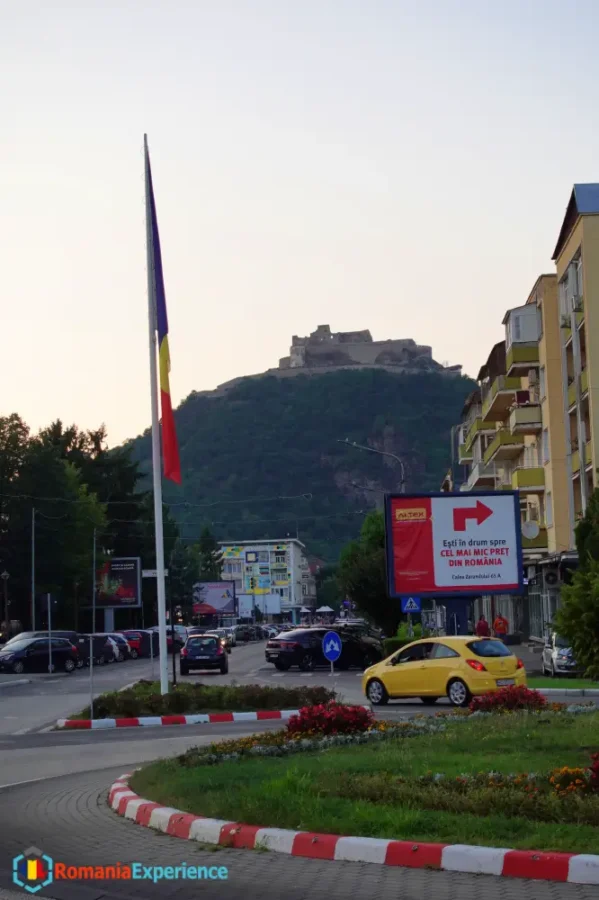
Deva offers one of the most striking views in Romania. The city sits at the foot of an extinct volcano cone, topped by the ruins of the Deva Fortress that offers amazing panoramic views over the city.
It’s also home to the Museum of Dacian and Roman Civilization, one of the most important in the country, but also close to Hunedoara where you can visit one of Romania’s best castles, the Corvin Castle.
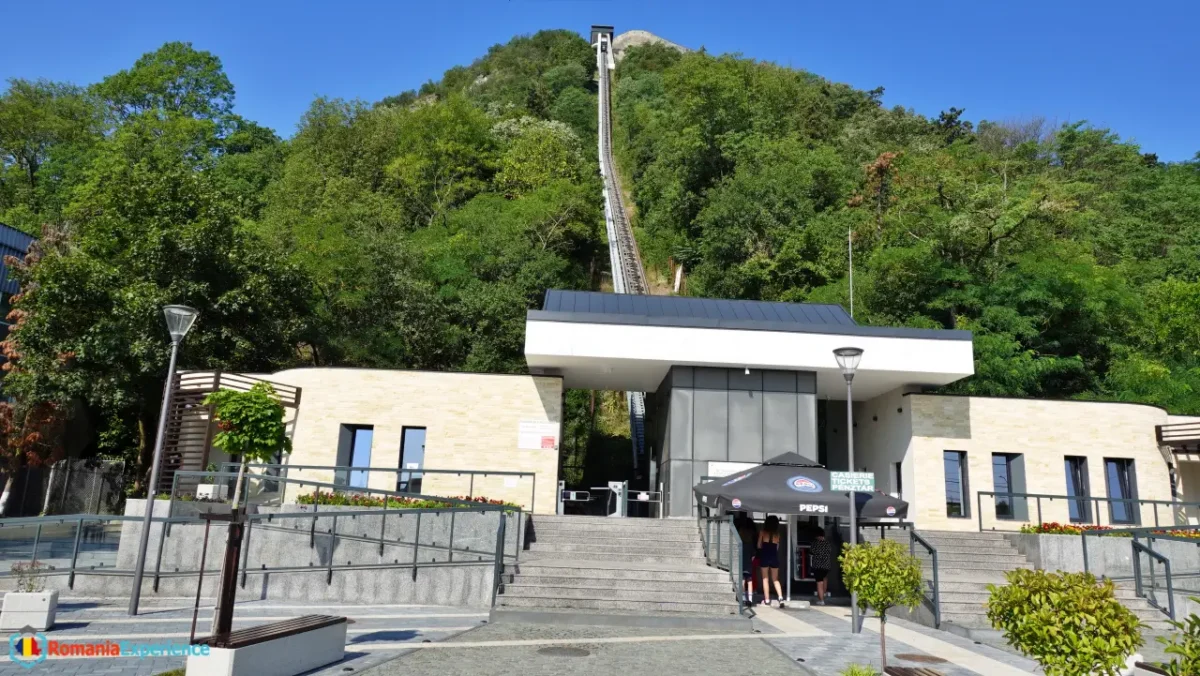
What to Do: The inclined lift (funicular) that takes you up to the fortress has been modernized and is fully operational again. Take it to the top for a panoramic view of the Mureș Valley. We took it during our latest trip there and it was really fun!
14. Sighișoara – Romania’s Medieval Town
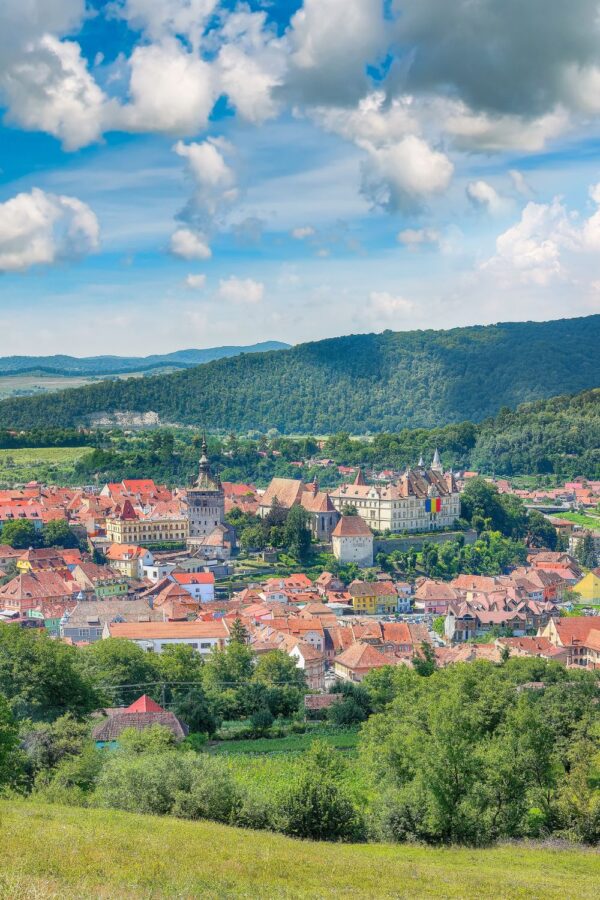
Sighișoara is not only one of Romania’s most magical destinations, but also a UNESCO World Heritage site.
This medieval town is also famously known as the birthplace of Vlad the Impaler, the historical figure who inspired Dracula and all the Romanian vampires that you might have heard about.
But even without the Dracula connection, Sighișoara is worth a visit for its medieval charm, cobbled streets and laid-back atmosphere. Bonus points if you visit during the Medieval Festival in Sighisoara, usually taking place in late July in the medieval fortress.
What to see: Start with the Clock Tower, which offers incredible views of the town. Wander through the narrow streets, and you’ll find the Scholar’s Stairs leading up to a 14th-century church, still standing. Check out the full list of things to do in Sighisoara here.
The Reality: It is small. You can see everything in a few hours.
15. Suceava – The Heart of Moldavia
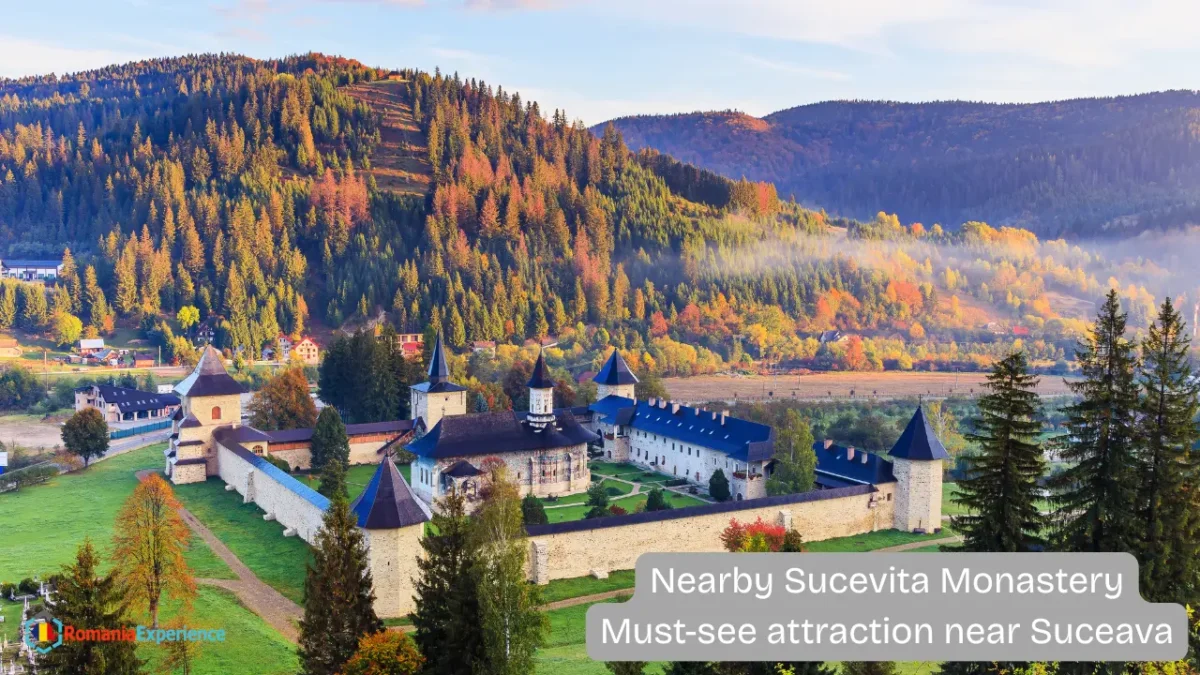
I am rounding out the list with a new entry this year, replacing Targu Mures. If you want to understand the spiritual heart of Romania, you have to come here. Suceava was the seat of the Moldavian kings for nearly 200 years.
Suceava is the base for visiting the Painted Monasteries of Bukovina (Voroneț, Humor, Sucevița). These are UNESCO sites famous for their exterior frescoes that have survived over the centuries.
The famous “Voroneț Blue” is a color that scientists are still trying to perfectly replicate. You cannot claim to have seen Romania without seeing these monasteries!
What to See: In the city itself, apart from the walkable central area, there’s one more important attraction – the Seat Fortress of Suceava. It has been excellently renovated with interactive exhibits. It’s large, imposing, and offers great views of the city.
Wrapping Up
Now you know Romania’s best, in a quick list that will surely help you choose the next amazing destination for a perfect Romanian holiday. From large, well-known cities to hidden gems, I’ve used my knowledge of the country to showcase its best. Enjoy!
Which of these cities is first on your list? Let me know in the comments below!

I am a journalist and local expert who has been documenting life in Romania since 2013. Based in Constanta (after living in Bucharest and Drobeta Turnu Severin), I provide up-to-date, on-the-ground advice for expats and travelers. My articles are based on real life experiences and plenty of research – from paying Romanian bills to exploring the wild “Rawmania” countryside.
Great to hear from you again! Yes, Romania has so many beautiful cities to offer. I love even very small towns in Romania, especially the ones built by the Saxons like Biertan. Maybe it’s not your area of expertise, but I think Romania has so much to offer in the arts and in literature. I just read a book by Zamfirescu called “Viata la Tara.” It was tough going, I had to look up just about every second word in my dictionary, but it was well worth the effort. Now I’m plowing through Ibraileanu’s “Adela” which I think Nabokov ripped off for his “Lolita.” Well, sorry to get off tangent. If you or your wife know of some Romanian literary gems or want to tell us about your favorite artists and writers, don’t hesitate! I have found a site which has downloadable Romanian eBooks that are free (they are so old, the copyrights have expired). Last comment back on topic, I thoroughly enjoy walking the streets of Romania through Google Earth Streetview. Unlike Germany, which seems very paranoid, Romania has give Google free rein to put all Romanian cities and towns in Streetview. I highly recommend it.
Hello Stuart, I too believe that smaller towns deserve to be visited as there is a lot of hidden charm here and there. I have never been (virtually or otherwise) to Biertan, but I will surely check it out!
Regarding the Romanian literature, I could say that I am not a huge fan of it as I am not a huge fan of classical literature. However, I can recommend – based on what friends and family consider great Romanian literature and what you enjoyed, the following: Morometii by Marin Preda, Maitrey – Mircea Eliade, Descult – Zaharia Stancu and Camil Petrescu’s books.
PS: I also love to explore cities with Streetview. I consider it one of the best things technology can offer.
Keep telling us more. Your insight is invaluable. I will only be in Bucharest and Timisoara this spring but this is good information for future trips and virtual exploration!!
That’s a very good start, Tim! I really hope you will enjoy your stay in Romania!
I already knew l would like Bucharest and Brasov, but now l have to add Cluj and Sibiu to it. They look great from the images. There are no flights from Seville to Romania, but l recently discovered that Wizz Air flies there from Malaga, so it has come back on my radar, even though it looks like we are filled up once again till October, but we will get there at some point.. :-). Great post.
I’m happy to hear that I managed to add some more cities to your list and I can only hope that you will enjoy them if you manage to get here. I personally believe that the best time to visit Romania is during the summer (if we don’t have the green grass and trees, then all the grey concrete buildings make everything look more sad)… but then again there are surely better places to visit during the summer :))
I know that there are no direct planes to Seville, but Malaga is indeed an option and there are other cities in Spain that offer flights to Bucharest, so you could surely find something!
Such gorgeous buildings, C!! Much more breathtaking than the modern buildings of today. Thank you for sharing. 🙂
There are a few left, indeed. Hopefully the new ones they build will be as impressive for the people in 100 years from now as these old ones are for us today.
Hi Calin,
Thank you very, very much for your website. My husband and I found your site because we’re thinking of moving to Romania. We’ve now read every article you’ve written here. Your site is by far the most useful resource that exists for understanding life in Romania as a resident. Realistic, honest, broad in focus and thorough in depth… really, this site is a goldmine of information. Thank you.
We’d like to ask you – and your readers – for a suggestion of a city/town. We plan to live in Romania for 4 months, May through September. I feel sheepish to ask for personal suggestions of a great location, particularly as your site has wonderful pages about well-known cities as well as lesser known towns, but we’ve spent a lot of time researching so far and haven’t managed to find a good place on our own.
What we’d like:
1. Warm weather from June to September. For us, that means daytime highs above 25 (C) and nighttime lows no lower than 14. That eliminates some great mountain places like Piatra Neamt, for example.
2. A really pretty place. “Eye candy”, as you write on your site :). Could be great architecture: cobblestone streets, medieval buildings. Maybe amazing views of a mountain, river, or forest. Or in the best of all worlds, architecture plus nature!
3. Walkable. Easy to live life without cars or public transportation. Pleasant atmosphere, not having to walk along large highways to go to the store, etc.
4. Possibility to actually live in a pretty part of the city. What I mean is this: We’ve found several Romanian cities which have a pretty, historical area. But in the cities we looked at, it seems that the center area is very small, and the rest of the city isn’t so pretty. Unfortunately, most furnished apartments/houses for rent we’ve found in these cities aren’t in the historical center; instead, they’re in the non-descript, characterless neighbourhoods.
We’re flexible on everything else. Any size: small towns up to cities. Any location in the country.
We don’t care about restaurants, nightlife, museums.
Our budget for rent and housing expenses is 700 eur/month.
About us: we’re an older couple, very active, very healthy.
Regarding language, we’ve been studying Romanian for several months. We speak several other Romance languages fluently, so after the initial hurdle at Romanian’s (many!) dissimilarities, it’s not been so bad. We won’t be fluent when we arrive, but will speak more than enough for communication. And hopefully when we leave, we’ll speak passably!
Any ideas?
And finally, thank you again for such an informative site. It truly is the best resource that exists about living in Romania.
– Angela
Hello Angela,
Thank you for your message. I might not have the perfect answer for you, but I will share my two cents here and hopefully you’ll be able to make a decision.
Most places in Romania are hot during June – September, but the climate is changing and we had some freak cold streaks and wind during the month of June and extremely hot days in September (when it’s usually colder and rainier). Of course, the places near the mountains are colder, but I still believe that most cities in Romania would meet your temperature criteria.
You are also correct about the cities. Most of them have charming areas around the city center and not much else in the rest of the city. Your best bet, in my opinion, is to find a larger city and stay as close to the center as possible. That would make it walkable (as you’ll have no reason to visit the streets filled with nothing but apartment buildings) and charming. But cobblestone streets… these are getting more and more difficult to be found here 🙂
I would suggest you to look at some cities and see which one meets most of your demands: Oradea would be probably closest to what you’re looking for (look for the Olosig area), Cluj Napoca, Iasi, Sighisoara (probably too small for 4 months) or maybe even Abla Iulia.
The problem with Romania is that the architecture is not its greatest asset and as you said, the architectural beauty and heart of the city is usually in the center, with little else happening in other areas.
You could also try AirBnb to find accommodation – that’s usually a bit more expensive than regular listings, but in better condition and areas and on AirBnbs you have all fees included (rent and expenses for water, electricty etc). You could also consider spending two months in a city and two in another to increase the chances of finding something you like.
If our readers have some recommendations of more off the beaten path cities, I’m sure they will share them with you but I honestly don’t think that we have a city to tick all your boxes.
Hi Calin,
Thank you for your kind response. It was very helpful for us.
– Thank you for your suggestion of the Olosig area of Oradea. We had already explored Oradea after reading your informative November, 2018 article about the city, but we hadn’t examined the Olosig neighbourhood in detail. After (virtually) exploring that area more, it seems quite pleasant. Very Hungarian. We still find that the nicer areas aren’t so expansive. But your advice on staying close to the center is quite good: if we could get lucky to find accommodation in exactly the right location, it seems we could build a life within a charming bubble of this city.
– Your message that most places should meet our temperature criteria made me think I was missing something and spurred me to investigate more about the weather of Piatra Neamt. I haven’t been able to find any official Romanian data source about weather to verify the accuracy of these reports. So, as basic as it is, we’d be very appreciative if you or anyone might have information about how exactly is the weather generally in Piatra Neamt from May to September.
– Alba Iulia. Very pretty renovated area in the center, but we had categorized it as a city that’d be nice to visit but hard to live in. We couldn’t find any charming neighbourhoods for living. All the neighbourhoods with apartments/houses which we found in our (virtual) search are fairly non-descript areas that look difficult for walkability. The virtual street views we’re using might be dated, so at least what we see shows that the reform is limited to the historical centre. Would you have any suggestions on areas for living in the city which might be more charming?
– We’ve used Airbnb in several other countries and had good experiences. In Romania, there isn’t so much offered on Airbnb outside the big cities compared to the massive supply in Western European cities (an issue which is increasingly controversial in many places, as you know). But browsing the Romanian listings on Airbnb has definitely been useful for us to get a feeling for what is available and where, at least in the higher-end of the tourist-oriented market.
– We’re ok with small places. We’re academics, so we have our own projects to keep us busy during the summer, which is why we’d also be quite content with any small place that is just sweet and charming, even if it is doesn’t offer much of restaurants or cultural events. Any smaller cities/towns occur to you or any of your readers here, let’s say 15-40,000, that are charming?
Hella Angela,
The July highs of 16 degrees Celsius are surely wrong for Piatra Neamt. I think that it’s warmer that that even in the higher-placed cities like Brasov. I found this in Romanian for yearly averages: https://www.accuweather.com/ro/ro/piatra-neamt/274800/july-weather/274800 but you can also check out https://www.accuweather.com/ro/ro/piatra-neamt/274800/july-weather/274800 where they show you historic averages for the upcoming months. So highs of 26 degrees and lows of 15 would be more accurate for July, with lower temperatures (but only on rare, exceptional occasions around 16 for your dates).
Unfortunately, though, I don’t think you can find the charm you are looking for in a smaller city and just in limited areas of the larger ones. This is one of the reasons why I always said that Hungary looks much better. 🙂 Hopefully fellow readers will prove me wrong, although they are mostly people looking to visit and not those with a lot of experience actually living here…
However, I will love to hear what’s your decision and, once this is all over, how it all was for you.
I have been visiting Romania for the past 20 years. Each time I return, I fall in love with either a new region or city. In 2018 it was the area between Sibiu and Brasov. In 2019 it was Bucharest.
In 2003 I lived in Cluj for a year and loved it. This past year I spent 10 days there, and while I loved seeing old friends, I was overwhelmed with the traffic and overcrowding.
My most visited region is Maramures, where I lived for a year with a peasant family in 1999. My host family welcomes me with open arms and my favorite homecooked foods.
I will keep returning to Romania, as there is no shortage of what one can see, do, experience, and learn. Not to mention, meeting some of the warmest, intelligent, and robust people.
I was set to return this coming October, though that is on hold due to the Corona Pandemic.
I am happy to hear that you had such a great time in Romania and that you’re always happy to return. Traffic is becoming a problem in most cities these days but hopefully the authorities will come up with some measures to prevent it from ruining our experience.
I have been to all of these cities except for Piatra Neamt. I spent almost a month in Brasov. Indeed, my favorite city in all of Romania. I was mostly there because I was staying in Miklosvar (Miclosoara) which is not far from there. I love being in the heart of Transylvanian region with all the wonderful fresh air and mountains. But I do love Sibiu as well. There is a restaurant right before you get to old down, across from the giant hotel there, that is an old wine cellar. I can’t remember the name, but for sure had the BEST cream of mushroom soup I’ve ever had. No matter what country I’ve been to. I loved it so much, I went to this place four times in as many days just for this soup!
My least favorite was Cluj. I think it’s because that the central area doesn’t have a central old town the way Sibiu and Brasov do. I did like the fact that the taxi cabs were cheaper than Bucharest however.
Hopefully I will be able to move to the Brasov area when I retire. Even though it is more expensive there since it is a tourist town, I would be happy outside the city like Ate Mare, or Barolt or even Miclosoara. Brasov is close enough to drive back and forth. And with the American dollar, it would still be cheaper than living in the states.
Brian
Happy to hear that you had a pleasant experience in most of the cities. Cluj is now very expensive – sometimes considered more expensive than Bucharest (rental prices at least). Brasov is indeed a good destination. Sooner rather than later they will also complete the airport there, so another bonus.
Cluj-Napoca is expensive now? Well, I have read reports that it is now considered one of the top cities in the country. It’s been 10 years since I was last there and it was MUCH cheaper than Bucharest back then. And the streets were less chaotic. So that was a big plus. But coming from a tourist point of view, I found less activities to do there compared to Sibiu and Brasov.
Yes, Cluj Napoca has become the hub of the IT companies in the country (still behind Bucharest, I would say), which has driven prices insanely high, especially for apartments and houses. It has grown a lot in the past 10 years – even the Old Town area has grown a bit and it’s mostly for pedestrians, with shops and restaurants around – but still not comparable with Bucharest or Timisoara (in my opinion).
For long stays like 4 months as a Romanian I would choose Brasov. Being a big city in romanian standards you can have a lot as comfort.
1. First you have Brasov old city and new city.
2. Then you have Brasov neighborhood Poiana Brasov in the mountain, a touristic neighborhood inside the city. Lots of hotels and restaurants there including ski resorts. You can go by walking on a mountain ROAD from Brasov to Poiana Brasov through forest for 4 hours. Forest means no restaurants and no taxi. Also you can take bus for 30 min both ways. In Winter you can take bus up and sledding back for 30 min. In summer you can go up by walking in a forest for 4 hours and down by bus is super nice.
3. Then you have small cities around like 30 000 people Zarnesti, Rasnov, Codlea
4. Then you have Fagaras 1 hour by train. It is a city with around 30 000 people. It has a castle in the center of the city and a nice park. Very nice movie theater. Movies are spoken in english with romanian caption.
5. Near Fagaras you have 2 villages safe. Sambata de sus monastery complex . Very good air close to mountain. You probably can live in the monastery for several days or one week. Very quiet . Then Dejani village . It has its own monastery there. I had an aunt in this village and stayed there . Super beautiful but the super cool thing was that I ate from her own produces. Same day eggs. A very good very fat milk from black cows called bivoli taken the same day. 100% organic food. Domestic animals around .
6. Then by train you have access to beautiful touristic mountain cities Busteni, Sinaia, Predeal. Sinaia is the city where former royal family used to stay. Super beautiful.
7. Then you have Bucharest 4 hours by train.
8. Then you can go to a church or a touristic company and book a 1 week Moldova monasteries tour.
9. You can go to a touristic company for 1 week tour of Greece and for men you can go to Athos.
10. Some touristic companies offer 1 week Jerusalem tour in Israel